How to Test an Ergonomic Chair: Evaluate for Team Comfort & Value
A practical, hands-on evaluation is necessary to properly test an ergonomic chair. This involves checking four key areas: the seat pan must allow a two-finger gap behind the knees, the lumbar support should cradle the lower back's curve, the armrests need to drop low enough to clear a standard desk, and the recline tension must be adjustable. Selecting the right ergonomic office chairs is a critical investment that moves beyond simple aesthetics to directly impact your team's comfort, focus, and long-term musculoskeletal health.
Core Ergonomic Principles for Team Well-being
An ergonomic chair is a tool designed to work in harmony with the human body. Its primary purpose is to promote a neutral posture where joints are naturally aligned, which minimises stress on the muscles, spine, and nervous system. This support is not about sitting in a rigid, upright position, but about dynamic support that moves with the user.
Proper support reduces fatigue by taking the load off spinal discs and back muscles. It also encourages healthy circulation and prevents the numbness that comes from prolonged pressure on the underside of the thighs. A well-designed chair is a preventative measure against common office ailments like lower back pain and repetitive strain injury (RSI).
Key Adjustments for Personalised Support
No two employees are built the same, which makes adjustability the cornerstone of a true ergonomic chair. A single "one-size-fits-all" model rarely works for an entire team. Familiarising yourself with these key adjustments is the first step in a successful evaluation of any product in our online office chair shop.
Seat Depth and Height for Optimal Posture
Seat height is the foundation of good posture. The goal is to have your feet resting flat on the floor with your thighs roughly parallel to the ground. A simple pneumatic lever should make this adjustment smooth and effortless, allowing even the shortest and tallest team members to find their ideal level.
Seat depth adjustment, often a sliding mechanism, is equally critical. When seated with your back against the backrest, you should be able to fit two to three fingers between the edge of the seat and the back of your knees. This gap prevents the seat edge from cutting off circulation to the lower legs.
Lumbar Support and Backrest Recline
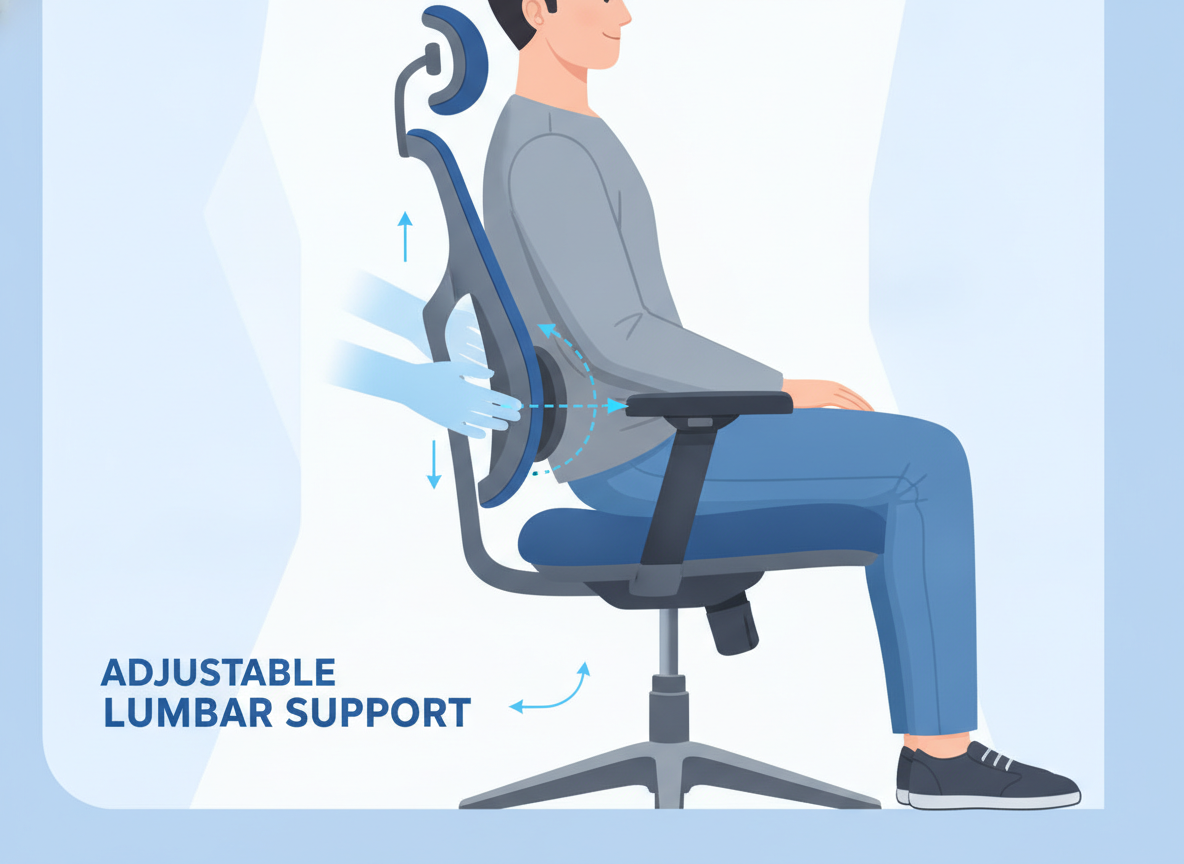
The lumbar support should feel like a gentle cradle for the natural inward curve of your lower back. During testing, ensure the support is height-adjustable so it can be positioned precisely in the small of the back. It should provide support without aggressively pushing the user forward. Well-designed orthopedic chairs often feature enhanced lumbar customisation.
A good recline mechanism allows for dynamic movement, which is vital for spinal health. Look for a chair with adjustable tension. This feature allows each user to set the resistance so they can lean back with ease but still feel supported, rather than feeling like the chair is about to tip over.
Armrest Functionality and Headrest Options
Armrests should take the weight off the shoulders and neck, preventing users from hunching over a keyboard. Look for at least height adjustability, allowing users to keep their forearms parallel to the desk. A key practical test is to see if the armrests can be lowered enough for the chair to slide neatly under a standard 75cm desk, keeping the workspace tidy.
A headrest provides valuable support for the head and neck, especially during recline. This can reduce strain for employees who spend a lot of time on calls or in deep thought, leaning back from their screen.
A Practical Checklist for Hands-On Chair Testing
When a sample chair arrives, do not just look at it; use it. A thorough, 30-minute hands-on test is more valuable than any brochure. This checklist provides a structured approach to your evaluation.
The Initial Sit Test: Comfort and First Impressions
Your first impression matters. As you sit, assess the seat cushion. An overly soft cushion offers no support, while a rock-hard one is uncomfortable. The ideal seat pan distributes weight evenly without creating pressure points.
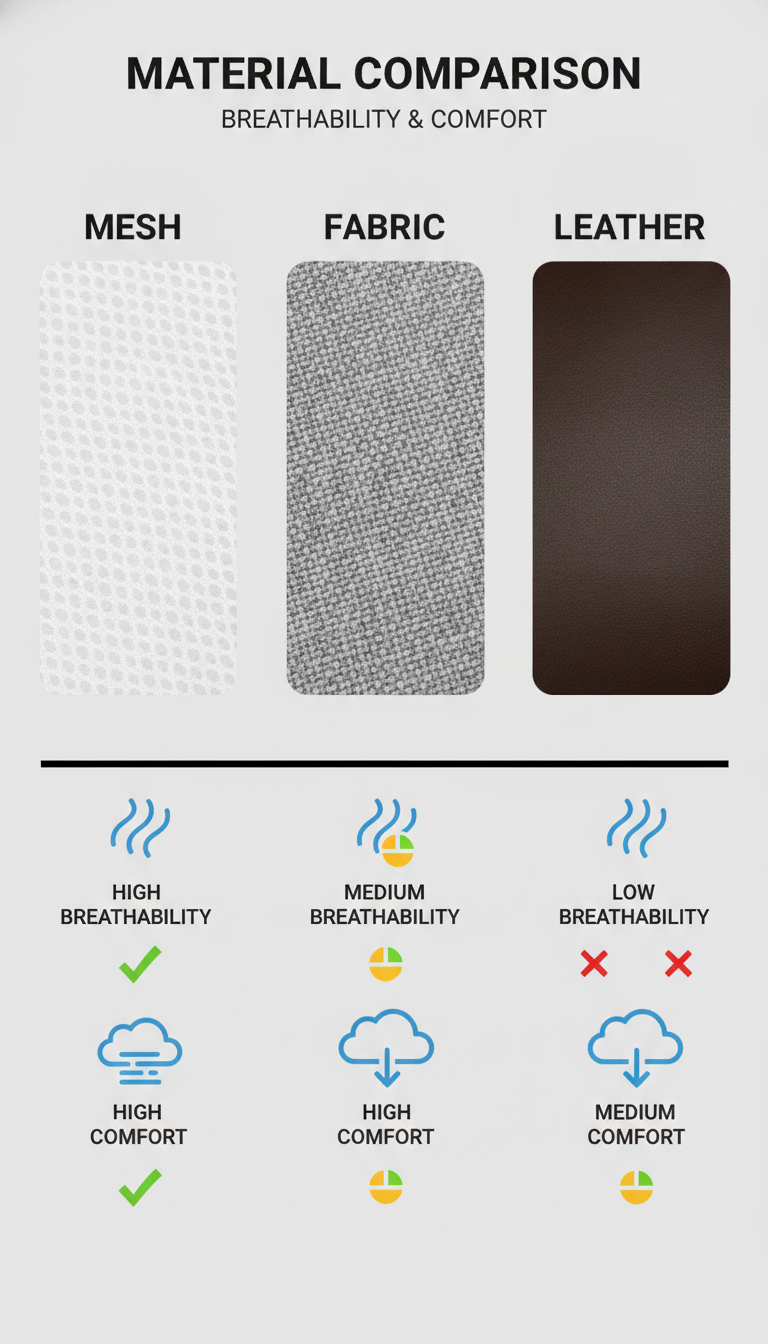
Feel the upholstery. A mesh backrest should provide firm but flexible support that allows air to circulate, which is a key benefit in warm Kenyan offices. If it is fabric, it should feel durable and breathable. The initial feel sets the tone for long-term comfort.
Mechanism and Usability Test
Go through every lever and knob. The controls should be intuitive to find and use while seated. They should feel solid and responsive, not flimsy or stiff.
- Seat Height Lever: Does the chair raise and lower smoothly?
- Seat Depth Slider: Can you adjust it easily while sitting?
- Lumbar Support: Does it slide or pump into a comfortable position?
- Recline Tension Knob: Can you feel a noticeable difference as you turn it?
- Armrest Buttons: Do they click securely into place at different heights?
Work Simulation Test
Spend at least 15 minutes mimicking a typical workday. Type an email, reach for a document, and swivel to speak to a colleague. Lean back to take a phone call. The chair should support these movements fluidly, not restrict them.
Pay attention to how the chair responds. The backrest should support you as you recline and return upright. The castors should roll smoothly on your office flooring without catching or sticking. This simulation reveals how the chair will perform under real-world conditions.
Material Quality, Durability, and Maintenance
An office chair is a high-use item, so its construction and materials are paramount for longevity and return on investment. A cheap chair that needs replacing in two years is not a bargain.
Upholstery Options: Fabric, Mesh, and Leather
Each material offers distinct advantages and requires different care. Your choice will depend on your office environment, aesthetic, and maintenance capacity.
| Material | Pros | Cons | Best For |
|---|---|---|---|
| Mesh | Highly breathable (cool), flexible support, modern look. | Can be abrasive on some clothing; lower-end mesh can sag. | Warm climates, open-plan offices, long hours of sitting. |
| Fabric | Wide range of colours, comfortable feel, durable. | Can trap heat, susceptible to stains, requires cleaning. | General office use, call centres, branded environments. |
| Leather | Premium look and feel, easy to wipe clean, very durable. | Less breathable (can be warm), higher cost, can crack if not maintained. | Executive offices, boardrooms, client-facing areas. |
Frame Construction and Component Quality
Look beyond the upholstery. Inspect the chair's base. A sturdy polished aluminium base offers superior durability and a more premium finish than a standard nylon one. Check the quality of the castors; they should be appropriate for your flooring, such as hard castors for carpet or soft castors for hard floors.
Examine the welds on the frame and the overall fit and finish. A well-made chair has tight tolerances with no rattling or squeaking during movement. These small details are often indicators of the chair's overall manufacturing quality and lifespan.
Fit and Customisation for Diverse Body Types
Your team is composed of individuals with different heights, weights, and body shapes. A successful ergonomic chair programme accommodates this diversity to ensure everyone is supported.
Height and Weight Accommodation
Look for chairs with a broad adjustment range. A good gas lift should accommodate users from the 5th to the 95th percentile in height. For heavier staff, ensure the chair is rated for their weight. Standard chairs are often rated for up to 110kg, but heavy-duty models are available that support 150kg or more.
Features like a seat depth slider are a necessity for teams with varying leg lengths. This single feature can make a chair comfortable for someone who is 5'2" as well as someone who is 6'4".
Support for Specific Postural Needs
Some team members may have pre-existing conditions like sciatica or neck pain. For these individuals, look for chairs with enhanced or specialised features. This could include adjustable sacral support, highly articulated '4D' armrests, or optional neck rests.
Engaging with your team about their needs before procurement can lead to a much better outcome. It shows you value their well-being and ensures the investment is targeted effectively.
Warranty, After-Sales Support, and Supplier Reliability
The purchase of the chair is just the beginning of the relationship with the supplier. The process for handling a failed gas lift or a broken castor is just as important as the initial quality.
A reputable supplier will offer a comprehensive warranty, typically 5-10 years on structural components and 2-5 years on mechanisms and upholstery. Clarify what the warranty covers and the process for making a claim. A long warranty is a strong signal of the manufacturer's confidence in their product.
Ask about after-sales support. A reliable partner will provide support to ensure your investment continues to perform for years to come.
Budget and Justification for Ergonomic Seating
Quality ergonomic chairs represent a significant capital outlay. Justifying this expense requires looking beyond the initial price tag to focus on the long-term value and return on investment.
Return on Investment: Health and Productivity
The true cost of a bad chair is measured in lost productivity and absenteeism. An employee struggling with back pain is not a focused or efficient employee. Providing proper seating is a direct investment in your team's ability to concentrate and perform their best work.
Comfortable, supported employees are generally happier and more engaged. This contributes to a positive company culture and can improve staff retention, reducing the high costs associated with recruitment and training.
Cost Savings from Reduced Absenteeism
Musculoskeletal disorders are a leading cause of workplace absenteeism. By providing equipment that prevents these injuries, you can significantly reduce sick days across the company. Over time, these savings in lost work hours can far outweigh the initial cost of the chairs.
For companies with private health insurance schemes, a proactive approach to ergonomics can also lead to fewer claims related to back, neck, and shoulder pain. This can help keep insurance premiums manageable in the long term.
Local Sourcing in Kenya: Spare Parts and Repair Services
When procuring chairs for a team in Kenya, the availability of local support is a crucial factor that should heavily influence your decision. An imported chair with no local agent becomes a disposable item the moment a small part fails.
The Value of Local Components and Expertise
The most common failure points on an office chair are the gas lift, the castors, and the armrest pads. A good local supplier will stock common office chair spare parts. This means a broken chair can be repaired and returned to service quickly, rather than being out of commission while waiting for a part from overseas.
Confirm with potential suppliers what parts they hold in stock locally. A supplier who can guarantee the availability of key components provides a much more sustainable and cost-effective solution for your business.
Supplier Capability for On-Site Repairs
Ask potential suppliers about their service capabilities. An established vendor should have trained technicians who can come to your office to perform repairs. This on-site service is invaluable as it minimises disruption and downtime for your team. Access to reliable chair repair services protects your investment for its full lifespan.
Team Onboarding for New Ergonomic Chairs
Once you have selected and purchased the ideal chairs, the final step is ensuring your team knows how to use them correctly. A powerful ergonomic tool is only effective if the user understands its adjustments. A brief onboarding session can make a significant difference.
Schedule a short group training or provide a simple, visual guide showing how to adjust the key features like seat height, depth, lumbar support, and armrests. Encourage each employee to take five minutes to customise the chair to their body. This small investment in training ensures you get the maximum health and productivity benefits from your new furniture. You can explore our full range of product categories to find the perfect fit for your team.
Need Office Chairs?
Browse our collection of office chairs at competitive prices. Fast delivery anywhere in Kenya.