Office Chair with Headrest: The Truth for Computer Work
The truth about an office chair with headrest is that it provides its main ergonomic value when you recline. It is not designed for use during active, forward-leaning computer work.
Understanding this distinction is crucial for any professional in Kenya looking to invest in genuine, long-term comfort without overspending on a feature that may go unused.
Our collection of ergonomic office chairs provides options suitable for every work style.
Headrest Functionality and Common Misconceptions
Many office workers in Kenya assume a headrest is a mandatory feature for a truly "ergonomic" chair.
This common belief often leads to misguided purchasing decisions and unnecessary expenditure on features that do not match their work habits.
The True Purpose of an Office Chair Headrest
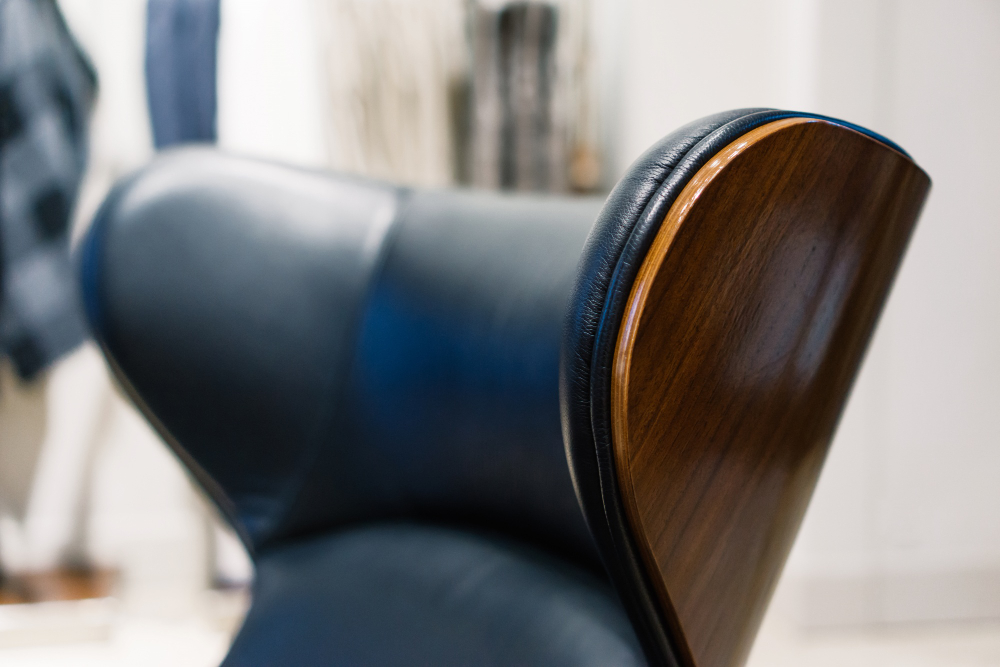
An office chair headrest is not intended to be in contact with your head while you are actively typing or using a mouse. Its primary function is to support your head and neck when you shift into a reclined posture for a brief rest.
Consider it a place to rest during moments of contemplation, while on a long phone call, or when reviewing documents away from your immediate keyboard. It takes the load off your neck muscles, allowing them to relax completely.
Dispelling Headrest Myths for Active Computer Work
The most persistent myth is that a headrest promotes good posture during typing. In reality, a healthy, upright typing posture involves your head balancing naturally atop your spine without any external support. A properly designed chair facilitates this natural alignment.
Forcing your head back to touch a headrest while typing can introduce awkward neck angles and create strain. A well-designed ergonomic chair encourages this natural balance, making the headrest redundant for focused, task-oriented work.
Ergonomic Benefits of Headrests for Different Working Postures
The value of a headrest is entirely dependent on your daily workflow and the variety of postures you adopt throughout the day. It is a feature that serves specific activities rather than all-day support.
Reclined Support for Rest and Phone Calls
A headrest is a valuable tool for managers, consultants, or anyone who spends significant time on calls or in deep thought. Leaning back and allowing the headrest to cradle your neck and head reduces muscular tension significantly.
This passive, supportive posture can alleviate fatigue. It serves as a valuable tool for short moments of recovery during a demanding workday, providing a restorative break without you having to leave your desk.
Limited Utility for Upright Typing Positions
If you are a software developer, writer, or data entry clerk who spends nearly all your time leaning slightly forward or sitting upright, a headrest offers virtually no ergonomic benefit. Your head will likely never make contact with it during work hours.
In this scenario, the headrest is an aesthetic addition. The money allocated to it could be better invested in superior lumbar support, 4D armrests, or more advanced task chairs designed for focused work.
Critical Adjustability Features Beyond the Headrest
True ergonomic performance comes from a chair's core adjustability, which supports your body during active work, not just during periods of rest. These features are fundamental to preventing strain and discomfort.
Mastering Lumbar Support and Backrest Contours
An adjustable lumbar support is a non-negotiable feature for any serious office chair. It should fit perfectly into the curve of your lower back, preventing you from slumping and bearing the load that leads to chronic back pain. Investing in quality orthopedic chairs can be a crucial step for long-term spinal health.
You should feel the support actively. It is a gentle but firm presence that encourages your spine to maintain its natural 'S' shape throughout the workday.
Optimizing Armrests, Seat Depth, and Height
Properly adjusted armrests support your forearms, which takes the strain off your shoulders and neck. Your elbows should rest at a comfortable 90-degree angle, level with your desk.
Seat depth adjustment ensures you can sit with your back fully against the backrest while maintaining a gap of two to three fingers between the edge of the seat and the back of your knees. This position promotes healthy blood circulation to your lower legs.
Cost-Benefit Analysis: When to Invest in a Chair with a Headrest
Making a smart financial decision requires weighing the cost of a headrest against its actual, practical value for your specific job role and daily habits.
Is a Headrest a Necessity or a Luxury for Your Workflow?
You should assess your daily habits honestly. A headrest is a worthwhile ergonomic investment if you frequently lean back to think, read, or talk on the phone.
It is a luxury you can comfortably skip if you are constantly engaged with your keyboard in an upright posture.
Evaluating Price Versus Ergonomic Value
A headrest can add a significant amount to the total cost of a chair. The table below illustrates how to think about this investment based on your role.
| Feature / Role | Chair A (No Headrest) | Chair B (With Headrest) |
|---|---|---|
| Primary Workflow | Intensive, forward-focused tasks | Mixed tasks; active work and reclining |
| Best For User Type | Coders, Writers, Graphic Designers | Managers, Executives, Call Centre Staff |
| Typical Price Increase | Base Price | + 15-25% over Base Price |
| Ergonomic Justification | High (Investment focused on core support) | High (Only if user reclines frequently) |
Matching Chair Specifications to Job Roles and User Preferences
The ideal chair is not a one-size-fits-all solution. It must be tailored to the demands of the job and the physical needs of the user for optimal comfort and productivity.
Selecting Chairs for Different Professional Needs
A designer who needs to lean in close to a tablet requires excellent forward-tilt functionality and highly adjustable armrests.
A manager who hosts long video calls benefits more from a high backrest and a supportive headrest, often found in executive office chairs, for those moments between speaking.
Considering Individual Body Types and Comfort Priorities
Taller individuals may need chairs with greater seat depth and height ranges, such as those in our high back chairs selection. Your personal preference for fabric versus mesh, or firm versus soft cushioning, also plays a huge role in your day-to-day comfort and satisfaction.
Modern Seating Trends in Kenya: Why Active Posture is Prioritised
The modern workplace, especially in Kenya's growing tech hubs, is moving away from rigid, static postures and toward more dynamic seating solutions.
The Rise of Movement-Oriented Chairs
Newer ergonomic designs encourage "active sitting," where the chair moves with you and promotes subtle shifts in posture throughout the day. These chairs often feature advanced tilt mechanisms and flexible backrests but frequently omit a headrest, which can restrict natural movement.
Kenyan Tech Firms and Co-working Spaces Embrace Active Postures
In Nairobi's co-working spaces and tech firms, you will see a growing preference for chairs that support dynamism.
The focus is on core strength and spinal health, which are better served by excellent lumbar support and responsive mechanisms than by a static headrest.
Choosing the Best Office Chair for Computer Work in Nairobi
When shopping in the local market, you should keep practical considerations at the forefront of your decision-making process to ensure a lasting and valuable purchase.
Key Features to Prioritize for Kenyan Work Environments
Nairobi's temperate climate makes a chair with a mesh back an excellent choice. The breathable material in mesh office chairs promotes airflow, keeping you cool and comfortable during long work sessions without relying on constant air conditioning.
Look for chairs with a robust build quality capable of handling daily, intensive use. Always check the warranty and the availability of office chair spare parts like casters or gas lifts.
Understanding Local Market Offerings and Availability
Many reputable dealers in Nairobi offer opportunities to test chairs in their showrooms. You should never buy an ergonomic chair online without having sat in it first. What looks good in a picture may not fit your body correctly.
Investing Wisely: The True Cost of Ergonomic Chairs in Kenya
An ergonomic chair is not an expense. It is a long-term investment in your health, well-being, and productivity.
Budgeting for Quality and Longevity
A cheap, non-adjustable chair might save you money initially but can lead to costly health problems like back pain and repetitive strain injury. A high-quality ergonomic chair is designed to last for years, making its cost-per-day remarkably low.
Long-Term Health Benefits Versus Initial Purchase Price
The cost of a single visit to a physiotherapist can often exceed the price difference between a basic chair and a truly ergonomic one. Investing upfront in proper support prevents pain and can reduce absenteeism, which is a clear financial benefit for any business.
Your Verdict: Finding the Ideal Chair With or Without a Headrest
The final decision rests on a clear-eyed assessment of your personal needs and work habits, focusing on features that deliver tangible benefits to you.
Making an Informed Decision for Your Ergonomic Needs
The central lesson is to prioritise features you will actually use. If your work keeps you upright and focused on a screen, direct your budget towards superior lumbar, armrest, and seat adjustments. If your role involves frequent reclining, a well-designed headrest is an invaluable addition.
The Importance of Personal Preference and Trial Periods
Ultimately, the best chair is the one that feels most comfortable and supportive to you. Always take advantage of trial periods or showroom visits.
Sit in the chair, engage all the adjustments, and simulate your typical working postures to ensure it is the right fit. When you are ready, you can browse our online office chair shop to find a model that meets your specific criteria.
Need Office Chairs?
Browse our collection of office chairs at competitive prices. Fast delivery anywhere in Kenya.