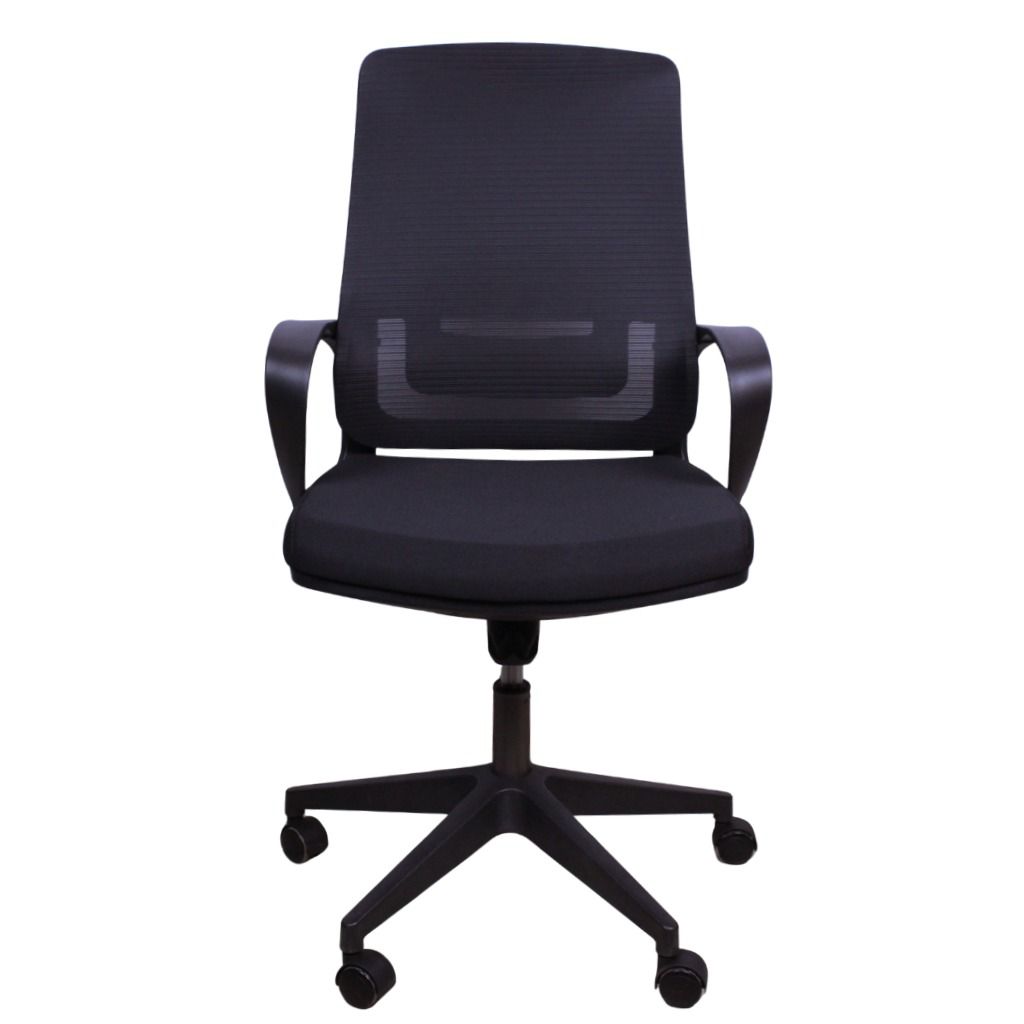
The decision to rent office chairs in Nairobi or buy them is a crucial financial calculation, not just a procurement choice. For a growing startup in Kilimani, preserving cash is a primary objective. Leasing offers an attractive way to equip an office without a large capital outlay. In contrast, buying outright builds a tangible asset on your balance sheet that can lower total costs over several years.
This guide details the financial and operational implications for your Nairobi-based business. The information helps you make a decision that supports your company's growth.
Startup Cash Flow Dynamics and Office Furniture Needs in Nairobi
Cash flow is the lifeblood for any startup founder in Nairobi. Every shilling is typically allocated to growth drivers such as marketing, product development, or hiring key talent. A large, one-off expenditure on office furniture can feel like a direct drain on these critical resources.
A professional and ergonomic office environment is not a luxury, however. It is essential for attracting top talent and fostering a productive atmosphere. The right chair means your developers can code for hours without back pain, and your sales team feels supported and confident during client calls.
Leasing Office Furniture for SMEs: Benefits and Drawbacks
Leasing, or hiring, furniture is an operational expense (OpEx). You pay a recurring fee to use the assets, but you never own them. This model is perfectly suited for businesses prioritising financial agility.
- Benefit: Cash Flow Preservation. This is the primary advantage. You avoid a significant upfront payment, freeing up capital for core business activities. A predictable monthly fee is far easier to factor into your budget.
- Benefit: Flexibility and Scalability. As your team expands from five to fifteen, you can simply adjust your lease agreement to add more desks and chairs. There is no need to worry about storing or selling surplus items if you need to downsize.
- Benefit: Access to Higher Quality. Leasing can provide access to premium chairs that you couldn't afford to buy outright. This means better support for your team, with features like adjustable lumbar curves and breathable mesh backs that reduce fatigue.
- Drawback: Higher Total Cost. Over a period of three or more years, the total amount you spend on leasing will almost certainly be higher than the purchase price. You are paying a premium for flexibility.
- Drawback: No Asset Ownership. At the end of the lease term, you have nothing to show for your payments. The furniture is returned, and you have no residual value to add to your company's balance sheet.
Buying Office Furniture Outright: Long-Term Value and Implications
Purchasing furniture is a capital expense (CapEx). It is a long-term investment that converts your cash into a physical asset. This traditional approach appeals to businesses with stable footing and a long-term vision.
- Benefit: Lower Total Cost of Ownership (TCO). If you plan to use the furniture for three years or more, buying is almost always the more cost-effective option. After the initial purchase, there are no further payments.
- Benefit: Asset on Your Books. The furniture you buy contributes to your company's asset value. It depreciates over time but can be sold later to recoup some of the initial investment.
- Benefit: Complete Control. You own it, so you can customise it, move it between offices, or sell it whenever you choose. There are no contract terms dictating its use.
- Drawback: Significant Upfront Cost. The initial cash outlay can be substantial, especially for a new office. This capital is then locked into a depreciating asset instead of being used for growth.
- Drawback: Responsibility for Maintenance. If a chair's gas lift fails or a castor breaks, you are responsible for sourcing office chair spare parts and managing the repair.
Total Cost of Ownership (TCO): A Lease vs. Buy Comparison
Let's model a scenario for a 10-person startup in Nairobi needing ergonomic chairs and office desks over a 3-year period. This financial breakdown illustrates the long-term impact of your choice.
| Metric | Leasing Scenario | Buying Scenario |
|---|---|---|
| Initial Outlay (10 Workstations) | KES 50,000 (Delivery + First Month) | KES 450,000 |
| Monthly Recurring Cost | KES 40,000 | KES 0 |
| Total Cost Over 36 Months | KES 1,440,000 | KES 450,000 |
| End-of-Term Asset Value | KES 0 | ~KES 100,000 (Resale Value) |
Initial Outlay and Recurring Costs
The table clearly shows the fundamental trade-off. Leasing requires a minimal initial investment, making it accessible for a bootstrapped startup. Buying demands significant capital upfront, which can strain early-stage budgets.
Leasing creates a predictable operational expense, which is easy for accounting. Buying is a one-time capital expense that impacts your cash reserves immediately.
Depreciation and Asset Value Over Time
Office furniture is a depreciating asset. The KES 450,000 you spend on furniture will not retain its full value after three years, but it does not drop to zero. You can reasonably expect to sell it for 20-25% of its original value. With leasing, the KES 1.44M spent results in zero retained value for your business.
End-of-Term Options for Office Furniture Lease vs. Buy
When a lease ends, you typically have three choices: return the furniture, renew the lease, or purchase the items at their fair market value. When you own the furniture, your options are simpler: keep using it, sell it, or dispose of it.
Flexibility and Scalability for Nairobi's Growth-Stage Businesses
A Nairobi startup's headcount can be unpredictable. You might plan to hire three people but end up hiring ten after landing a major client. Leasing is built for this uncertainty. A simple call to your provider can have new workstations delivered and installed within days.
If you buy furniture and your team shrinks, you are left with empty desks and chairs that take up valuable space. The logistics and cost of storing or selling this surplus furniture become another operational burden you do not need.
Ergonomics, Quality, and Maintenance for Leased vs. Bought Office Furniture
The impact of good ergonomics should not be underestimated. A chair with poor lumbar support can lead to back pain, reduced focus, and absenteeism. Leasing often provides a cost-effective pathway to outfitting your team with the high-quality, fully adjustable chairs they need to perform at their best.
Furthermore, maintenance is typically included in a lease agreement. If a chair mechanism fails, the leasing company is responsible for the repair or replacement. When you own the chair, you must manage the chair repair services yourself.
Strategic Vendor Selection for Office Furniture in Nairobi: Contract Terms
Choosing the right partner is as important as choosing the right financing model. Whether leasing or buying, due diligence is essential to avoid future headaches.
How to Evaluate Suppliers in Kenya
Look for vendors with a physical showroom in Nairobi. You must see, touch, and sit in the furniture before committing. Test the adjustments on a chair. Does the height lever move smoothly? Do the armrests lock firmly into place? Read online reviews and ask for references from other local businesses.
Key Clauses in Lease and Purchase Agreements for Office Furniture
For a lease, scrutinise the 'wear and tear' clause to understand what is considered acceptable damage. Clarify the penalties for early termination and the process for adding or removing items. For a purchase, confirm the warranty terms, which are often detailed in the return policy, and understand the delivery and assembly fees.
Furniture as a Service (FaaS): A Modern Alternative
A new model, Furniture as a Service (FaaS), is emerging. It is an evolution of leasing that treats your office environment as a subscription, much like your software.
FaaS Bundled Services and Benefits for Startups
FaaS goes beyond just providing furniture. It is a holistic solution that often includes space planning, interior design consultation, delivery, installation, and ongoing maintenance, all bundled into one monthly fee. This allows founders to completely outsource the creation and management of their physical workspace through a single partner like Office Chairs Market Kenya.
How FaaS Reduces Capital Expenditure for Growth Businesses
FaaS is the ultimate tool for de-risking growth. It completely removes the need for capital expenditure on furniture. It offers unparalleled flexibility to change layouts, upgrade items, or relocate offices with minimal friction. It aligns your workspace costs directly with your headcount and revenue, turning a fixed cost into a variable one.
Kenyan Tax Implications for Office Furniture
Your financing choice has direct tax consequences. In Kenya, lease payments are generally treated as an operating expense and are 100% tax-deductible in the year they are incurred. This can reduce your overall tax burden.
When you buy furniture, it is classified as a capital asset. You cannot deduct the full cost at once. Instead, you claim a "Wear and Tear Allowance" annually, depreciating the asset over several years according to KRA regulations. Always consult with a qualified accountant in Nairobi to understand the specific implications for your business.
The Smart Choice: A Decision Framework for Your Nairobi Business
The right decision depends entirely on your company's current financial situation and future growth plans.
When to Lease Your Office Furniture in Nairobi
Lease if you are a bootstrapped or early-stage startup, need to conserve every shilling of cash for growth, anticipate rapid changes in team size, or are in a short-term or flexible office space.
When to Buy Your Office Furniture Outright
Buy if you are well-funded, have a stable, predictable growth path, have secured a long-term office lease of three years or more, and want to build the long-term asset value of your company.
Is Furniture as a Service Right for Your Startup?
Opt for FaaS if you prioritise maximum flexibility above all else, want a completely hands-off, managed solution for your workspace, and prefer a subscription-based financial model that scales perfectly with your business.
Your Next Steps for Office Furniture in Nairobi
Now that you understand the strategic differences between leasing and buying, your next step is to gather the specific data needed to make your final decision. This involves a clear assessment of your company's reality and some practical, on-the-ground research.
- Assess Your Finances: Determine exactly how much capital you can comfortably allocate to an upfront purchase versus your capacity for a recurring monthly expense.
- Forecast Your Headcount: Create a realistic 12 and 24-month projection for your team size. Be honest about both growth and potential downsizing scenarios.
- Visit Local Showrooms: Schedule visits to at least two furniture suppliers in Nairobi. Test the ergonomics of their chairs and assess the build quality of their desks. Your team's comfort is a direct investment in their productivity.
- Request Parallel Quotes: Get a quote from shortlisted vendors for both leasing and buying the same set of furniture. This allows for a direct, apples-to-apples financial comparison.
- Review the Fine Print: Before signing any agreement, have your accountant or legal advisor review the contract terms, paying close attention to warranties, liability clauses, and end-of-term conditions.