Mesh vs Leather Office Chair Guide for Kenyan Offices
The mesh vs leather office chair choice for Kenyan businesses usually ends with high-tensile mesh for daily desk work, because it breathes in warm weather. Leather still has its place in executive offices, boardrooms and reception areas, where appearance and a cushioned feel matter most. The material you pick affects staff comfort and focus through Nairobi's warm seasons and Mombasa's year-round humidity. You can compare both types in our online office chair shop.
.png)
Mesh vs Leather Office Chairs at a Glance
Mesh and leather suit different needs. This table compares the main types before the detail below.
| Feature | Mesh Office Chairs | PU or Bonded Leather Chairs | Genuine Leather Chairs |
|---|---|---|---|
| Breathability | High | Low | Lower than mesh |
| Seating feel | Firm, flexible support | Cushioned surface | Premium, cushioned feel |
| Appearance | Modern and minimal | Executive look at a lower cost | Traditional and premium |
| Maintenance | Vacuuming and spot cleaning | Gentle wipe; no harsh chemicals | Cleaning and periodic conditioning |
| Common wear issue | Mesh can stretch or sag | Surface can crack or peel | Can dry, fade or crack without care |
| Typical use | Task seating and open-plan offices | Budget executive or visitor seating | Executive offices and boardrooms |
Comfort and lifespan also depend on the chair's design and build quality. Upholstery alone does not make a chair ergonomic.
Climate Performance and Comfort of Mesh vs Leather in Kenya
An office chair's material touches the user's body for hours every day. In Kenya's varied climate, from upcountry heat to coastal humidity, that choice shapes daily comfort and focus.
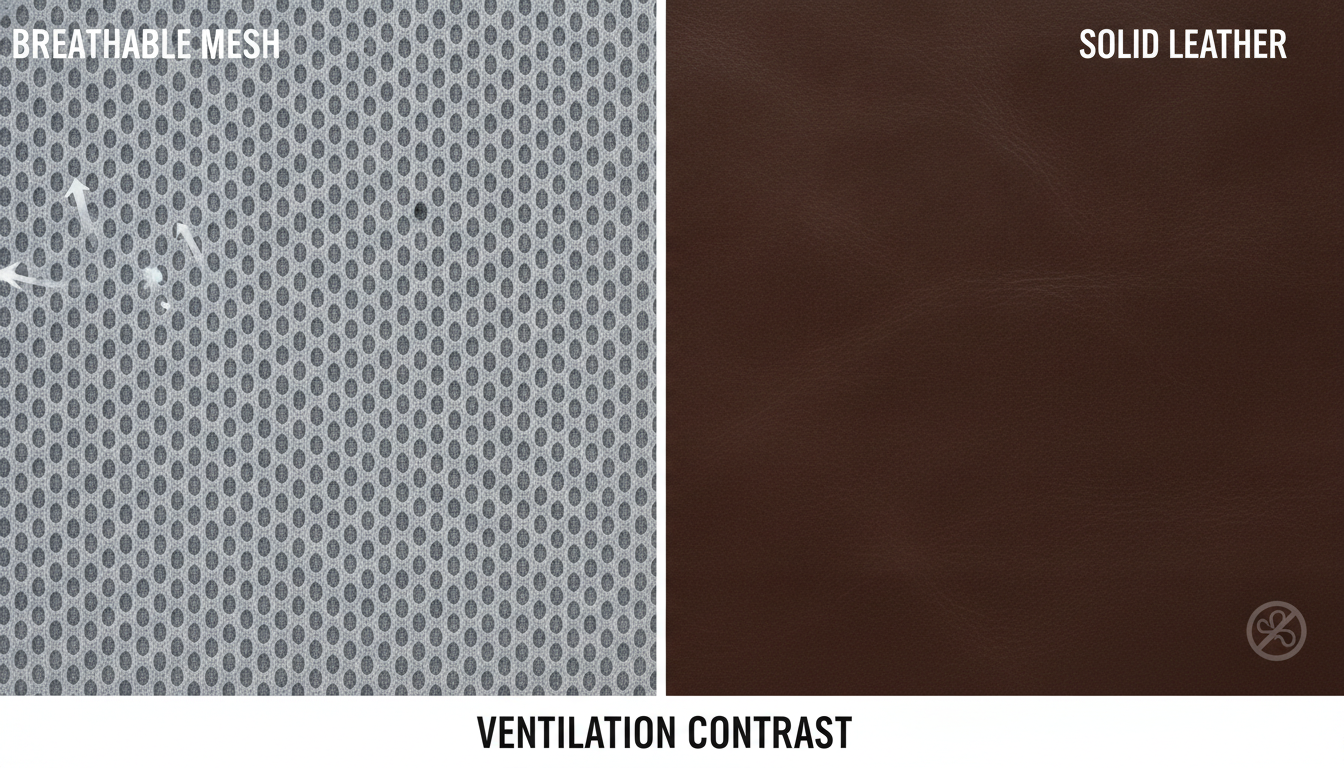
Breathability and Heat Dissipation in Mesh Chairs
Good mesh office chairs have a woven structure that lets air circulate continuously. This is a clear advantage in the warmer months in Nairobi and all year in Kisumu and Mombasa, especially in offices without steady air conditioning.
The airflow stops heat and moisture building up against the user's back. That means less sweating and less of the sticky feeling that comes with long hours of sitting, so staff stay cooler and more focused. Mesh quality still matters: weak tension or a poor seat design will feel uncomfortable over time, so judge the whole chair.
Heat Retention and Feel of Leather Chairs
Common polyurethane (PU) and bonded leather office chairs are non-porous. The material traps heat and becomes uncomfortable on a hot afternoon.
Genuine leather has a prestigious feel, but both it and the synthetic versions can cause heavy sweating. The discomfort leads to distraction and constant shifting to cool down. Air conditioning, the chair's construction and personal preference all change how much this matters.
Humidity Effects on Chair Materials
The difference grows in humid places like the Kenyan coast. Mesh lets moisture evaporate, which keeps the seat dry and comfortable.
PU leather turns clammy and sticky in high humidity. That feels unpleasant and also speeds up the breakdown of the material, a common problem for businesses in Mombasa.
Durability and How to Identify Quality Materials
An office chair is an asset, and its lifespan depends on the quality of its core materials. Knowing what to look for protects your investment from early failure.
Identifying High-Quality Mesh
Low-grade mesh on cheaper models often loses tension and sags within six to twelve months, which gives poor support and an untidy look.
High-tensile mesh gives firm, elastic support that lasts for years. To spot it, press your palm firmly into the seat or back. It should resist strongly and spring back instantly with no dent left behind. The weave will also look tighter and more even. Check that the edges are secure and free of loose or torn fibres.
Genuine, PU and Bonded Leather Differences
Genuine leather has a natural grain with small imperfections and a rich smell. It is very durable and costs more, and you will often find it on high-end executive office chairs.
PU (polyurethane) leather is a synthetic plastic made to look like leather. It has an even, repeating pattern and a noticeable chemical smell. It is affordable but lacks the breathability and long-term durability of real leather.
Bonded leather is made from leather scraps or fibres combined with a binding material and a surface coating. It is not the same as genuine leather and should not be sold as such. Ask the supplier which of the three a chair actually uses.
Peeling Leather vs Sagging Mesh
The most frequent complaint with synthetic leather chairs in Kenya is peeling. Heat, sunlight and humidity make the top plastic layer crack and flake away from the fabric backing, often within one to two years.
The main failure point for low-quality mesh chairs is sagging. A stretched mesh backrest gives no lumbar support, which encourages slouching and adds to back pain and fatigue. Sometimes replacing worn parts with office chair spare parts costs less than replacing the whole chair, but widespread upholstery damage is harder to repair economically.
Ergonomic Adjustability in Mesh and Leather Chairs
Ergonomics is not a luxury. It is essential for preventing workplace strain and keeping a team productive, and neither mesh nor leather guarantees good posture on its own.
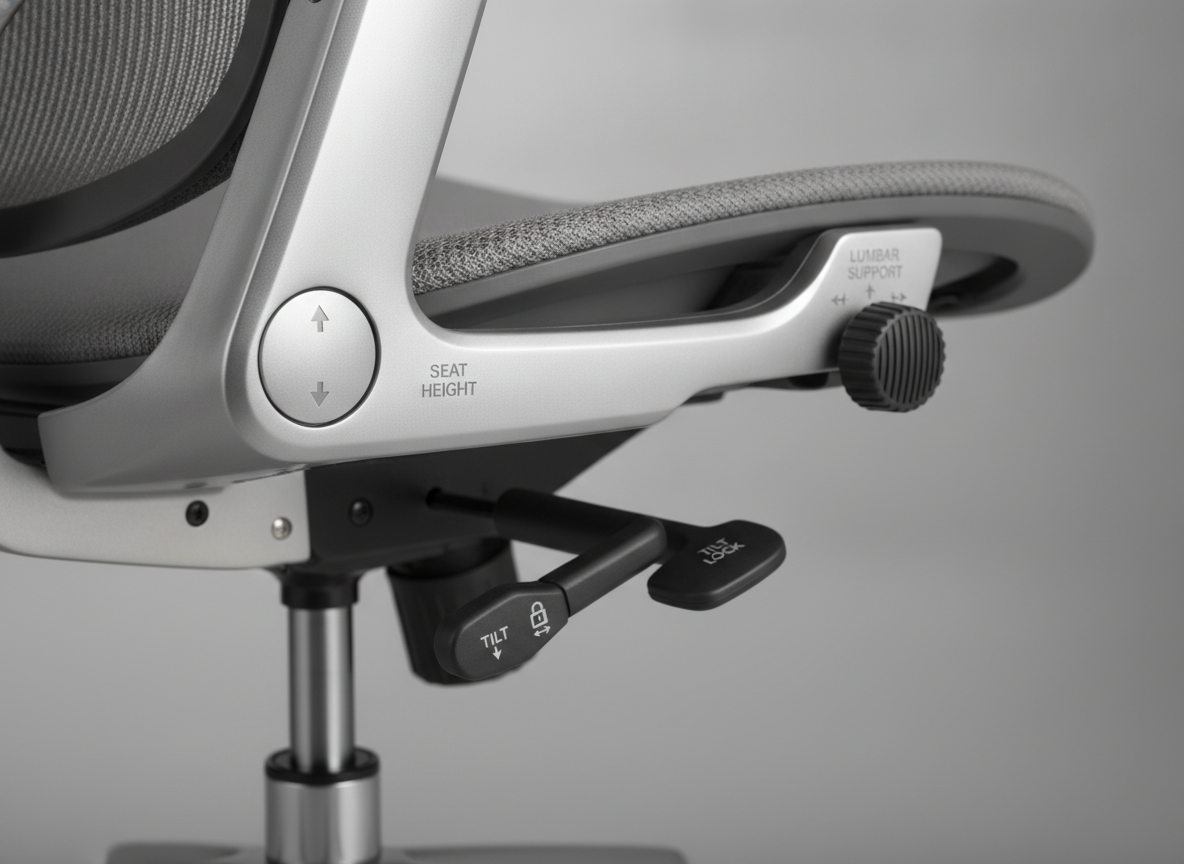
Lumbar Support and Spinal Alignment
Good lumbar support is a curve in the backrest that matches the natural inward curve of the lower spine. Mesh chairs deliver it through a tensioned backrest, and leather chairs through a shaped, cushioned back. Both types of ergonomic office chairs can offer adjustable height and depth.
This support stops slumping and reduces strain on the spinal discs and back muscles through the day. It is the most important ergonomic feature for long-term comfort and health.
Key Adjustments for a Personal Fit
Adjustability lets one chair model fit many users. The key adjustments are seat height, armrest height and width, and seat depth, which slides the seat pan forwards or backwards.
With the right seat depth, the user sits with their back fully against the backrest and a two to three finger gap between the seat edge and the back of the knees. This improves circulation and reduces leg strain.
How Ergonomics Reduces Fatigue
An ergonomic chair encourages movement while you sit. A synchro-tilt mechanism, where the backrest and seat tilt at a set ratio, follows the body's natural movement and reduces muscle fatigue through the day.
A well-designed chair keeps the spine aligned and the muscles supported, so teams can work longer with better concentration and less strain.
Mesh vs Leather Office Chair Cost and Long-Term Value in Kenya
Comparing the purchase price with the long-term value is the key to a smart buying decision.
Initial Cost of Mesh Chairs
Entry-level mesh chairs are cheap but often use low-quality mesh that sags quickly. A good ergonomic mesh chair with reliable mechanics starts at a mid-range price.
Initial Cost of Leather Chairs
PU leather chairs are often priced like mid-range mesh chairs and give an executive look on a modest budget. Genuine leather chairs are a premium purchase, usually kept for senior management offices.
Long-Term Value and Replacement Cycles
The total cost of ownership tells a clearer story. A cheap PU chair that peels within 18 months and needs replacing costs more over time than a durable mesh chair that lasts five years or more.
| Feature | High-Quality Mesh Chair | PU Leather Chair | Genuine Leather Chair |
|---|---|---|---|
| Initial Cost | Medium | Low to Medium | High |
| Climate Suitability (Kenya) | Excellent (Breathable) | Poor (Traps Heat, Peels) | Fair (Better than PU, still warm) |
| Expected Lifespan | 5-8 Years | 1-3 Years | 10+ Years |
| Long-Term Value | Excellent | Poor | Very Good |
What to Check Before Comparing Prices
- Frame and base construction.
- Seat and backrest quality.
- Adjustment features and mechanism design.
- Warranty cover and exclusions.
- Availability of compatible replacement parts.
- Delivery, assembly and after-sales support.
Compare chairs with similar features and uses. A basic visitor chair and a fully adjustable task chair are not equal just because they share the same upholstery. For current models and prices, see our guide to office chair prices in Kenya.
Maintaining Mesh and Leather Office Chairs
Proper care extends the life of your office furniture, protects your investment and keeps the workspace looking professional. Always follow the manufacturer's care instructions.
Cleaning and Care for Mesh Chairs
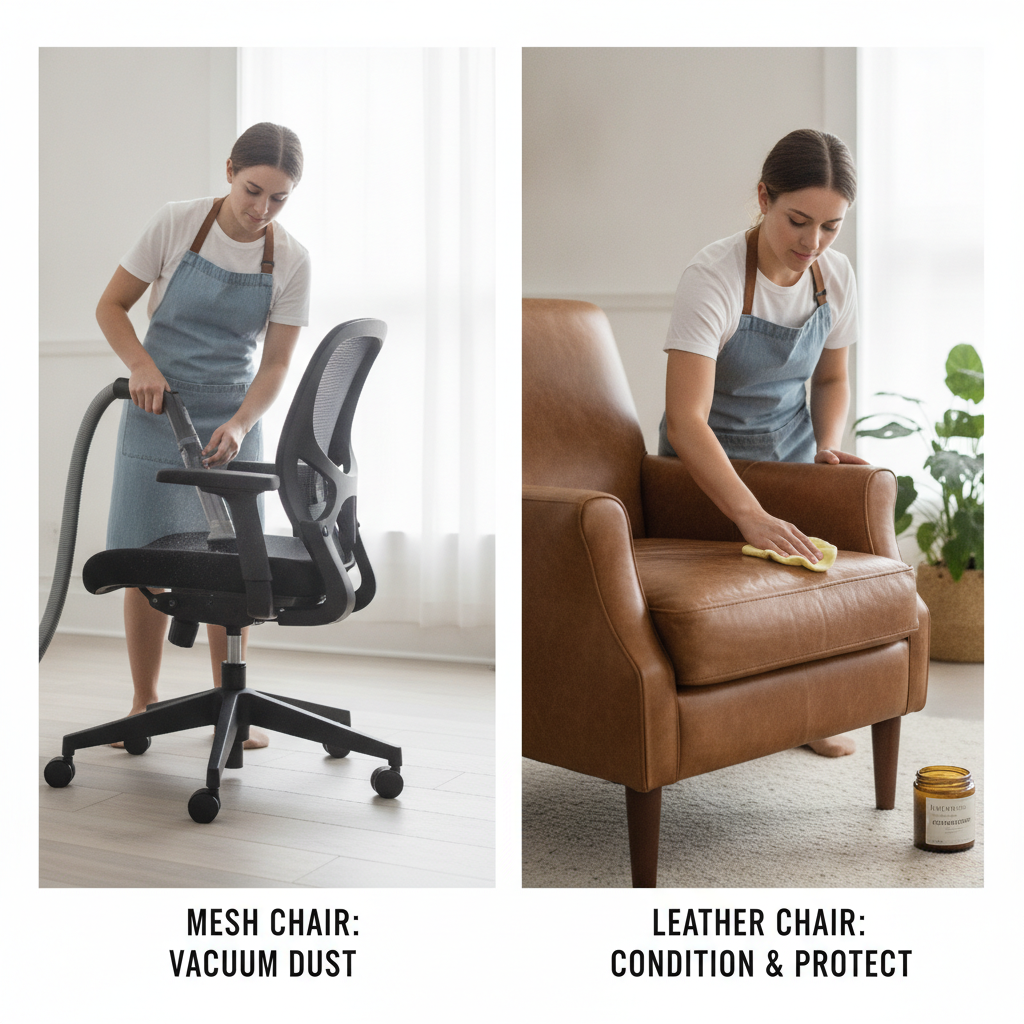
Mesh is easy to maintain. Vacuum the seat and back regularly with a brush attachment to remove dust. For spills, use a damp cloth with a little mild soap, test it on a hidden spot first, then wipe with a clean damp cloth and let the chair air dry. Do not soak the mesh.
Maintenance for Leather Chairs
Wipe PU and bonded leather weekly with a dry or slightly damp microfibre cloth. Avoid harsh chemical cleaners and abrasive pads, which speed up cracking. For genuine leather, use a cleaner made for its finish and a conditioner every 6 to 12 months to keep it supple. Blot spills rather than rubbing them, and keep all leather out of direct sun where possible.
Addressing Common Wear and Tear
Check and tighten the bolts on the armrests and mechanism regularly. Lubricate moving parts if they start to squeak; our squeaky office chair fix guide shows how. Clear tangled hair and debris from the castors so they keep rolling smoothly.
Choosing Mesh or Leather Chairs for Different Office Areas
A business does not need the same upholstery in every department. Different chair types can meet different needs while the office still looks consistent.
Open-Plan Offices and Workstations
Mesh task chairs are a practical choice for open-plan areas where staff sit at desks for long periods. Prioritise adjustment, lumbar support, seat comfort and solid construction. Browse mesh task chairs for daily workstation use.
Executive Offices and Boardrooms
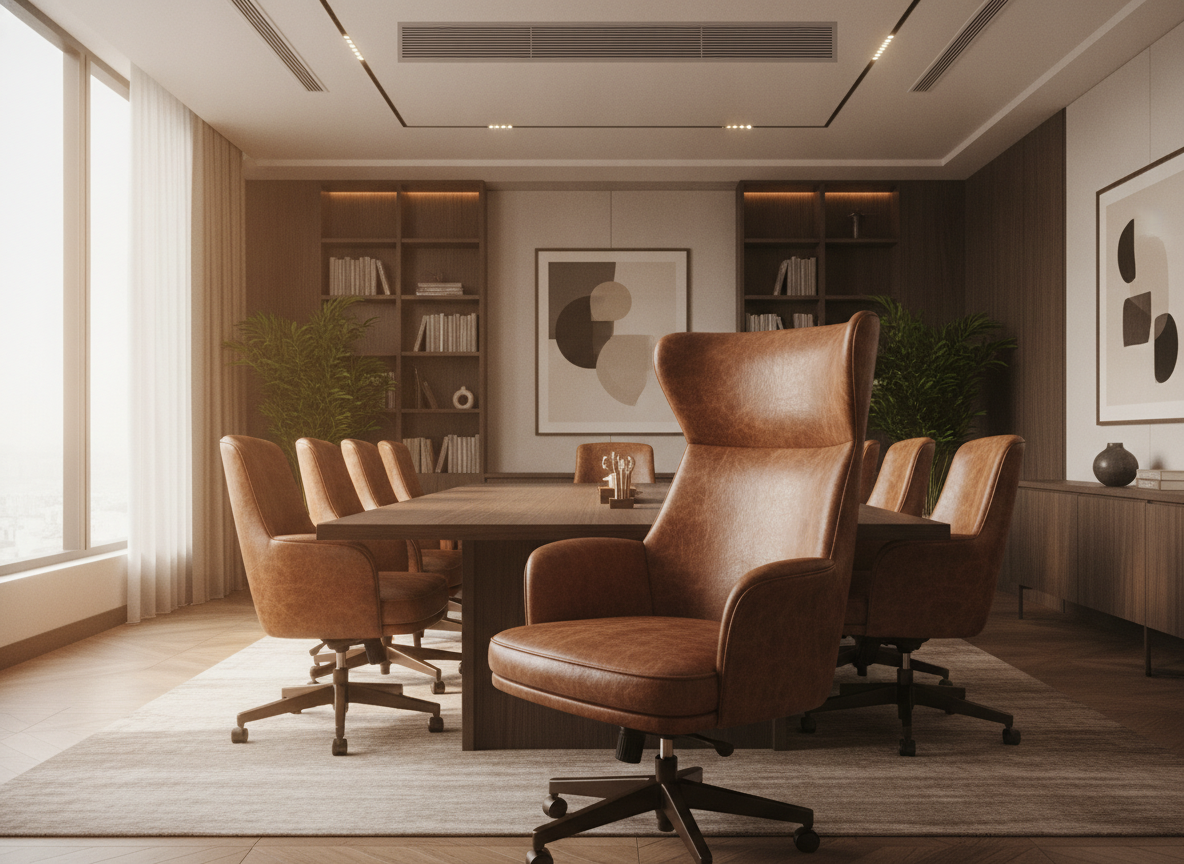
Leather executive chairs suit offices where a formal look matters. Genuine leather fits premium settings when the budget and upkeep allow, ideally in rooms with good air conditioning. Compare executive office chairs on support features and construction, not looks alone.
Reception and Visitor Areas
Choose visitor chairs by expected use, available space and how easy they are to clean. Leather-look upholstery gives a formal feel, while mesh designs suit modern interiors. See our visitor and reception chairs.
Matching Mesh and Leather Chairs in an Office Furniture Package
When you furnish a whole office, the aim is not identical chairs everywhere. It is one consistent design language with the right seat for each role, for example mesh task chairs for staff, leather executive chairs for management and matching visitor chairs for reception and meeting rooms.
Match Frame Colours, Bases and Finishes
Choose one frame colour or finish across the main seating types. Matte black is a neutral base, while white or light grey suits a brighter, modern space. A matching base finish, armrest style or frame design ties different chairs together even when the upholstery differs. Before a bulk order, confirm which finishes are available across the chosen models, because chairs from different ranges do not always share parts.
Match Seating to Employee Roles
Choose task chairs for daily use and adjustability. Executive seating can balance support, cushioning and appearance. Visitor chairs should fit the space and how often they are used. This role-based approach gives a coordinated office without sacrificing comfort.
Plan the Budget for a Complete Package
List the chair types and quantities for each area, then compare quotes that state the models, features, warranty, delivery and assembly. Bulk orders can open room to negotiate, but judge any discount against the full quote and how well the chairs suit each role.
Choosing an Office Chair Supplier in Kenya
Your supplier matters as much as the chair. A reliable partner can explain the difference between mesh, PU, bonded and genuine leather, gives clear specifications and supports you after the sale.
Supplier Track Record and Advice
Look for a supplier with a proven track record and genuine client feedback. A good supplier understands ergonomics and can guide you to the right chairs for your team's needs and budget.
Warranty and After-Sales Support
Ask for the warranty in writing, including how long it lasts and whether the frame, mechanism, gas lift, castors and upholstery are covered on the same terms. Warranty periods vary by model, so get the details for the exact chairs you plan to buy. Also ask how claims are handled and whether spare parts such as gas lifts and castors are available locally.
Showroom Visits and Chair Trials
Test an office chair before you buy, especially for a large order. Try the seat, backrest, armrests, height adjustment and recline. Visit our store or another Nairobi showroom to test models in person and compare finishes side by side. Some suppliers also lend trial chairs so your team can test them at their own desks.
Delivery, Assembly and Payment
Office Chairs Market delivers free within Nairobi CBD and Westlands. For other areas we quote delivery based on order size and location, and pay on delivery is available. A deposit or full payment applies only to corporate or bulky orders, and most bulky orders are fulfilled within 48 hours. If your order needs shipping, we advise you on the options. For office-wide orders, agree the delivery schedule and who handles assembly and placement before you confirm, so the move causes as little disruption as possible.
Import Duties and Local Assembly Effects on Chair Prices
Several logistics factors shape the final price of an office chair in Kenya, and understanding them helps explain price differences between suppliers.
Most quality office chairs are imported as components and assembled locally. The price reflects import duty, VAT and shipping costs. Local assembly can lower the final cost compared with importing fully assembled chairs.
Assembly quality varies. A reputable supplier trains its technicians to assemble chairs to the manufacturer's specifications for stability and a long service life.
Mesh or Leather Office Chair Recommendation
For most Kenyan workstations, a well-built mesh task chair gives the best mix of ergonomic support, climate comfort and long-term value. Its breathability makes a real difference to daily comfort and focus.
PU leather gives an executive look at a low starting cost, but heat and peeling make it a poor long-term buy. For boardrooms and senior offices where prestige comes first, genuine leather is a good option if the budget allows and the room has effective air conditioning. For a full office, combine materials by role and keep frames and finishes consistent. Explore our office chair categories or contact Office Chairs Market for help choosing.
Mesh vs Leather Office Chair FAQs
Is mesh or leather better for hot weather in Kenya?
Mesh is better in heat and humidity because air passes through the weave and moisture evaporates. PU and bonded leather trap heat and can feel sticky by the afternoon.
Which lasts longer, mesh or leather?
High-tensile mesh usually lasts 5 to 8 years and genuine leather 10 years or more with care. PU leather often peels within 1 to 3 years in warm conditions.
What is bonded leather?
Bonded leather is made from leather scraps or fibres held together with a binder and a surface coating. It costs less than genuine leather but wears more like synthetic leather.
Can I mix mesh and leather chairs in one office?
Yes. Many offices use mesh for staff workstations and leather for executive and boardroom seating, with matching frame colours and bases so the furniture looks planned.
Shop Office Chairs in Kenya
Browse our collection of office chairs at competitive prices. Same-day delivery within Nairobi and nearby areas, and delivery across Kenya.