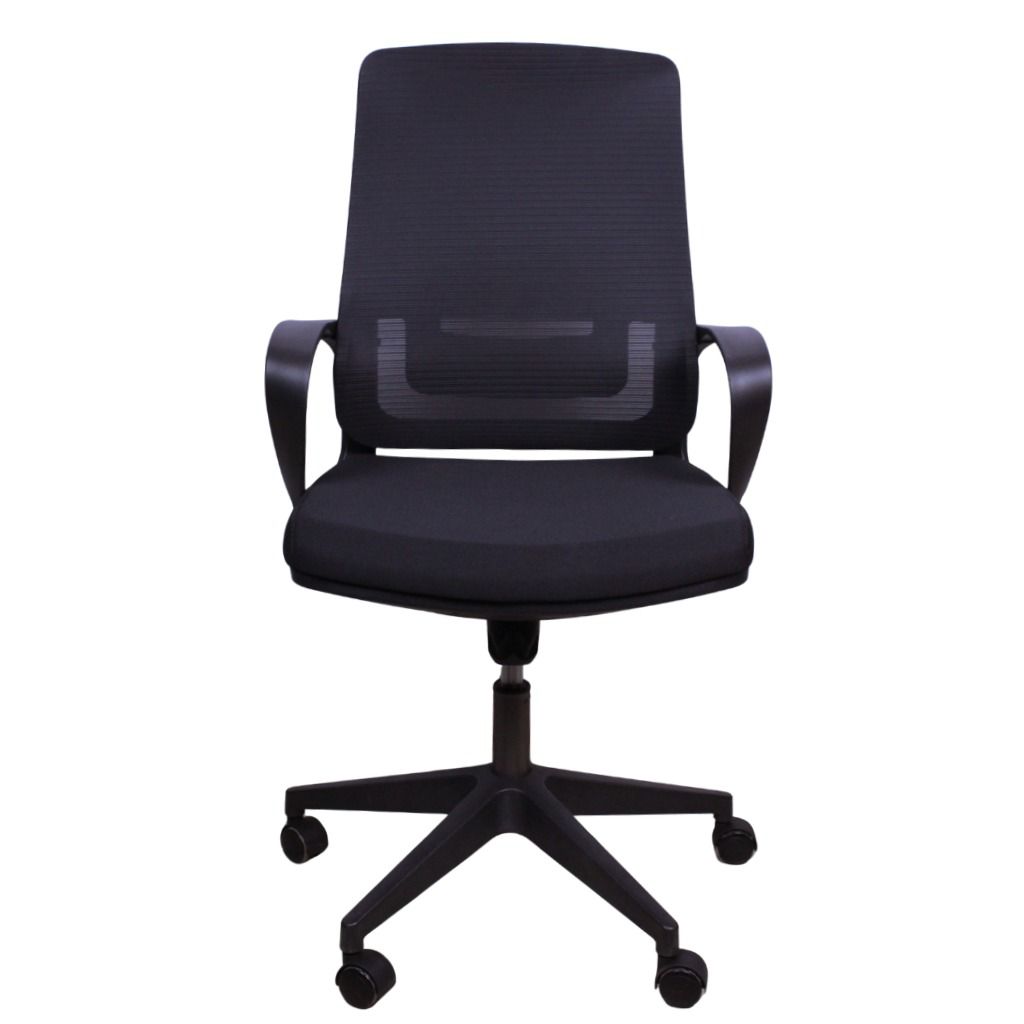
Effective workplace ergonomics in Kenya requires employers to align desk setups with the country's Occupational Health and Safety (OHS) Act and established international standards to prevent musculoskeletal disorders. Investing in adjustable furniture is not about employee comfort alone; it is a critical business strategy to protect your team from chronic pain and your company from long-term liability.
Kenyan Occupational Health & Safety (OHS) Guidelines for Ergonomics
Kenya's Occupational Safety and Health Act (OSHA), 2007, mandates that employers provide a safe working environment. The Act provides a broad framework, and while it does not specify desk heights in centimetres, its core principle is the prevention of work-related injury and ill-health.
To comply with the spirit of the law and demonstrate due diligence, employers should reference international ergonomic standards. These globally accepted principles give practical shape to the OHS Act's requirements, ensuring you actively prevent the injuries the legislation is designed to avoid.
Key Principles for an Ergonomic Desk and Correct Employee Posture
A correct ergonomic setup is the foundation of a healthy and productive workday. The goal is to create a neutral body position that minimises stress on muscles, tendons, and the skeletal system.
- Seated Posture: Your employee's feet should rest flat on the floor, with their knees bent at a 90-degree angle, level with or slightly below the hips. This stable base prevents strain on the lower back.
- Monitor Position: The top of the computer screen should be at or just below eye level. This adjustment prevents the forward head-tilt that causes significant neck and shoulder pain over time.
- Keyboard and Mouse: Position the keyboard and mouse close together on the same surface. The user’s elbows should remain comfortably at their sides, bent at a 90-degree angle, to avoid reaching and straining the shoulders.
- Viewing Distance: The screen should be about an arm's length away. This distance minimises eye strain without forcing the user to lean forward or squint.
Essential Ergonomic Office Furniture for Compliance
Investing in the right equipment is the most direct way to facilitate good posture and meet ergonomic standards. Adjustability is the key feature, allowing each piece of furniture to be tailored to the individual user.
The Role of Ergonomic Office Chairs in Support
An ergonomic chair is the single most important tool for a desk-based worker. It is an active piece of equipment designed to support the body through long hours of sitting. Look for chairs that provide dynamic support, moving with the user and encouraging healthy posture.
The right chair does more than offer a place to sit; it cradles the lumbar spine, aligns the pelvis, and reduces pressure on the thighs. This allows for better circulation and sustained focus.
| Feature | Sensory Benefit & Purpose |
|---|---|
| Adjustable Lumbar Support | Cradles the natural curve of the lower back, providing firm support that prevents slouching and reduces spinal pressure. |
| Height & Armrest Adjustment | Allows the user to plant their feet firmly on the floor and rest their forearms, taking the weight off their shoulders and neck. |
| Breathable Mesh Back | Promotes constant airflow, keeping the user cool and comfortable, especially during warmer afternoons or intense project deadlines. |
| Seat Depth Adjustment | Ensures proper thigh support without pressing into the back of the knees, which improves blood circulation to the lower legs. |
Adjustable Desks for a Dynamic Work Environment
Height-adjustable desks, also known as sit-stand desks, are becoming a standard in modern Kenyan offices. They combat the negative health effects of a sedentary work life by allowing employees to change their posture throughout the day.
The simple act of standing for a portion of the day engages core muscles, improves circulation, and can lead to a noticeable boost in energy and focus. A dynamic workstation supports a dynamic workforce.
Monitor Arms and Other Essential Accessories
Small adjustments can yield significant ergonomic benefits. Monitor arms are a prime example, allowing for precise control over the height, depth, and angle of a screen.
This level of customisation provides a clear advantage over a standard monitor stand and is crucial for users of different heights. By lifting the monitor off the desk, these arms also free up valuable workspace for documents and other tools.
Strategies to Prevent RSIs and MSDs in the Kenyan Workplace
Repetitive Strain Injuries (RSIs) and Musculoskeletal Disorders (MSDs) are not sudden events but the result of accumulated micro-traumas. Conditions like carpal tunnel syndrome, tendonitis, and chronic lower back pain develop from sustained poor posture and repetitive motions.
Proactive ergonomic strategies are the only effective prevention. This includes providing adjustable equipment, training staff on correct posture, and encouraging regular micro-breaks. Encouraging employees to stand, stretch, and walk away from their desks for a few minutes every hour interrupts static postures and reduces strain.
Employer Legal Liabilities and Risk Mitigation in Kenya
Under the OHS Act, an employer has a duty of care to provide a safe workplace. An increase in MSDs linked to office work could expose a company to legal challenges and liability claims from employees who develop chronic conditions.
Providing fully adjustable, ergonomic chairs and workstations is a powerful form of risk mitigation. It serves as documented proof that the company has taken proactive and reasonable steps to protect its employees' health, creating a strong defence against potential long-term liability for RSIs.
A Framework for Ergonomic Workplace Implementation
Rolling out ergonomic furniture is only the first step. A successful programme requires a clear implementation and maintenance strategy. Start by conducting individual workstation assessments to identify specific risks and needs.
Follow this with mandatory training for all staff on how to properly adjust their new equipment. Finally, establish a system for ongoing support, where employees can request reassessments or adjustments as their needs change over time. Ergonomics is a continuous process, not a one-time fix.
The Business Case for Ergonomics: Productivity, Absenteeism, and Retention
Ergonomic furniture requires an initial capital outlay, but the return on investment is significant and multifaceted. Employees who are comfortable and free from pain are demonstrably more focused and productive.
Proper ergonomic setups directly reduce absenteeism caused by back pain, neck strain, and other MSDs. Investing in employee well-being also sends a powerful message that the company cares, which is a key factor in improving morale and retaining top talent in a competitive market.
Ergonomic Compliance for Home Offices in Kenya's Hybrid Work Model
An employer's duty of care does not end at the office door. With the rise of hybrid and remote work in Kenya, companies must extend ergonomic best practices to home office setups. This can involve providing an allowance for ergonomic equipment or offering virtual assessments.
Failing to address the ergonomics of a home workspace exposes the company to the same liabilities as an unsafe office. Proactively supporting remote workers protects both the employee's health and the organisation's legal standing.
How to Source Compliant Ergonomic Furniture in Kenya
Once you decide to invest in workplace ergonomics, the next step is finding a reliable supplier. Look for a partner in Kenya who provides more than just furniture and who understands the principles of ergonomics.
Seek out suppliers who offer showroom consultations, allowing you and your team to test chairs and desks before purchasing. Prioritise companies that provide robust warranties, professional assembly, and after-sales support to ensure your investment is protected for the long term. You can browse our full online office chair shop to find the right equipment for your team.