How to Clean Executive Office Chairs | Maintenance Guide
The effective upkeep of an office chair in Kenya is a material-dependent process. Genuine leather requires periodic conditioning, while PU leather needs gentle, solvent-free methods. Mesh chairs demand initial vacuuming to remove dust, and fabric chairs need precise spot-treatments for spills.
This tailored approach combats accelerated wear from dust and direct sunlight common in Kenyan offices. Correct maintenance ensures the longevity and appearance of your furniture investment.

How To Clean Genuine Leather Office Chairs in Kenya
Genuine leather requires consistent care to prevent the material from drying out and cracking. Regular, gentle cleaning removes surface dirt and oils that can degrade the leather over time. The main goal of leather care is to maintain the material's natural moisture balance, which is particularly important in Kenya's dry and dusty conditions.
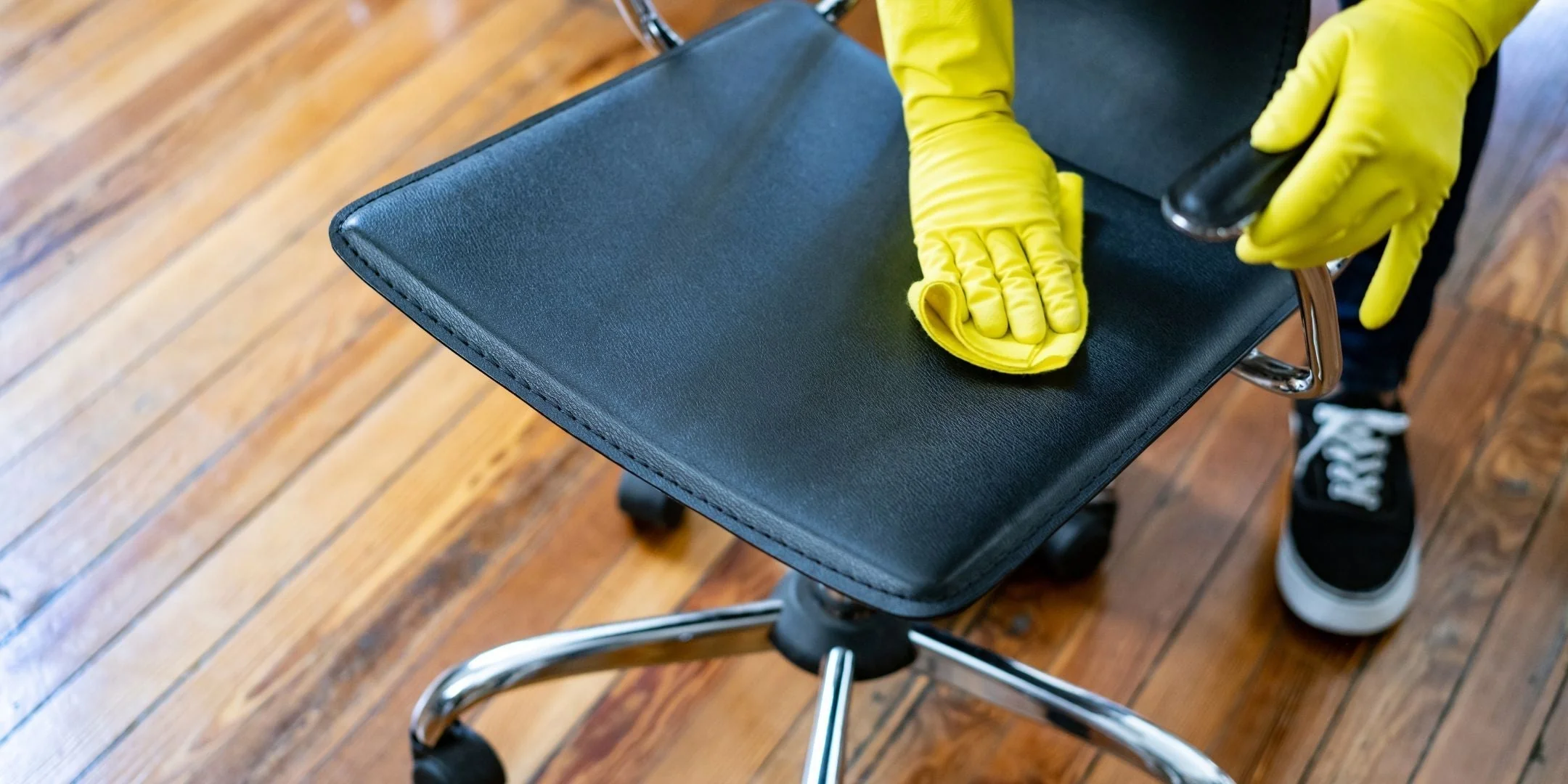
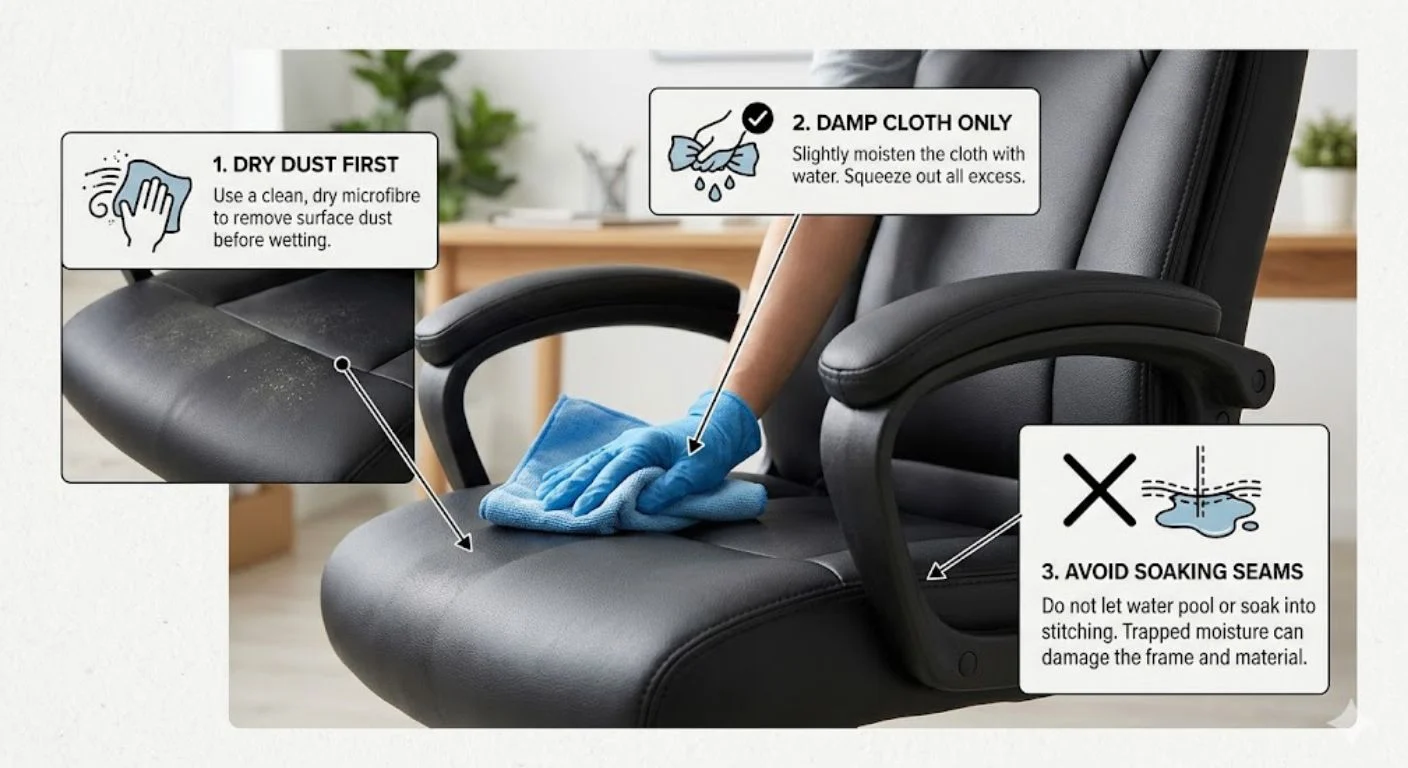
Start the cleaning process by dusting the chair weekly with a soft, dry microfibre cloth or a vacuum's soft brush attachment. For deeper cleaning, mix a small amount of a pH-neutral leather cleaner with distilled water. Dampen a clean microfibre cloth with the solution, wring the cloth out thoroughly, and wipe down the entire surface.
Immediately follow the wet wipe with a second, dry microfibre cloth to remove any residual moisture. The most important step is to apply a quality leather conditioner every 3-6 months. This application replenishes the natural oils, keeps the leather supple, and protects the material from cracking.
Tools Required for Cleaning Genuine Leather
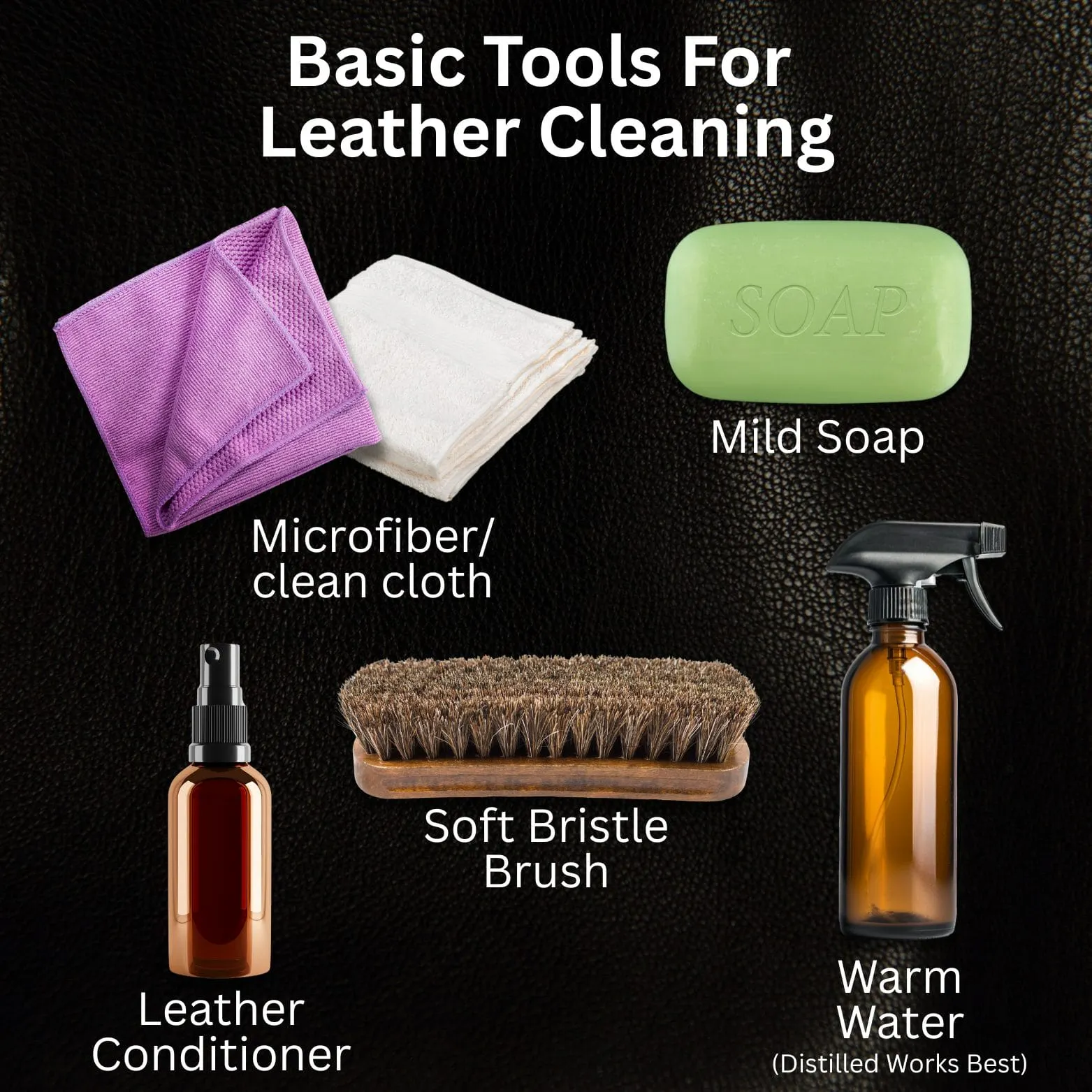
Gathering the correct supplies prevents irreversible damage like discolouration or drying. These specialised items are available from quality furniture stores or office supply chains in Kenya.
- Microfibre Cloths: Use at least two cloths, one for cleaning and one for drying and buffing. Their soft texture prevents scratching the leather surface.
- Vacuum with Soft Brush Attachment: A vacuum safely removes dust and debris from seams and crevices without causing abrasion.
- pH-Neutral Leather Cleaner: A dedicated, pH-balanced cleaner cleans the material without stripping the leather of its natural oils. Avoid all-purpose cleaners or harsh detergents.
- Leather Conditioner: This product moisturises the hide, restores its lustre, and adds a protective layer against spills and UV damage.
How to Clean PU and Bonded Leather Office Chairs Without Causing Damage
Polyurethane (PU) and bonded leather chairs have a plastic coating over a fabric base, making them vulnerable to certain cleaning methods. Harsh chemicals can easily damage this surface layer, leading to peeling, cracking, and discolouration.
The primary rule for PU and bonded leather is to avoid aggressive solvents, alcohol-based products, and abrasive cleaners. These substances break down the polyurethane coating. The safest cleaning routine uses a simple solution of mild dish soap and warm water. Dip a soft cloth into the soapy water, wring it out completely, and gently wipe the surface, following immediately with a dry cloth. This method is specific to synthetic leather types.
What Is the Best Way to Maintain a Mesh Office Chair?
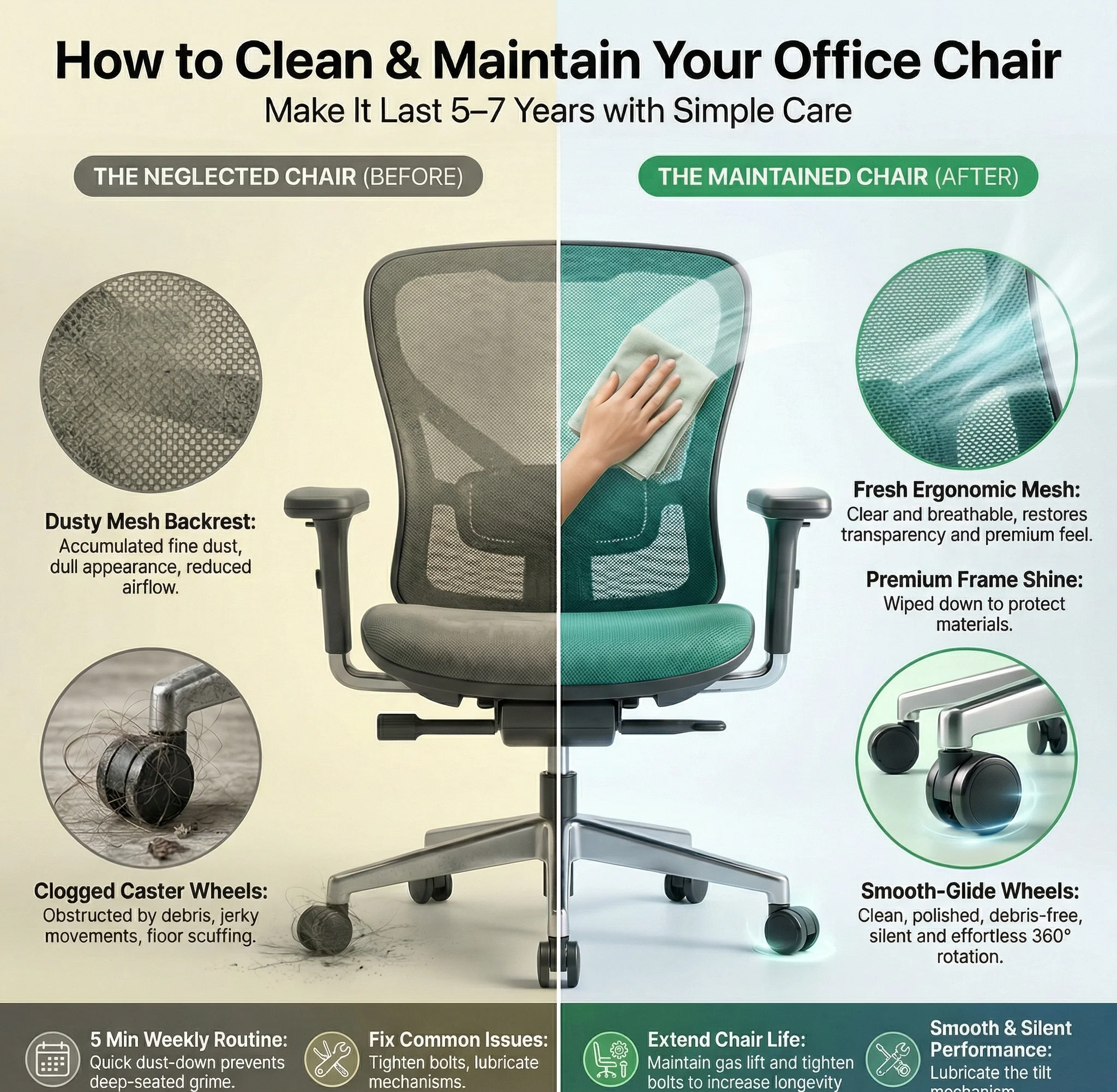
Mesh office chairs can trap significant amounts of dust, skin cells, and other debris within their woven material. Cleaning mesh effectively is a two-step process that prevents smearing dirt into the fabric. The initial step is non-negotiable in dusty Kenyan office environments.
Always begin by thoroughly vacuuming the entire chair, including the seat, backrest, and armrests, with a brush attachment. This action removes the fine, embedded dust that wiping alone cannot. After vacuuming, mix a small amount of mild liquid soap with warm water. Lightly dampen a microfibre cloth with this solution and gently wipe down the mesh.
How Do You Spot-Clean Fabric Office Chairs?
Fabric upholstery requires prompt attention to prevent spills from setting into permanent stains. The key to successful spot-cleaning is to act quickly and use the correct technique. First, blot a fresh spill with a clean, dry cloth to absorb as much liquid as possible. Never rub the spill, as rubbing can spread the stain and damage fabric fibres.
Before applying any cleaning solution, check the manufacturer's care tag for a cleaning code, such as 'W' for water-based or 'S' for solvent-based. For most water-based stains, a solution of mild detergent and water is sufficient. Apply the solution to a clean cloth, not directly to the stain, and gently dab the area from the outside in. This technique is only for fabric and should not be used on leather or mesh.
How Can You Protect Office Chairs from Dust and Sunlight in Kenya?
Persistent dust and intense, direct sunlight are two major threats to office furniture longevity in Kenya. Abrasive dust particles accelerate wear on upholstery and mechanical parts. Accumulated dust also dulls the finish of all materials and can contribute to workplace allergens.
Direct sunlight poses an even greater risk, as its UV radiation causes irreversible fading in fabrics and cracking in all leather types. To protect your investment, position chairs away from direct window exposure. If placement is fixed, use blinds or UV-filtering window film to reduce the sun's impact. A weekly dusting routine is the most effective defence against dust-related abrasion.
Office Chair Cleaning Methods at a Glance
This table provides a quick reference for the correct cleaning agents and procedures for different office chair materials. Following these guidelines helps prevent damage and extends the life of your furniture.
| Material Type | Recommended Cleaner | Key Maintenance Step |
|---|---|---|
| Genuine Leather | pH-neutral leather cleaner | Condition every 3-6 months |
| PU/Bonded Leather | Mild dish soap and water | Avoid all solvents and direct sun |
| Mesh | Mild liquid soap and water | Vacuum thoroughly before wiping |
| Fabric | Water or solvent-based cleaner (per tag) | Blot spills immediately; do not rub |
How to Prevent Common Physical Damage to Office Chairs
Protecting an office chair involves more than cleaning; it requires mindful use and proactive mechanical checks. The most frequent cause of premature wear is using the wrong cleaning products. Never apply harsh chemical cleaners, window spray, bleach, or abrasive pads to any part of your chair.
Physical damage is another common problem. Use gentle wiping motions rather than aggressive scrubbing during cleaning. To prevent structural stress when moving the chair, always lift the chair from its sturdy base, never by the armrests or headrest. Finally, perform a quarterly check for all bolts and screws, tightening any that have become loose.
When Should You Hire Professional Office Chair Cleaners in Kenya?
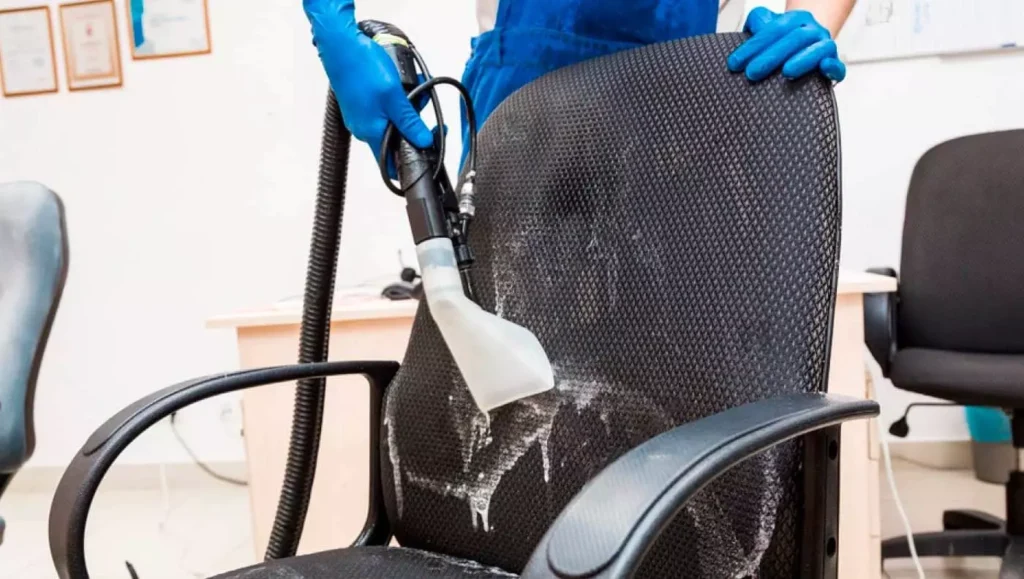
While routine cleaning can be managed in-house, professional intervention is sometimes the most cost-effective choice. Professional services are warranted for deep-set stains, pervasive odours, or when cleaning a large number of high-value chairs.
Professionals use specialised equipment, like hot water extraction machines, that can safely remove dirt without oversaturating the upholstery. For a large number of ergonomic chairs, an annual professional clean can be cheaper than premature replacement caused by improper DIY attempts. When vetting local services, confirm they have specific experience with office chair materials. [Contact us for professional cleaning services]
How to Maximise the Lifespan of Your Ergonomic Office Chairs
A quality office chair is an investment in productivity, and its protection requires integrating maintenance into regular facility management. This practice preserves both the chair's appearance and its ergonomic performance. Establish a simple routine: weekly vacuuming for all chairs and quarterly conditioning for genuine leather chairs.
Encourage users to report spills immediately to prevent stains from setting. Consistent care transforms maintenance from a reactive chore into a strategic practice of asset preservation. This proactive approach is the key to maximizing your return on investment in office furniture.
How Maintenance Needs Should Inform Your Office Chair Procurement
The experience of maintaining your current chairs should directly inform future purchasing decisions. When evaluating new chairs, procurement teams must consider the total cost of ownership, which includes maintenance requirements and durability in the local Kenyan environment.
Before purchasing, ask suppliers for the manufacturer's recommended cleaning guide for the specific upholstery. Consider the office environment. A space with high foot traffic and dust is better served by easily wipeable PU leather or durable dark fabric. Factoring in ease of cleaning and resilience to local conditions at the procurement stage leads to more sustainable investments.
Need Office Chairs?
Browse our collection of office chairs at competitive prices. Fast delivery anywhere in Kenya.