Office Chair Gas Lift Class: Durability Guide for Kenya
The office chair gas lift class is the most critical specification for its durability and weight capacity. Class 3 and Class 4 are the essential standards for a reliable office chair in Kenya. An understanding of this classification is vital to avoid the common frustration of a sinking chair. This knowledge protects your investment and ensures consistent ergonomic support for years, not just months.
The Function of an Office Chair Gas Lift
The gentle hiss you hear when pulling the lever to adjust your seat height is the gas lift mechanism at work. It is a pneumatic cylinder filled with pressurised nitrogen gas. The cylinder acts as a spring to smoothly raise and lower the chair.
The gas lift serves a primary ergonomic purpose. Correct height adjustment allows you to place your feet flat on the floor with your thighs parallel to it, which reduces strain on your lower back. A chair with a failed gas lift loses its most fundamental adjustment feature and cannot be considered ergonomic.
Gas Lift Classes 1, 2, 3, and 4 Explained
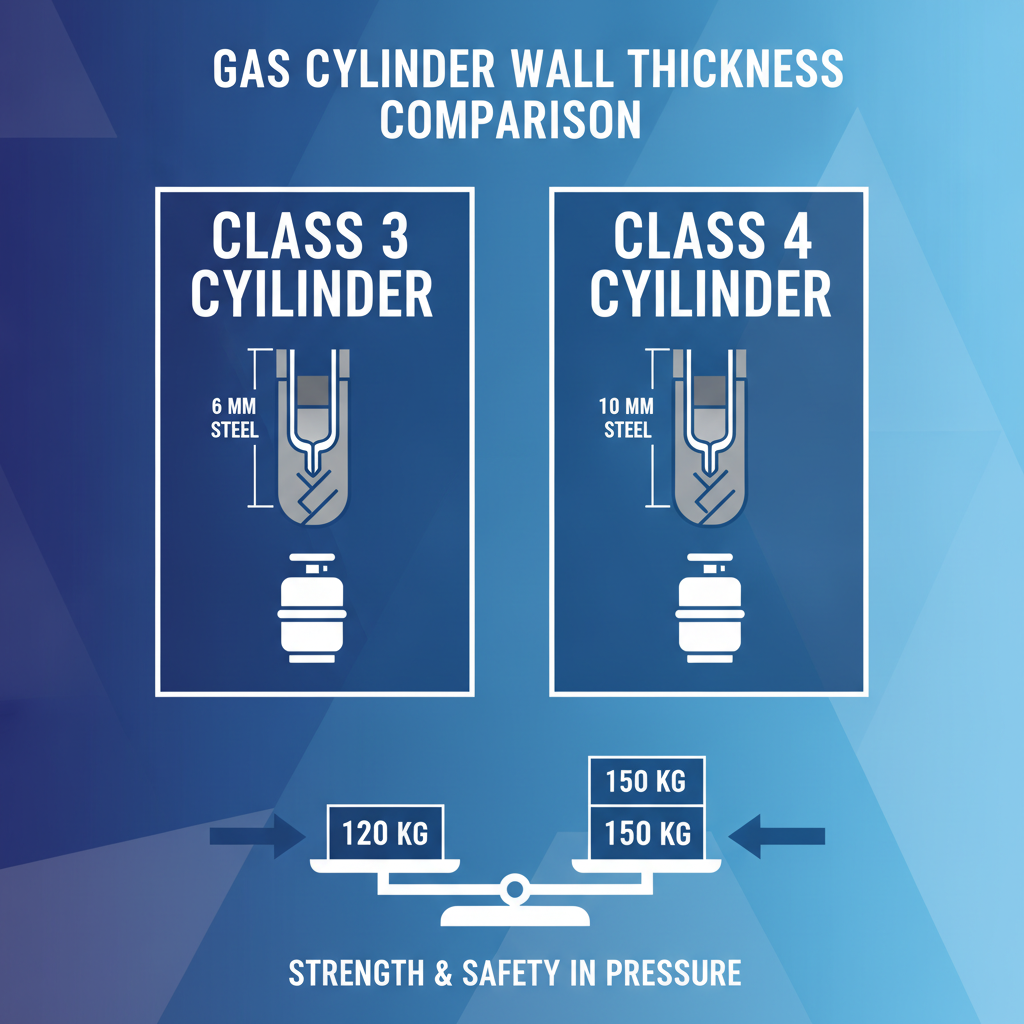
Gas lifts are not all manufactured to the same standard. They are categorised into classes based on the thickness of their steel walls. This thickness directly relates to their strength, durability, and the weight they can safely support. A higher class number signifies a thicker, more robust cylinder.
This table outlines the differences and typical applications for each class. It highlights why a high standard is necessary for daily use in a busy Nairobi office.
| Gas Lift Class | Typical Use Case | Maximum Weight Load (Approx.) | Our Recommendation for Kenya |
|---|---|---|---|
| Class 1 | Stools, budget decorative chairs | Up to 90kg | Not recommended for office work |
| Class 2 | Low-end typist/task chairs | Up to 100kg | Avoid; prone to early failure |
| Class 3 | Standard for quality ergonomic chairs | Up to 120kg | The minimum standard to accept |
| Class 4 | Used in heavy-duty, 24-hour use, and executive chairs | Up to 150kg | The gold standard for longevity |
Market Reality in Kenya: The Risk of Low-Grade Gas Lifts
A significant portion of the Kenyan office furniture market is supplied with cheap imports that prioritise a low initial cost. To achieve these prices, manufacturers often downgrade components. The gas lift is frequently the first part to be reduced to a Class 1 or Class 2 cylinder.
The resulting experience is incredibly common. For the first few months, the chair performs as expected. Then, you notice that the chair slowly sinks to its lowest position when you sit down. You pull the lever to raise it, but it gradually descends as soon as you apply your weight. This is the classic symptom of a failed seal in a low-grade gas lift.
This failure transforms your chair from an asset into a liability. It is no longer just an annoyance. The inability to maintain the correct height forces you into a poor posture, leading to back pain, neck strain, and a notable drop in concentration and productivity.
How to Identify a High-Quality Gas Lift
To avoid a poor purchase, you must investigate the chair's components. Reputable suppliers who invest in quality parts will clearly state their specifications. Look for explicit mentions of "Class 3 Gas Lift" or "SGS-Certified Class 4 Cylinder" in the product details.
You should assume the cylinder is a lower-grade Class 2 if the class is not mentioned. Also, look for internationally recognised certifications like BIFMA (Business and Institutional Furniture Manufacturer's Association) or SGS. These bodies conduct rigorous stress tests on components, and their certification is a strong indicator of a durable product.
Beyond the Gas Lift: Other Factors in Chair Durability
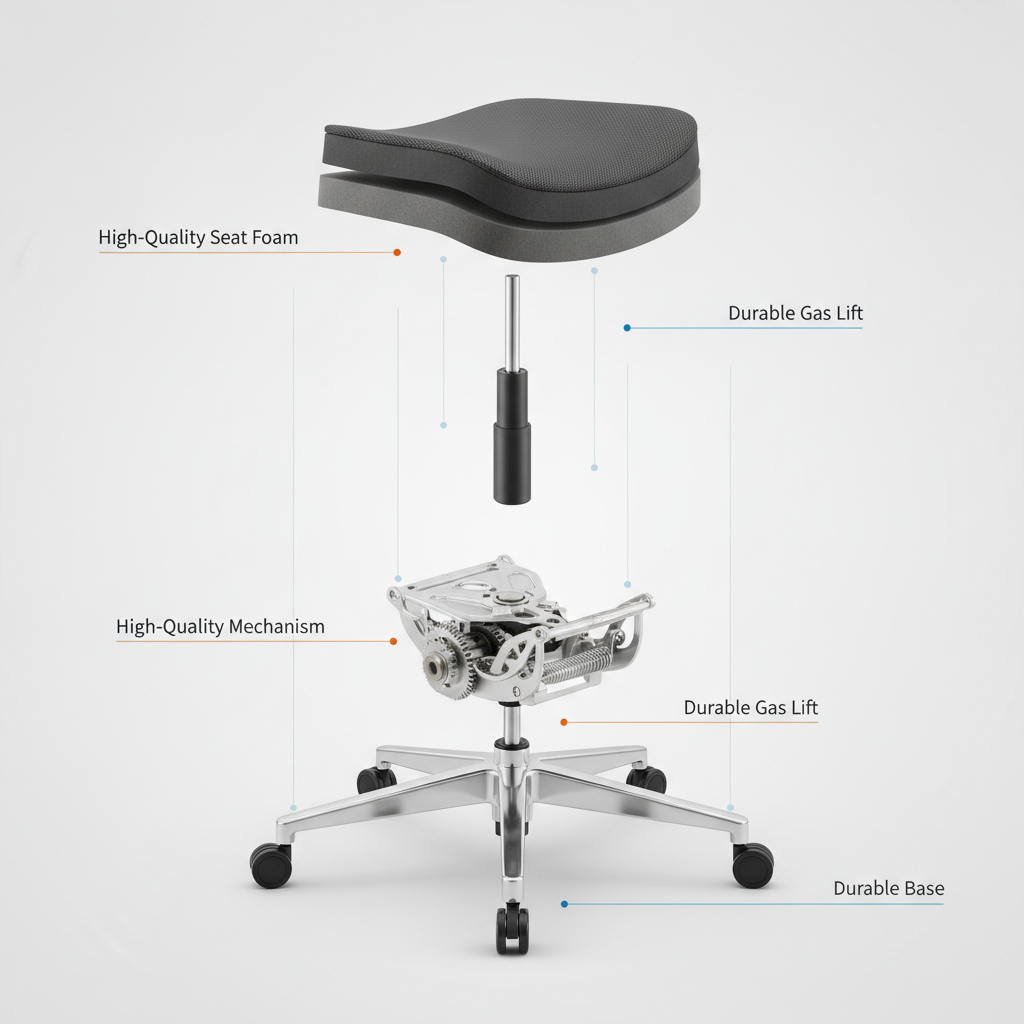
The gas lift is the heart of the chair's adjustable function, but it works as part of a larger system. For true longevity, you should also evaluate these other critical components:
- The Chair Base: A standard nylon base is adequate for light use, but a polished aluminium or steel base provides superior strength. This stronger base resists cracking at the castor wheel sockets, a common failure point under the strain of daily movement.
- The Mechanism: Look for more than a simple height adjustment lever. A synchronous-tilt mechanism, which reclines the backrest and seat together at an ergonomic ratio, distributes stress more evenly across the chair's structure and supports your body better.
- Foam Density: The seat cushion is equally important. High-density moulded foam holds its shape and supportive qualities for years, a critical feature in high-performance orthopedic chairs. Cheaper, low-density cut foam will flatten quickly and leave you sitting on the hard seat pan.
Shifting Buyer Expectations in Kenya
Kenyan consumers and business managers are becoming more knowledgeable. Many have experienced the "buy cheap, buy twice" cycle and now look past the initial price tag. They demand transparency and long-term value from their furniture suppliers.
This shift reflects a growing appreciation for clear specifications and robust build quality. Businesses understand that a durable chair with a Class 3 or 4 gas lift is an investment in employee well-being and sustained productivity, not just another office expense.
Your Final Checks: Warranty and Spare Parts
Your final check before buying should be the warranty. Ask the supplier directly about the warranty period, and pay specific attention to the coverage for the mechanism and the gas lift. A one-year warranty should be the absolute minimum.
A warranty is only effective if the supplier can service it. You should ask if they stock office chair spare parts like gas cylinders and castors. A supplier who carries spares demonstrates a commitment to the product's entire lifecycle, not just the initial sale. This provides greater peace of mind for your purchase.
Office Furniture Specialist's Recommendation
For any professional or home office environment where a chair will be used for more than two hours a day, do not consider any product that does not explicitly state it uses a BIFMA or SGS-certified Class 3 or Class 4 gas lift. The small additional upfront cost is a minor price for a chair that will provide years of reliable, comfortable, and ergonomic support. This is the single best way to ensure your purchase is an investment in your well-being, not a future problem.
Need Office Chairs?
Browse our collection of office chairs at competitive prices. Fast delivery anywhere in Kenya.