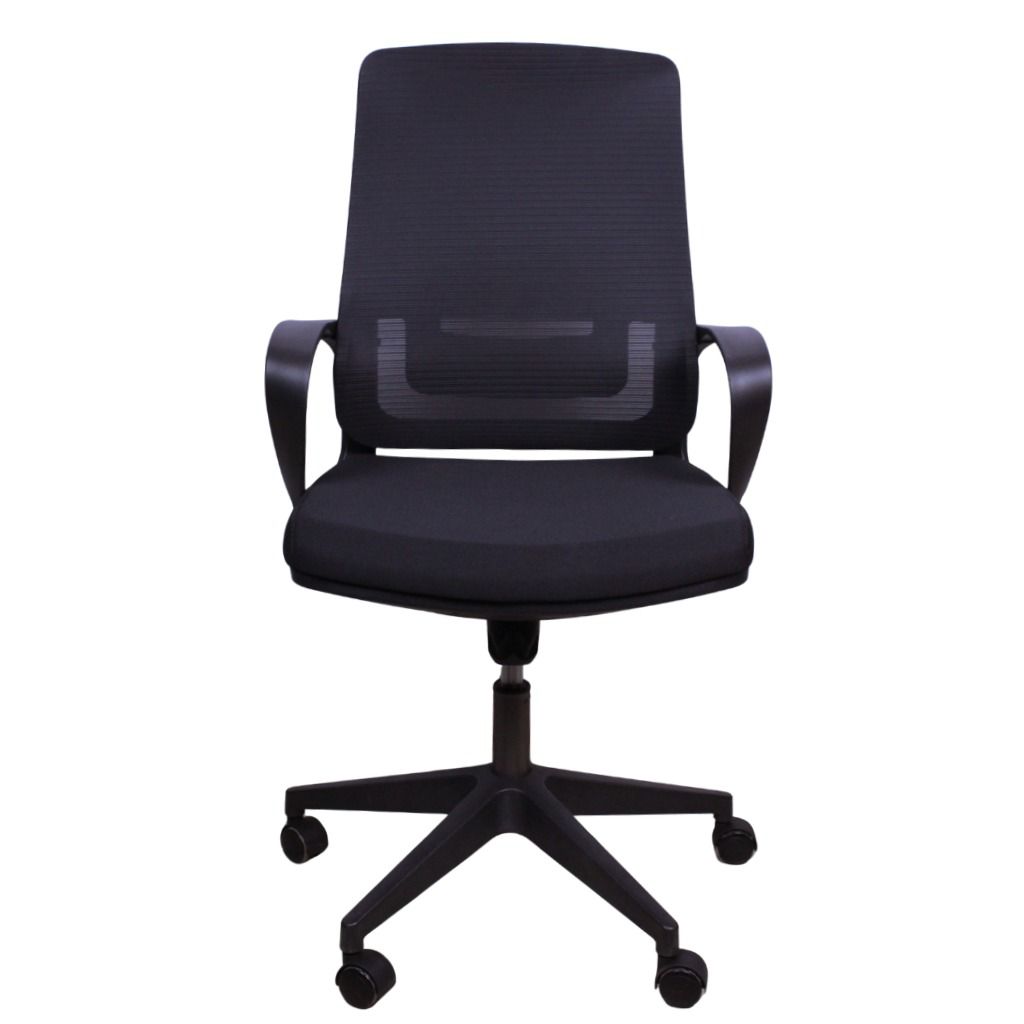
Office chairs from general retailers like Victoria Courts provide stylish and accessible options, often serving as a starting point for furnishing a home or small office in Kenya. For professionals spending full workdays at a desk, the distinction between a chair designed for appearance and one engineered for biomechanical support is crucial for long-term health and productivity. When you are ready to browse products from a specialist, the focus shifts entirely.
An investment in a true ergonomic chair requires looking beyond initial showroom comfort. It demands a detailed assessment of how the chair fits your specific body, supports your spine through a full day of work, and moves with you, not against you.
Victoria Courts Office Chairs: Aesthetics, Price Points, and Initial Appeal
The primary appeal of office chairs at general furniture retailers is often visual. Chairs are presented to match a certain decor, be it sleek, modern, traditional, or minimalist. They feel comfortable for the few minutes you test them in the store, and the price points are frequently attractive.
These chairs serve an important purpose for occasional use or for creating a cohesive look. Their adjustability, however, is typically limited to basic height and tilt functions. These features may not be sufficient to prevent the strain that builds over a 40-hour work week.
Biomechanical Support: The Foundation of a True Ergonomic Chair
Biomechanical support defines how a chair interacts with your body's structure and movement. A quality ergonomic office chair is designed to maintain the natural 'S' curve of your spine, which reduces pressure on spinal discs and muscles. This is not about a soft cushion; it is about active, structured support.
The backrest must encourage an upright posture, while the seat should distribute your weight evenly without cutting off circulation. A proper mechanism allows for gentle, fluid movement. This active support system helps reduce fatigue, improve focus, and prevent the gradual development of musculoskeletal issues.
Key Specifications: Seat Pan Depth and Weight Capacity
Specialist retailers focus on two details often overlooked in general showrooms: seat pan depth and weight capacity. Seat pan depth is the distance from the front of the seat to the backrest. An incorrect depth can press into the back of your knees and restrict blood flow. It can also fail to support your thighs, causing you to slouch.
Weight capacity classes are more than a safety limit; they directly indicate the chair's build quality. A chair rated for a higher capacity, such as a heavy duty chair, uses a more robust gas lift, a stronger base, and more durable mechanisms. This construction ensures the chair remains stable and functional for years under regular daily use.
The Home Office Choice: Appearance vs. Ergonomic Function
The choice for a home office chair often presents two conflicting priorities: appearance versus function. A decorative chair might complement your living room aesthetic but leave you with a stiff lower back by midweek. Its fixed armrests could force your shoulders to hunch as you type, leading to neck strain.
A health-focused ergonomic chair is chosen like a piece of essential equipment. Its value is felt, not just seen. The ability to fine-tune every aspect, from lumbar pressure to armrest position, translates directly into physical relief and sustained concentration throughout the workday.
How to Find Specialist Ergonomic Chair Retailers in Kenya
A specialist ergonomic provider asks questions before suggesting a product. Staff should inquire about your height, weight, the hours you spend seated, and the nature of your work. These details are essential for making a proper recommendation.
Look for showrooms in Nairobi that carry reputable international ergonomic brands and allow you to test chairs for more than a few minutes. A true specialist will guide you through the adjustments, explaining how each feature benefits your specific posture and build to ensure you make an informed choice.
The Real Cost: Health, Productivity, and Return on Investment
Initial savings on a non-ergonomic chair can be quickly overshadowed by hidden costs. Chronic back pain, repetitive strain injury (RSI), and persistent discomfort lead to distraction, reduced productivity, and potential medical expenses. A poor chair actively works against your ability to perform at your best.
Investing in a high-quality ergonomic chair delivers a clear return on investment. The cost is offset by sustained productivity, fewer health complaints, and improved employee morale. For a business, providing proper seating is a foundational element of workplace wellness and operational efficiency.
Custom Chair Modifications and Consultations in Nairobi
A standard ergonomic chair may not be enough for individuals with specific physical requirements or pre-existing conditions. Specialist consultants in Nairobi can offer in-depth workplace assessments. They can recommend specific chairs or suggest modifications to existing ones.
This service can include fitting a chair with a different type of gas lift for non-standard desk heights, adding specialised castors for delicate flooring, or incorporating unique headrests. This level of customisation ensures the chair provides perfect support tailored to individual needs, often using readily available office chair spare parts.
Chair Materials and Upholstery for the Nairobi Climate
The material of your chair directly impacts daily comfort, especially in the warm Nairobi climate. Each option offers a distinct sensory experience and practical benefits.
Breathable Mesh Advantages
A mesh back is an excellent choice for maintaining comfort throughout the day. It allows for continuous air circulation, which helps dissipate body heat and prevents the sticky, uncomfortable feeling common with solid-back chairs during warmer afternoons.
Durable Fabric Options
High-quality commercial-grade fabric offers a softer, more tactile feel. It provides a comfortable seating surface that is both durable and available in a wide array of colours to match your office interior. It is often the standard for hardworking task chairs.
Premium Leather Considerations
Leather and high-quality leatherette options provide a sense of luxury and are exceptionally easy to clean. They are ideal for executive offices or boardroom settings where a premium aesthetic is desired. These materials, however, are less breathable than mesh or fabric.
| Material | Primary Benefit | Ideal Environment | Consideration |
|---|---|---|---|
| Mesh | Superior breathability and airflow | Warm climates, long work sessions | May feel less plush than fabric |
| Fabric | Comfort, durability, and colour choice | General office and task-heavy roles | Can be more difficult to clean than leather |
| Leather/Leatherette | Premium look and easy to wipe clean | Executive offices, boardrooms | Less breathable, can feel warm |
Essential Adjustability Features for Personalised Support
The true value of an ergonomic chair lies in its adjustability. These features allow you to tailor the chair to your body, not the other way around.
Seat Pan Depth and Slide Mechanisms
A seat slide allows you to adjust the depth of the seat pan. The ideal position leaves a gap of about three fingers between the front edge of the seat and the back of your knees. This ensures your thighs are fully supported without restricting circulation to your lower legs.
Adjustable Lumbar Support Systems
This feature lets you change the height and depth of the support in the lower backrest. A properly positioned lumbar support fits into the natural curve of your spine, preventing slouching and reducing strain on your lower back muscles.
Armrest Types: Height, Swivel, and Depth
Adjustable armrests, often called 3D or 4D, allow you to position them so your elbows can rest at a comfortable 90-degree angle. This function takes the weight of your arms off your shoulders and neck, significantly reducing the risk of upper body strain.
Tilt Mechanisms: Synchro-Tilt and Knee-Tilt
A quality tilt mechanism encourages movement. A synchro-tilt is a superior feature where the backrest reclines at a greater ratio than the seat, often 2:1. This opens up your posture as you lean back, promoting better circulation and spinal alignment, unlike a basic tilt that lifts your feet off the floor.
Weight Capacity and Warranty: Indicators of Quality
The specifications of a chair are crucial for ensuring it is a durable, long-term asset for your office.
Weight Classifications and Structural Durability
Office chairs are tested and certified for different weight capacities. A standard task chair is often rated for up to 110-120 kg. Heavy-duty or 24-hour chairs are built with reinforced frames and mechanisms, often supporting up to 150 kg or more, which signals a much more robust build for any user.
Warranty Coverage and After-Sales Support in Kenya
A long warranty, typically 5-10 years on ergonomic chairs, is a manufacturer's promise of quality. Check what the warranty covers, whether it is the entire chair or just certain parts. Crucially, ensure the retailer in Kenya can honour that warranty with local after-sales support for repairs or parts replacement.
Budget, Assembly, and Delivery for Ergonomic Chairs
A realistic budget is necessary for an ergonomic investment, with options available across different price points.
Ergonomic Chair Price Tiers in Kenya
Entry-level ergonomic chairs with basic adjustments start from approximately KSh 25,000. Mid-range models with more refined mechanisms and better materials typically fall between KSh 40,000 and KSh 75,000. Premium, internationally recognised brands with extensive warranties can cost upwards of KSh 100,000.
Assembly Requirements and Professional Installation Costs
Most chairs arrive flat-packed and require assembly. Many can be assembled with the included tools, but professional assembly ensures it is done correctly and safely. Some suppliers offer this service for a fee, which saves you time and effort.
Efficient Delivery Options Across Nairobi and Beyond
Reputable furniture suppliers in Kenya offer reliable delivery services across Nairobi and to other major towns. Confirm delivery costs and timelines before purchase to ensure a smooth process from buying to sitting.
The Final Decision: An Investment in Long-Term Well-being
Choosing the right office chair is a healthcare decision disguised as a furniture purchase. Moving beyond the aesthetic appeal offered by general stores and engaging with the technical specifics of ergonomic design is the only way to secure your comfort and protect your physical health.
By prioritising biomechanical support, tailored adjustability, and build quality from a trusted provider like Office Chairs Market Kenya, you are not just buying a chair. You are investing in a tool that will support your well-being and enhance your productivity for years to come.
Proper Ergonomic Chair Setup: A Step-by-Step Guide
Once your new chair arrives, proper setup is essential to activate its full ergonomic potential. Follow these simple steps to tailor it perfectly to your body and workstation.
- Set Your Seat Height: Adjust the chair height so your feet are flat on the floor and your knees are at a 90-degree angle, level with or slightly below your hips.
- Adjust the Seat Depth: Sit back fully in the chair. Use the seat slide mechanism so you have a gap of two to three fingers' width between the front edge of the seat and the back of your knees.
- Position the Lumbar Support: Adjust the lumbar support's height and depth to fit snugly into the natural curve of your lower back. You should feel supported, not pushed forward.
- Align Your Armrests: Lower or raise the armrests until your elbows can rest comfortably at a 90-degree angle while you type. Your shoulders should be relaxed, not hunched.
- Set the Recline Tension: Adjust the tension knob, usually under the seat, so the chair reclines with a gentle push but still supports you when you sit upright. This encourages active sitting and movement.