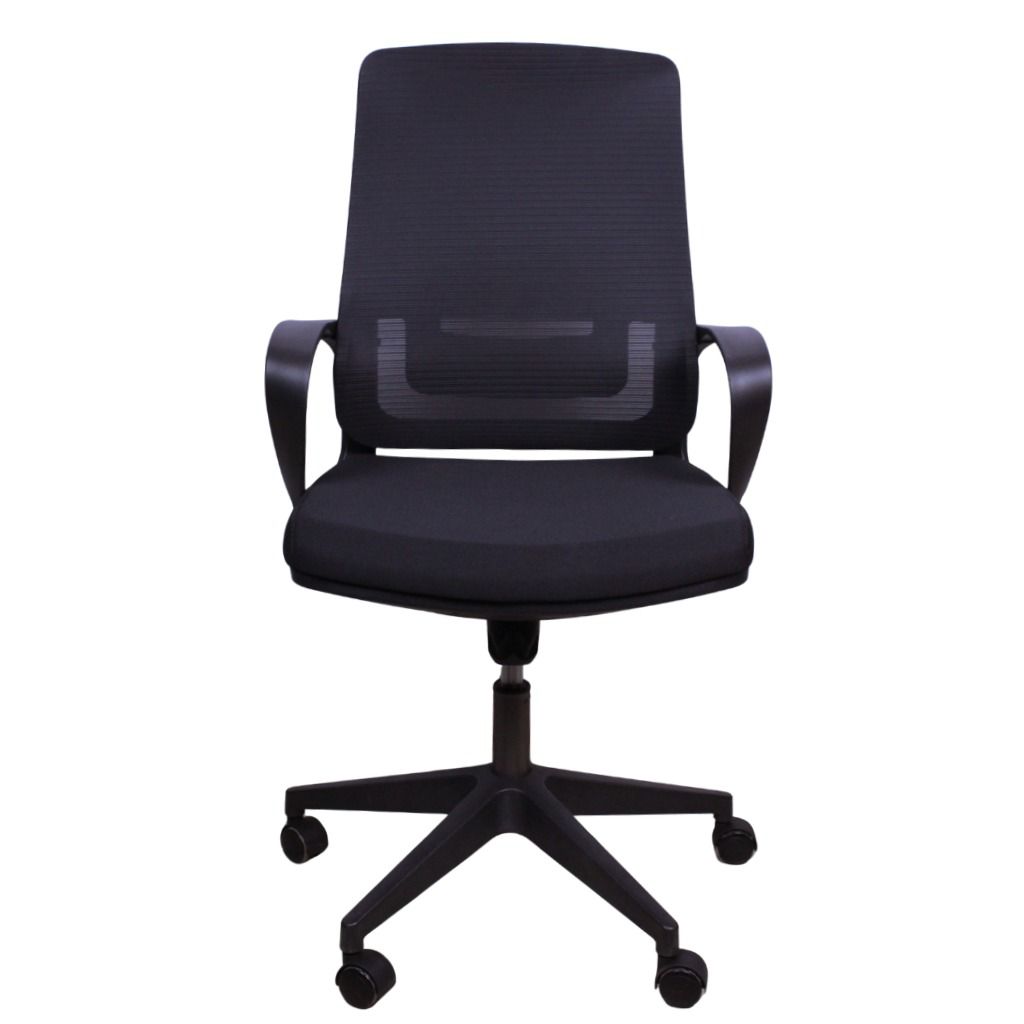
A synchro-tilt office chair uses an advanced mechanism where the backrest reclines at a greater rate than the seat, typically a 2:1 ratio. This design supports your body's natural movement throughout an 8-hour workday. Dynamic support is fundamental for maintaining correct posture, improving circulation, and preventing the back pain that comes from sitting in a static position. Many high-quality ergonomic office chairs feature this mechanism as a standard for all-day comfort.
How the Synchro-Tilt Mechanism Functions
The synchro-tilt mechanism is an engineering solution designed to mirror the way your body moves. It prevents the awkward posture that simpler chair mechanisms can create when you lean back, where your feet may lift off the floor.
Synchronized Movement
When you recline, the backrest tilts back two degrees for every one degree the seat pan tilts up. This 2:1 ratio is key to its ergonomic design. The slight lift of the seat pan stops you from sliding forward, while the greater recline of the backrest opens your hip angle, which reduces pressure on your lower back and thighs.
This synchronized action keeps your feet firmly on the floor, maintaining a stable base. It also ensures your eyes can stay focused on your monitor without straining your neck, even as you shift position.
Recline Ratios and Tension Control
A 2:1 ratio is the most common, but some premium chairs offer different ratios. Nearly all synchro-tilt chairs include a tension control knob under the seat. This allows you to adjust the amount of force required to lean back, matching the resistance to your body weight.
Proper tension adjustment provides balanced support. You can recline with a gentle push and feel securely held in any position, rather than fighting against stiff resistance or feeling the chair fall back too quickly.
Ergonomic Benefits for the 8-Hour Workday
The advantages of a synchro-tilt mechanism become apparent over a full workday. The chair actively works to combat the physical stresses of prolonged sitting.
Spinal Alignment and Pressure Reduction
The mechanism encourages 'active sitting,' allowing for subtle movements that help keep your spine in a healthy, neutral alignment. As you recline, the chair supports the natural 'S' curve of your spine, which significantly reduces pressure on the lumbar vertebrae and intervertebral discs. This is a core feature of well-designed orthopedic chairs.
This constant support helps you end the day without a common ache in your lower back. It can prevent long-term postural problems that arise from static, unsupported sitting.
Improved Blood Flow
By opening the angle between your torso and thighs when you recline, a synchro-tilt chair improves blood circulation to your lower body. Standard tilt mechanisms do not provide this benefit effectively.
Better circulation prevents the numbness or swelling in the legs and feet that can occur after hours at a desk. This helps you feel more energised and less fatigued throughout the afternoon.
Synchro-Tilt vs. Standard Tilt: A Comparison
The distinction between chair mechanisms directly impacts your daily comfort and long-term health, making it an important factor in your purchasing decision.
Limitations of Conventional Tilt Mechanisms
A conventional tilt mechanism pivots at a single point, causing the seat and backrest to tilt backwards together at a 1:1 ratio. When you lean back in this type of chair, your feet often lift from the floor, and the front edge of the seat can press into the back of your thighs.
This "rocking chair" motion disrupts your posture, strains your lower back, and can impede circulation. It is not suitable for the dynamic support required for an 8-hour workday.
The Synchro-Tilt Advantage for Extended Use
The synchro-tilt mechanism provides a more sophisticated, body-conscious movement. It is designed to support you as you shift positions throughout the day, which is vital for ergonomic health.
| Feature | Standard Tilt Mechanism | Synchro-Tilt Mechanism |
|---|---|---|
| Recline Ratio | 1:1 (Seat and backrest move together) | 2:1 (Backrest reclines twice as much as seat) |
| Posture Support | Poor; can lift feet off the floor and strain back | Excellent; maintains spinal alignment and stable footing |
| Circulation | Can be restricted due to pressure on thighs | Promoted by opening the hip angle |
| Ideal Use Case | Short-term use, such as in boardroom chairs | All-day task work (8+ hours) |
Key Features of a Quality Synchro-Tilt Chair
The synchro-tilt mechanism is the core of an ergonomic chair, but other adjustable features are necessary to provide a truly personalised fit.
Adjustable Lumbar Support
A quality synchro-tilt chair should have adjustable lumbar support. Look for a chair where you can change the height and depth of the support to match the curve of your lower back. This provides targeted relief where it is most needed.
Seat Depth and Armrest Adjustments
A seat depth adjustment, also known as a 'seat slider', allows you to position the seat pan correctly. Your back should be fully supported while leaving a gap of two to three fingers behind your knees to prevent pressure.
Adjustable armrests are also critical. They should move up and down so your elbows can rest at a 90-degree angle, which reduces strain on your shoulders and neck while typing.
Material and Durability
The chair's materials contribute to comfort and longevity. A breathable mesh back, found on many modern mesh office chairs, allows for air circulation to keep you cool. A seat made of high-density moulded foam provides firm support that resists compression over time.
Longevity and Care for Your Synchro-Tilt Chair
A quality ergonomic chair is an investment. Proper care will ensure its mechanism functions smoothly and reliably for years.
Routine Cleaning and Inspection
Simple, regular maintenance is effective. Perform these checks monthly:
- Wipe down all surfaces with a damp cloth to remove dust.
- Check that all bolts and screws, particularly in the mechanism, are tight.
- Clean the castors to remove hair and dirt that can impede smooth rolling.
Troubleshooting Common Issues
Most common chair problems have simple fixes. If the mechanism begins to squeak, an application of silicone-based lubricant on the moving joints will usually solve the issue.
If the gas lift feels weak or sinks, it may need to be replaced. This is a standard component that can be found among our office chair spare parts. For more complex issues, our chair repair services can assist.
The Return on Investment in Ergonomic Seating
For business owners and facility managers, investing in chairs with synchro-tilt mechanisms delivers a tangible return. It is a strategic decision that benefits both employees and the company.
Reduced Workplace Health Costs
Musculoskeletal disorders from poor seating are a leading cause of employee absenteeism in Kenya. Providing proper ergonomic chairs directly reduces physical complaints, leading to fewer sick days and lower long-term health-related costs.
Improved Employee Focus and Output
Comfort is directly linked to concentration. When employees are not distracted by back pain or neck strain, they can maintain focus on their tasks. This sustained concentration translates to higher quality work and increased productivity.
Ergonomic Standards and Their Importance for Kenyan Businesses
Adopting global best practices in office ergonomics gives Kenyan businesses a competitive edge. It shows a commitment to modern workplace standards and employee well-being.
BIFMA Standards and Compliance
The Business and Institutional Furniture Manufacturers Association (BIFMA) sets globally recognised standards for office furniture safety and performance. A BIFMA-compliant synchro-tilt chair has undergone rigorous testing for durability, stability, and ergonomic function.
Enhanced Employee Welfare and Retention
In Kenya's competitive job market, top talent seeks employers who invest in their well-being. High-quality ergonomic seating is a visible, daily reminder that a company values its people. This can be a powerful tool for improving morale and retaining employees.
How to Source Synchro-Tilt Chairs in Kenya
When purchasing for your Kenyan office, knowing what to look for ensures you get the best value and long-term performance.
Key Considerations for Buyers
Prioritise suppliers with a physical showroom. The ability to sit in a chair and test its synchro-tilt mechanism, lumbar support, and other adjustments is invaluable. You can visit our store in Nairobi to test our range. Pay attention to the quality of the chair base and castors, ensuring they are robust enough for your office flooring.
Warranty and After-Sales Support
A reliable warranty indicates a quality product. Look for vendors in Kenya who offer a multi-year warranty of 3-5 years on the chair's mechanism and components. Enquire about their after-sales support for potential repairs to protect your investment.
Synchro-Tilt: The Foundation of Office Comfort
Using a synchro-tilt mechanism is more than buying a new chair; it's about adopting a healthier, more productive way of working. It is an essential tool for anyone who spends their day at a desk.
By providing support that moves with you, a synchro-tilt office chair allows you to focus on your work, free from physical discomfort. It is a foundational element of a modern, ergonomic workspace. Browse our online office chair shop to find a model that fits your needs.
Proper Adjustment Steps for Your Synchro-Tilt Chair
Once you have your new chair, a few minutes of proper adjustment can make a significant difference. Follow these steps to tailor the chair to your body.
- Set Seat Height: Adjust the height so your feet are flat on the floor and your knees are at a 90-degree angle. Your thighs should be parallel to the ground.
- Adjust Seat Depth: Sit all the way back. Slide the seat pan until you have a gap of two to three fingers' width between the back of your knees and the edge of the seat.
- Position Lumbar Support: Move the lumbar support up or down to fit into the curve of your lower back. It should feel supportive, not forceful.
- Fine-Tune Armrests: Adjust armrest height so your shoulders are relaxed and your elbows rest lightly at a 90-degree angle.
- Calibrate Recline Tension: Unlock the recline. Turn the tension knob until you can lean back with a gentle push and feel supported, without straining or feeling a sudden drop.
- Use the Tilt-Lock: Find a slightly reclined position that is comfortable for work and use the multi-lock feature to hold it there. Unlock it and move around periodically to encourage circulation.