Most durable office chair (2026)
The most durable office chairs feature a specific set of heavy-duty internal components. These parts include a certified Class 4 gas lift, a reinforced 350 mm aluminium five-star base, a heavy-duty tilt mechanism, and 60 mm anti-abrasion casters. This specific construction supports user weights up to 155 kg.
A chair's durability comes from its engineered core, not its surface aesthetics or upholstery. This focus on internal mechanics corrects the common misconception that fabric quality dictates an office chair's lifespan. These heavy-duty specifications often align with Kenyan public procurement standards, such as those from the Kenya Medical Supplies Authority (KEMSA).
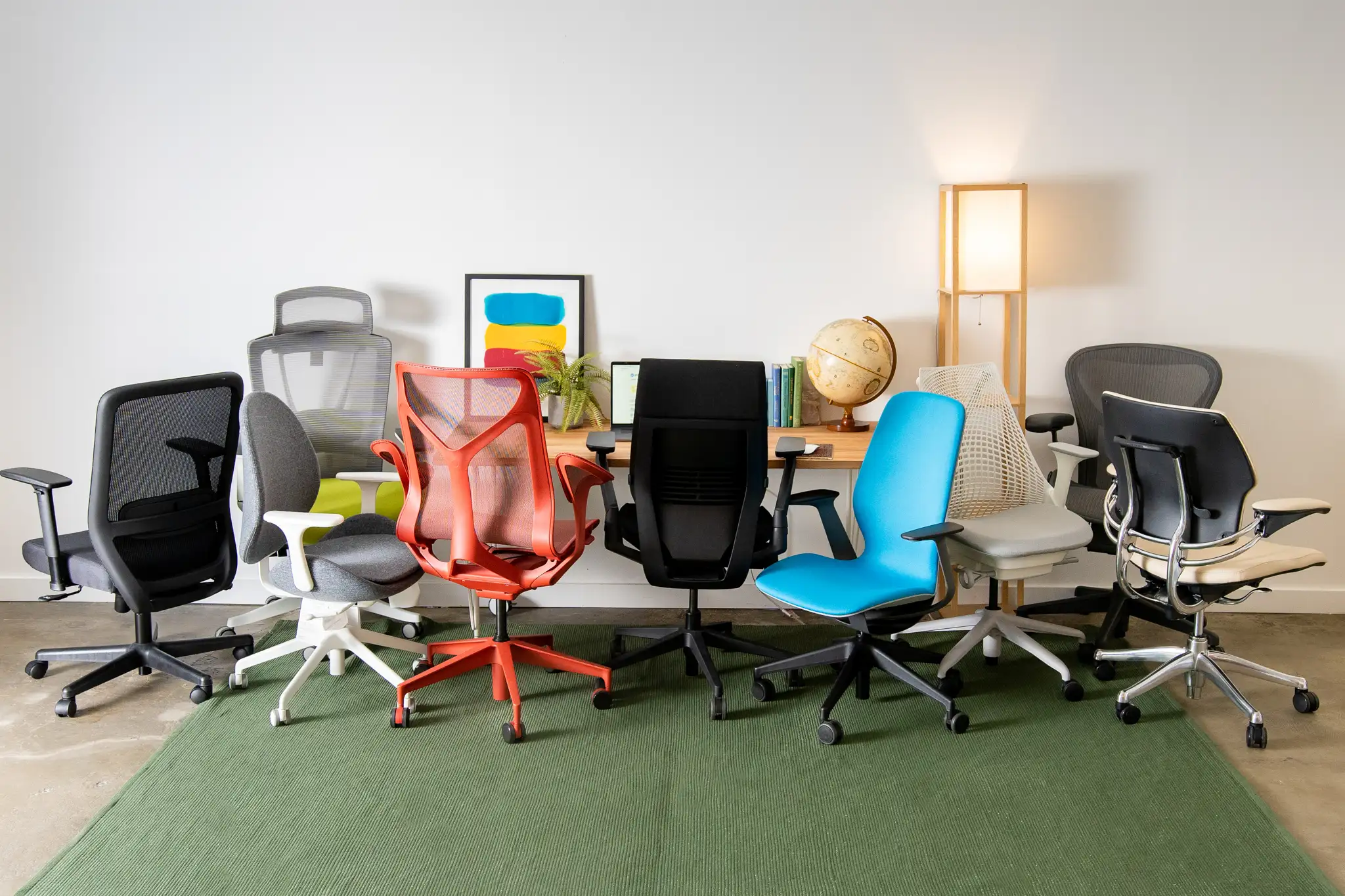
What Is a Class 4 Gas Lift?
A gas lift is the pneumatic cylinder that controls the height of an office chair. Gas lifts are certified under a class system from 1 to 4, where Class 4 represents the highest standard for durability and safety. A Class 4 gas lift has thicker steel walls and a larger cylinder diameter to support more weight and higher gas pressure.
A Class 4 gas lift provides a longer service life than lower-class models. The lift's superior construction prevents sinking or failure under continuous daily use and supports user weights up to 155 kg. Specifying a Class 4 gas lift is a key step in preventing common chair failures in a professional Kenyan office.
.webp)
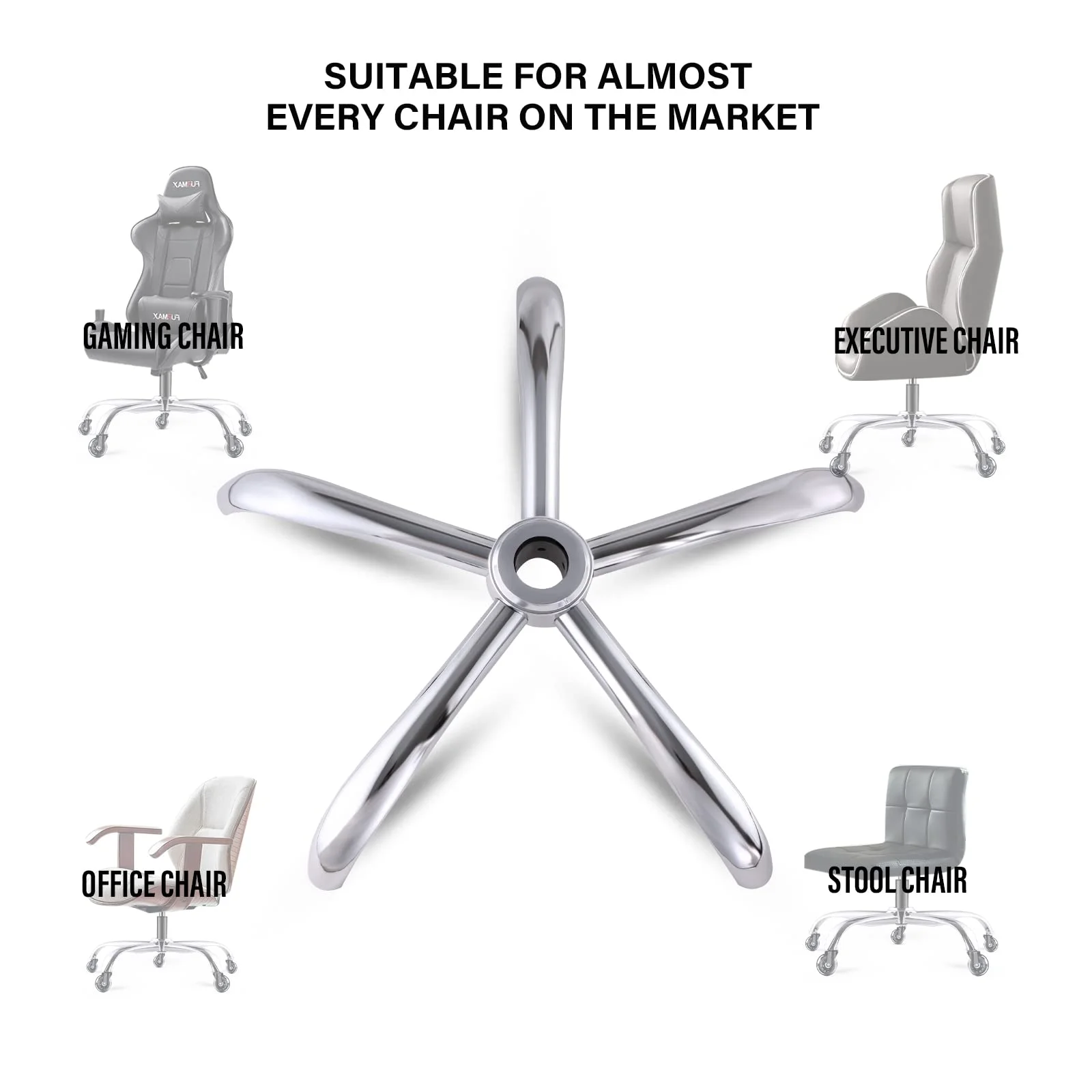
Why a Reinforced Aluminium Base is More Durable
A reinforced or cast aluminium five-star base provides superior stability and strength compared to standard nylon or plastic bases. Aluminium construction resists cracking and fatigue fractures under heavy loads. A 350 mm diameter specification creates a wider, more stable footprint for the user.
Aluminium maintains its structural integrity over time, unlike plastic which can become brittle. This material makes the base a better long-term investment for busy Kenyan offices with constant chair use. The aluminium base provides a solid foundation that supports the user's weight without failing.
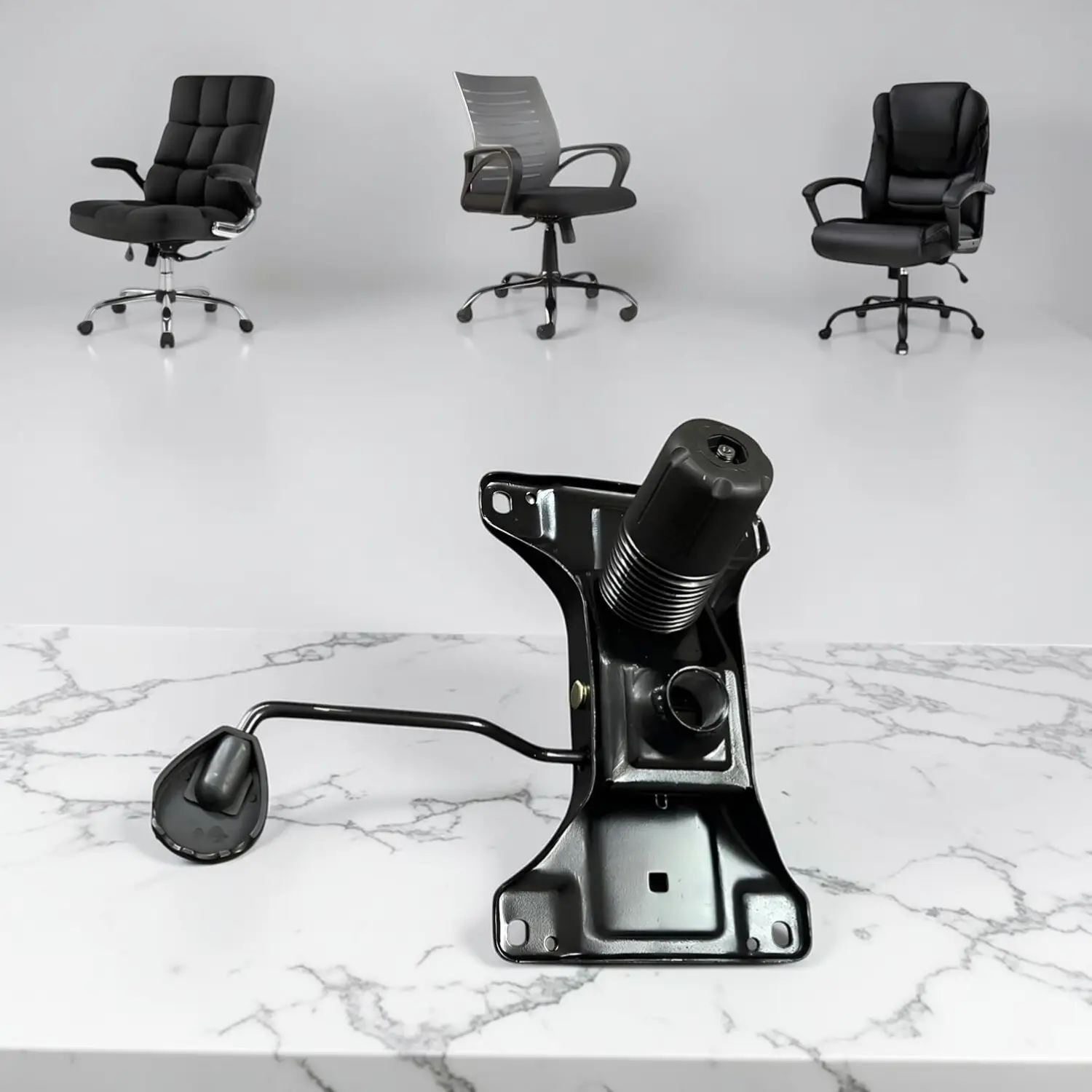
What Defines a Heavy-Duty Office Chair Tilt Mechanism?
A heavy-duty tilt mechanism is the component under the seat that controls reclining and locking functions. The mechanism uses thicker steel plates, stronger springs, and more resilient welds than standard versions. This construction allows the mechanism to withstand the repetitive stress of daily adjustments without breaking.
A high-quality tilt mechanism preserves a chair's ergonomic functions and adjustability throughout its lifespan. The mechanism prevents wobbling and functional failure common in chairs with inferior parts. This ensures consistent recline tension and reliable locking positions for better user posture.
Which Caster Specifications Improve an Office Chair's Durability?
Durable office chair casters have specific features for longevity and floor protection. Higher-capacity, anti-abrasion casters with a larger diameter, such as 60 mm, roll more smoothly and reduce strain. Casters made from polyurethane (PU) or high-grade nylon prevent scratches on office floors.
These caster specifications are suited for Kenyan office environments with varied flooring like tile, laminate, or concrete. Anti-abrasion casters give smooth, quiet mobility without causing floor damage. This design reduces floor maintenance costs and the need for frequent caster replacements.

How Do KEMSA Standards Define a Durable Office Chair in Kenya?
Local standards from bodies like the Kenya Medical Supplies Authority (KEMSA) provide a reliable benchmark for office chair quality. KEMSA tenders for office furniture detail specific, non-negotiable requirements to guarantee durability and safety in high-use environments. Procurement managers can use these public standards to vet suppliers.
A typical KEMSA specification for a durable chair includes a Class 4 gas lift, a 350 mm aluminium base, and 60 mm anti-abrasion casters. The chair must also support a minimum weight capacity of 155 kg. Asking suppliers if a chair meets these local standards helps identify products built for long-term institutional use.
Why Is Local Availability of Replacement Parts Important for Durability?
The local availability of genuine replacement parts is an overlooked factor in an office chair's long-term durability. Gas lifts and casters are the most common components to fail after years of use. If a single part fails and cannot be replaced, the entire chair often needs to be discarded.
Buyers should ask Kenyan suppliers about their policy on providing replacement parts before making a purchase. A supplier who stocks spare gas lifts, casters, and mechanisms offers a clear long-term advantage. The ability to install a new part can double the useful life of a chair, making it a sustainable asset.
How Do Warranty and After-Sales Support Indicate Durability?
A manufacturer's warranty directly indicates confidence in a product's durability. A short 12-month warranty on a heavy-duty office chair may suggest lower-quality components. A warranty of 3 to 5 years covering structural parts like the frame, base, and gas lift shows the chair is built for rigorous use.
Key Questions for Kenyan Suppliers on After-Sales Support
A warranty's value depends on the local supplier's after-sales support. Buyers should ask suppliers in Kenya specific questions to assess their service quality. A reputable supplier will have clear, efficient procedures for handling claims and repairs without disrupting business operations.
- What is the exact process for making a warranty claim?
- Do you handle repairs in-house, and what is the typical turnaround time?
- Are there hidden costs, such as transport for servicing?
What Are the Long-Term Cost Benefits of a Durable Office Chair?
A durable office chair offers a lower total cost of ownership despite a higher initial price. The main financial benefit is a reduced replacement frequency. A well-built chair can last over a decade, eliminating the need to buy lower-quality chairs every two to three years.
Lower maintenance needs provide further cost savings. Investing in quality components minimises recurring repair costs for broken casters, failing gas lifts, or wobbly mechanisms. Sustained ergonomic support also helps maintain employee productivity, reducing indirect costs from work-related discomfort.
Key Specifications for a Durable Office Chair in Kenya
Buyers in Kenya should use this checklist to assess an office chair's durability. The assessment must focus on the specifications of core components rather than surface appearance to ensure a long-term investment.
- Gas Lift Certification: Confirm the chair has a certified Class 4 gas lift for heavy-duty use.
- Base Material and Size: Choose a reinforced or cast aluminium five-star base with a 350 mm diameter.
- Mechanism Type: Ask for a heavy-duty tilt mechanism built with thick steel and quality springs.
- Caster Specification: Look for 60 mm anti-abrasion casters made from polyurethane (PU) or high-grade nylon.
- Weight Capacity: Verify the chair is rated for a minimum capacity of 155 kg.
- Local Standards: Ask if the chair meets specifications from Kenyan bodies like KEMSA.
- Warranty and Support: Confirm a 3-5 year structural warranty and reliable local after-sales service.
- Parts Availability: Inquire about the availability of replacement parts like gas lifts and casters.
Durable Office Chair Specification Summary
| Component | Minimum Specification | Primary Benefit |
|---|---|---|
| Gas Lift | Certified Class 4 | Longevity and safety |
| Base | 350 mm Aluminium | Stability and strength |
| Casters | 60 mm Anti-Abrasion | Mobility and floor protection |
| Weight Capacity | 155 kg Minimum | Structural integrity |
| Warranty | 3-5 Years (Structural) | Quality assurance |
Need Office Chairs?
Browse our collection of office chairs at competitive prices. Fast delivery anywhere in Kenya.