Office Chairs Jiji Kenya: Hidden Risks & Avoiding Scams
The hidden risks of buying used office chairs on Jiji often involve critical mechanical failures.
Depleted gas lifts and broken tilt mechanisms can transform a bargain into a long-term ergonomic hazard. For any Kenyan professional or business manager, understanding these potential pitfalls is crucial to avoid a purchase that compromises productivity and spinal health.
You can find a wide range of new and reliable options in our online office chair shop.
The Allure of Budget-Friendly Used Office Chairs on Jiji
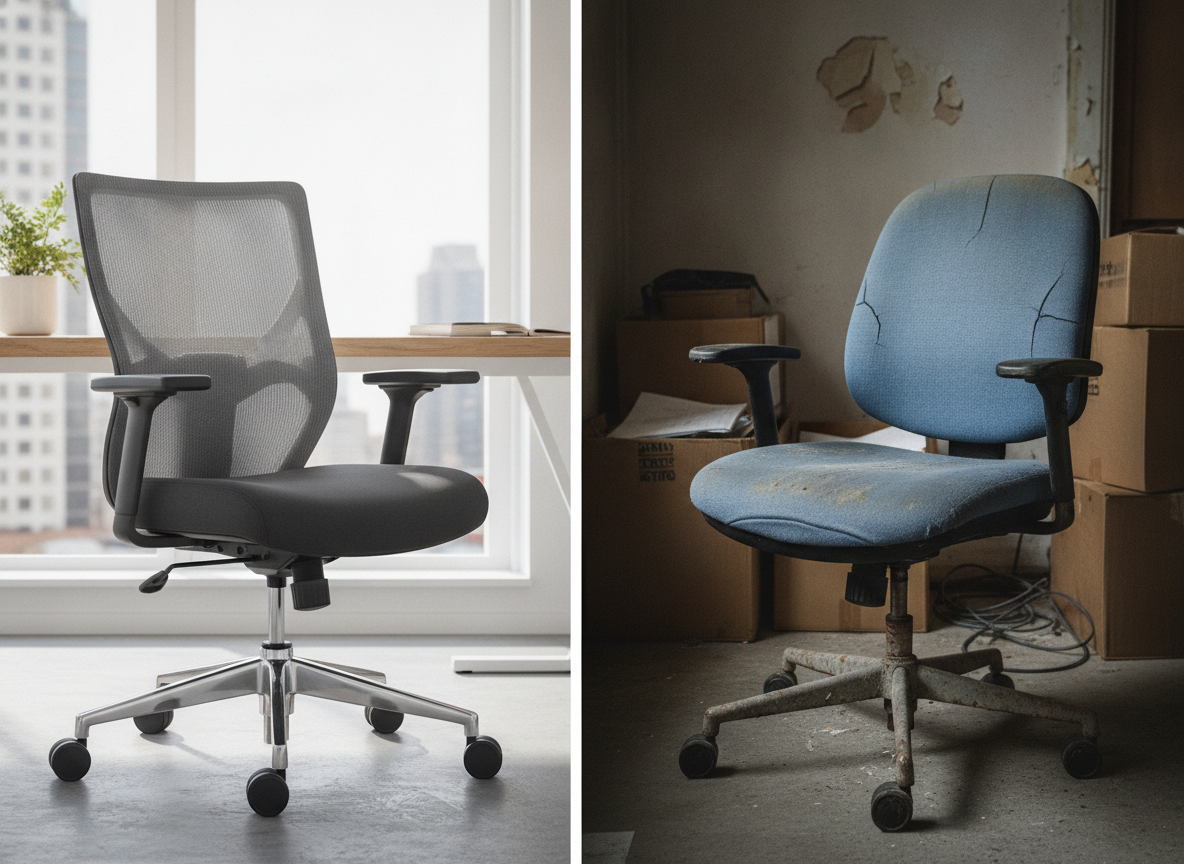
The promise of acquiring a high-end ergonomic chair for a fraction of its retail price is undeniably tempting. For startups, small businesses, and home office setups in Kenya, marketplaces like Jiji appear to be a source of affordable office furniture.
Sellers often list chairs as "ex-UK" or "slightly used," creating an impression of quality and durability.
This initial low cost can seem like a smart financial move, but it often conceals underlying issues that surface only after a few days or weeks of use without a proper inspection.
Critical Mechanical Failures: Gas Lifts, Tilt Mechanisms, and Wheels
Beneath a clean-looking fabric or leather exterior, a used office chair can hide a host of mechanical problems. These issues are not merely cosmetic flaws. They directly impact the chair's safety, comfort, and ergonomic support, rendering it ineffective and potentially harmful.
Gas Lift Failures and Spine Health
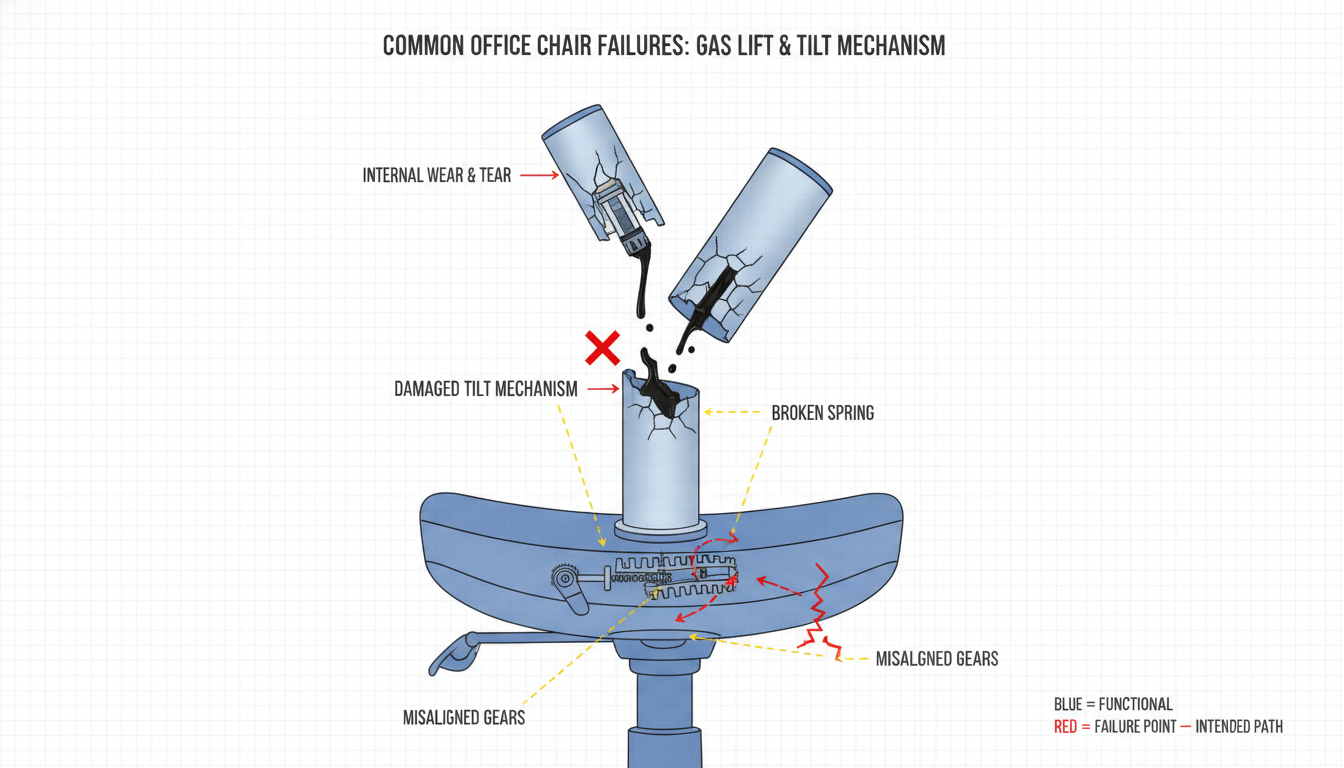
The gas lift, or pneumatic cylinder, is the core of a chair's height adjustment. A common issue with many used chairs sold online is a depleted gas cylinder with worn-out seals, a frequent problem in items marketed as "ex-UK."
The chair might hold its height for a few minutes, but consistent body weight pressure will cause it to sink slowly. This forces you to sit with your knees above your hips and adjust your neck to see the monitor, placing significant strain on your lumbar spine and neck muscles.
A failing cylinder often requires a class 4 replacement gas lift to restore function.
Unreliable Tilt Mechanisms and Posture Risks
A functional tilt mechanism allows for dynamic movement, which is essential for relieving pressure on your spinal discs. In used chairs, these complex mechanisms are often the first components to fail.
The tilt-lock lever may be jammed, trapping the chair in an upright or uncomfortably reclined position. A faulty tension knob that fails to adjust resistance means the chair either flings back without support or will not recline at all. This prevents vital postural adjustments needed during a long workday.
Worn-Out Wheels and Base Instability
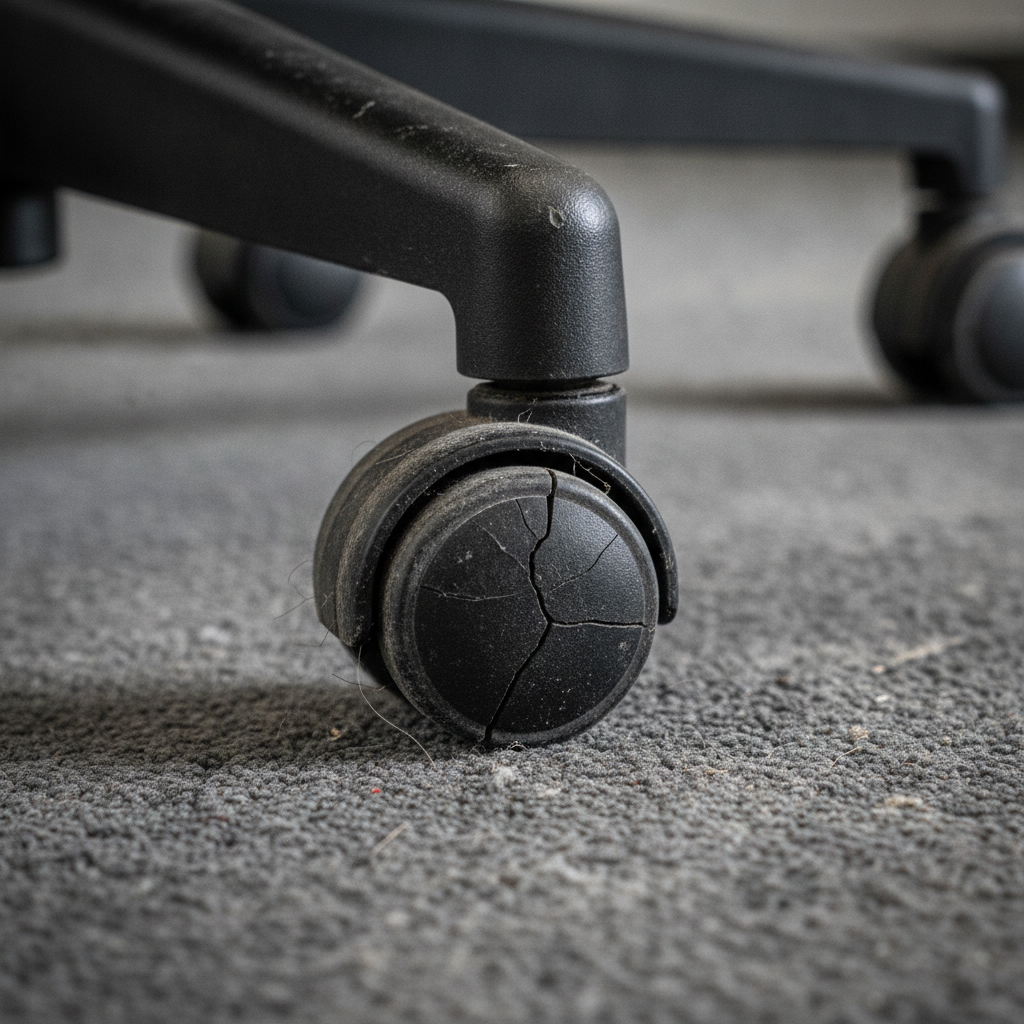
Worn casters or wheels are more than a minor annoyance. They can cause the chair to drag, scratch floors, and make movement around a workspace difficult. Upgrading to soft PU castor wheels can protect floors, but the underlying issue may be the base.
A cracked or stressed five-star base poses a serious safety risk. The instability creates a wobble that distracts from work and could result in the base snapping, leading to a fall.
Ergonomic Impact and Long-Term Health Risks
An office chair is a tool for work, and a faulty one actively works against you. It contributes to musculoskeletal disorders that develop over time. A sinking gas lift can lead to lower back pain, while a broken tilt lock creates static, unsupported postures that strain your shoulders and neck. Investing in proper orthopedic chairs can prevent these issues.
The initial savings on a used chair are often negated by the hidden costs of reduced productivity, discomfort, and potential medical expenses. A chair that fails to support a healthy posture is a liability, not a bargain.
Identifying Unreliable Sellers and Listings on Jiji
Be wary of listings that use stock photos instead of actual pictures of the chair for sale. This tactic is common for hiding tears, stains, or visible damage. Vague descriptions like "good condition" without specific details on the functionality of the mechanisms are also a red flag.
Unreliable sellers often pressure you into a quick sale and discourage a thorough inspection. They may refuse to let you sit in the chair for more than a few seconds or test its adjustments, claiming it is "already wrapped for transport." A transparent seller will encourage you to test the chair properly.
A Step-by-Step Inspection Guide
Never buy a used office chair without performing a hands-on, physical inspection. Allocate at least 10-15 minutes to sit in the chair and methodically test every single function.
Test the Gas Lift and Height Adjustment
Sit in the chair and use the lever to raise it to its maximum height, then lower it to its minimum. The movement should be smooth, not jerky. Most importantly, set it to your desired height and sit in it for at least five minutes to see if it begins to sink, which indicates a failing gas cylinder.
Check the Tilt Lock and Tension Controls
This test is critical. Sit down and lean back to feel the recline action. Engage the tilt-lock lever while in a reclined position. The chair must hold its position securely. If it slips, clicks, or creeps forward, the locking mechanism is broken.
Next, test the tension knob, which is usually a large dial under the seat. Turn it in both directions to confirm the recline resistance becomes tighter or looser. A knob that does not change the tension indicates a faulty control.
Examine the Upholstery and Frame Integrity
Check all fabric or mesh for tears, particularly at the seams. On leather chairs, look for cracks or peeling. Inspect the frame, armrests, and base for any cracks, especially where the base meets the wheels and the gas cylinder.
Assess Wheel Mobility and Base Stability
Roll the chair around on a flat surface. All five wheels should spin freely and pivot smoothly. Lift the chair slightly and try to wobble each wheel to check if it is loose in its socket. Finally, sit and shift your weight from side to side to feel for any instability or creaking from the base.
New vs. Used: The Value of Warranty and Support
A significant factor often overlooked in the quest for a low price is the value of a warranty. A discounted price on a used chair from a marketplace offers zero protection once the transaction is complete.
In contrast, a one-year warranty from a dedicated office furniture retailer is a safety net. It protects you from manufacturing defects and premature failure of key components. This after-sales support and our clear return policy outweigh a minor initial saving, providing assurance and guaranteeing the chair's usability.
| Feature | New Office Chair (from a Retailer) | Used Office Chair (from Jiji) |
|---|---|---|
| Warranty | Typically 1-5 years, covering mechanical parts. | None. The sale is final and "as is". |
| Component Lifespan | Full lifespan as designed (gas lift, foam, mechanisms). | Unknown. Parts may be near the end of their functional life. |
| Ergonomic Integrity | Guaranteed. Foam is firm, support is as designed. | Compromised. Compressed foam, weak mechanisms. |
| Hygiene | Pristine and clean. | Contains dust, allergens, and wear from a previous user. |
| True Cost | Initial price + years of reliable, supported use. | Initial price + potential repair/replacement costs + health costs. |
The Smart Alternative: Modular Ergonomic Chairs
A practical solution that balances cost and quality is the modular office chair. These chairs feature individually replaceable components. If a gas lift fails or an armrest breaks after years of use, you can order specific office chair spare parts instead of replacing the entire unit.
This approach is more sustainable and more cost-effective in the long run. It allows you to maintain a high-quality ergonomic setup without the significant expense of a complete replacement, making it a wise investment for forward-thinking businesses.
Calculating the True Cost Beyond the Listing Price
The true cost of a used chair is not the price on the listing. It includes the initial price plus the cost of necessary repairs, lost productivity from discomfort, and potential long-term health implications.
A KSh 8,000 used chair that needs a new KSh 4,000 gas lift within three months has an actual cost of KSh 12,000. It also fails to provide the reliable support needed to do your best work during that time.
Where to Find Reliable Office Chairs in Kenya
To avoid the risks associated with peer-to-peer marketplaces, it is better to consult established office furniture suppliers in Kenya. Retailers provide warranties, expert advice, and the opportunity to test chairs properly in a showroom. You can visit our store to try a variety of models before you buy.
They can guide you to a chair that fits your body and your budget, ensuring the product you receive is brand new or professionally refurbished to a high standard, with all mechanical parts certified to be in perfect working order.
Making an Informed Decision for Your Health and Budget
The initial cost of a used chair from Jiji may be low, but the potential for hidden mechanical failures and the lack of a warranty make it a significant gamble. Your office chair is the most important tool in your workspace, directly influencing your physical health and daily productivity.
Investing in a new, warrantied ergonomic office chair from a reputable dealer ensures you receive a safe, reliable, and supportive product. This choice protects your posture and provides a better return on investment through years of comfortable and productive use. Browse our product categories to find a chair that meets your needs.
Need Office Chairs?
Browse our collection of office chairs at competitive prices. Fast delivery anywhere in Kenya.