Mesh vs Leather Office Chair: Best for Kenya's Climate?
The mesh vs leather office chair debate for Kenyan businesses often concludes with high-tensile mesh as the preferred choice for its breathability in warm climates.Selecting between mesh office chairs and leather office chairs is a critical investment.. It directly impacts employee comfort and productivity during Nairobi's warm seasons or Mombasa's year-round humidity. Businesses looking to make this investment can view a wide range of products in our online office chair shop.
.png)
Climate Performance and Comfort: Mesh vs. Leather in Kenya
An office chair's material directly interacts with the user's body for hours each day. This choice is especially important in Kenya's varied climate, from upcountry heat to coastal humidity, as it determines daily comfort and focus.
Breathability and Heat Dissipation in Mesh Chairs
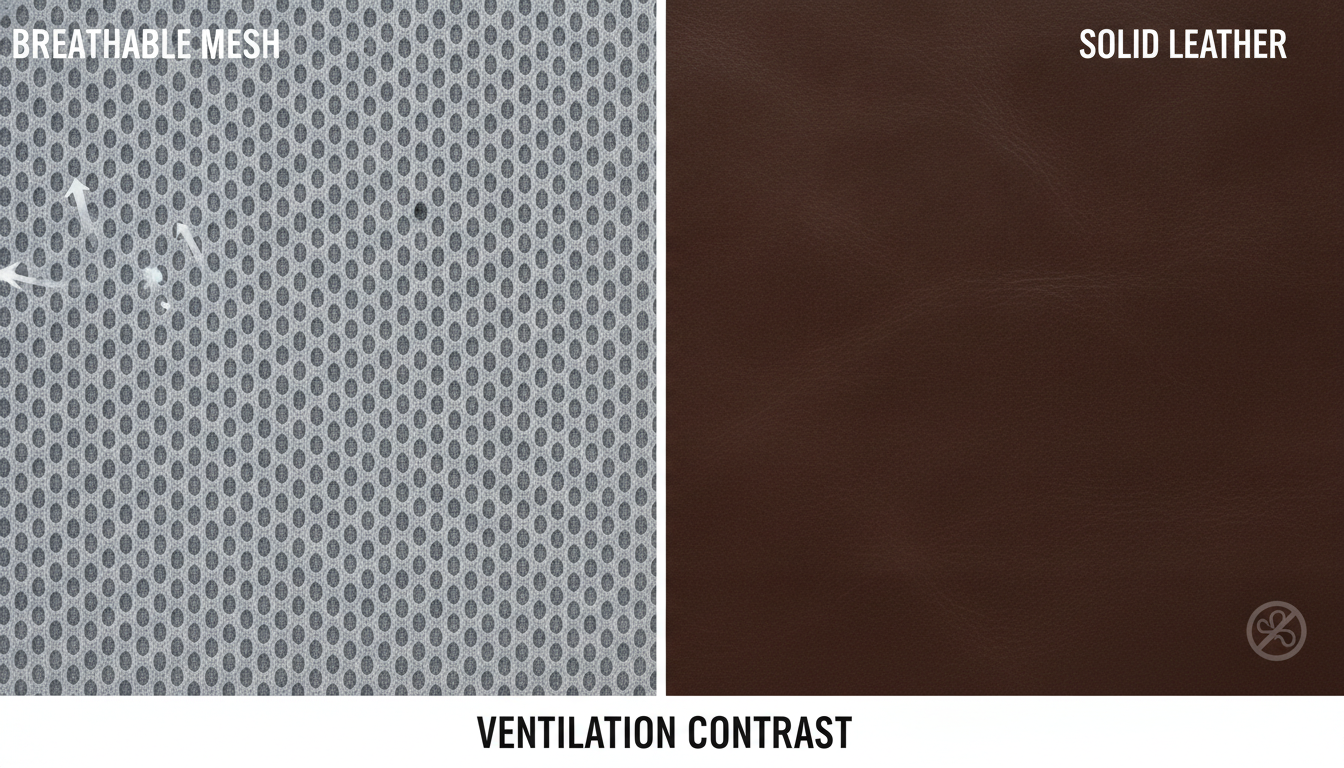
High-quality mesh office chairs feature a woven structure that permits continuous air circulation. This design offers a significant advantage during the warmer months in Nairobi or year-round in cities like Kisumu and Mombasa.
The constant airflow prevents heat and moisture from building up against the user's back. This function reduces sweating and the sticky, uncomfortable feeling common during long periods of sitting, helping staff stay cooler and more focused on their tasks.
Heat Retention and Feel of Leather Chairs
Common polyurethane (PU) or bonded leather office chairs are non-porous. This material traps heat and creates a warming effect that becomes uncomfortable during a hot afternoon.
Genuine leather offers a prestigious feel, but both it and its synthetic counterparts can cause significant sweating. The resulting discomfort leads to distraction and the need to constantly shift positions to cool down.
Humidity Effects on Chair Materials
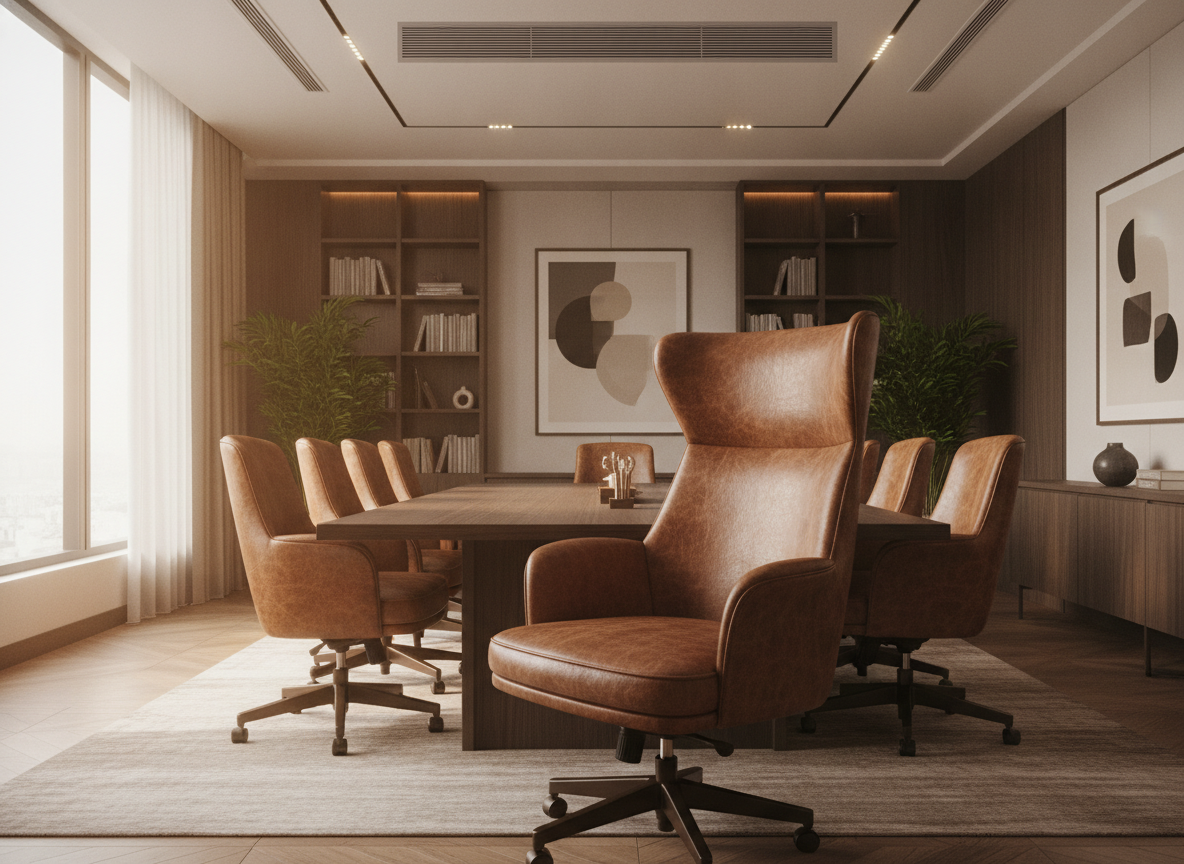
The material difference is even more pronounced in humid environments like the Kenyan coast. Mesh allows moisture to evaporate, which maintains a dry and comfortable seating surface.
PU leather, conversely, becomes clammy and sticky in high humidity. This sensation is unpleasant and also contributes to the rapid degradation of the material, a common issue for businesses in Mombasa.
Durability and How to Identify Quality Materials
An office chair is an asset, and its lifespan is determined by the quality of its core materials. Understanding what to look for protects your investment from premature failure.
Identifying High-Quality Mesh
Low-grade mesh on cheaper models often loses tension and sags within six to twelve months. This results in poor support and an unprofessional appearance.
High-quality, high-tensile mesh provides firm, elastic support that endures for years. To identify it, press your palm firmly into the seat or back. It should offer strong resistance and snap back to its original shape instantly, leaving no indentation. The weave will also appear tighter and more uniform.
Distinguishing Genuine Leather from PU Leather
Genuine leather features a unique grain with minor imperfections and a distinct, rich smell. It is highly durable and carries a premium price, often found on high-end executive office chairs.
PU (polyurethane) leather is a synthetic plastic that mimics the look of genuine leather. It has a uniform, repeating pattern and a noticeable chemical smell. It is affordable but lacks the breathability and long-term durability of real leather.
Common Durability Issues: Peeling vs. Sagging
The most frequent complaint with synthetic leather chairs in Kenya is peeling. Heat and humidity cause the top plastic layer to crack and flake away from the fabric backing, creating an unprofessional appearance within one to two years.
The primary failure point for low-quality mesh chairs is sagging. A stretched-out mesh backrest provides no lumbar support, which encourages slouching and contributes to staff back pain and fatigue. Sometimes, investing in reliable office chair spare parts is more cost-effective than replacing an entire chair.
Ergonomic Office Chair Kenya: Adjustability and Health Benefits
Ergonomics is not a luxury but an essential component for preventing workplace injuries and maintaining a productive team. A good chair actively supports a healthy posture.
Lumbar Support and Spinal Alignment
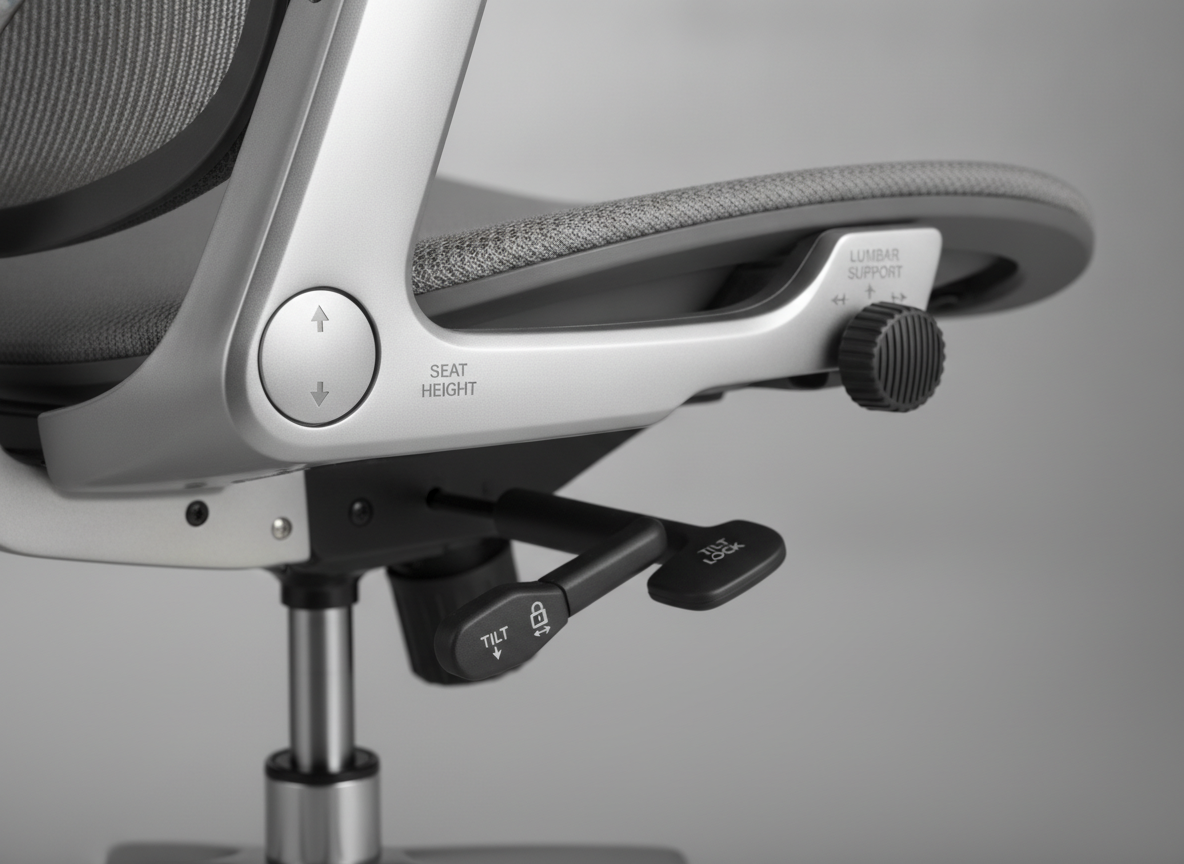
Effective lumbar support consists of a curve in the chair's backrest designed to match the natural inward curve of the lower spine. Both mesh and leather ergonomic office chairs can offer this, often with adjustable height and depth.
This feature prevents slumping and reduces strain on spinal discs and back muscles during the workday. It is the most critical ergonomic feature for long-term comfort and health.
Key Adjustments for a Personalised Fit
Adjustability allows one chair model to fit various users. Key adjustments include seat height, armrest height and width, and seat depth, which is the ability to slide the seat pan forwards or backwards.
Proper seat depth allows a user to sit with their back fully against the backrest while leaving a two-to-three-finger gap between the seat edge and the back of their knees. This position improves circulation and reduces leg strain.
How Ergonomics Reduces Fatigue
An ergonomic chair promotes dynamic sitting. Features like a synchronous-tilt mechanism, where the backrest and seat tilt in a coordinated ratio, support the body's natural movements. This active support helps reduce muscle fatigue throughout the day.
A well-designed chair keeps the spine aligned and muscles supported, enabling teams to work longer with better concentration and less physical strain.
Cost-Benefit Analysis and Office Chair Price in Kenya
Understanding the initial cost versus the long-term value is key to making a smart purchasing decision for your office.
Initial Investment for Mesh Chairs
Entry-level mesh chairs have a low price point but often use low-quality mesh that sags quickly. A good quality ergonomic mesh chair with reliable mechanics starts at a mid-range price.
Initial Investment for Leather Chairs
PU leather chairs are often priced similarly to mid-range mesh chairs and offer an "executive" look for a modest budget. Genuine leather chairs represent a significant premium investment, usually reserved for senior management offices.
Long-Term Value and Replacement Cycles
Analysing the total cost of ownership reveals a clearer picture. A cheap PU chair that peels in 18 months and needs replacement is more expensive long-term than a durable mesh chair that lasts five years or more.
| Feature | High-Quality Mesh Chair | PU Leather Chair | Genuine Leather Chair |
|---|---|---|---|
| Initial Cost | Medium | Low to Medium | High |
| Climate Suitability (Kenya) | Excellent (Breathable) | Poor (Traps Heat, Peels) | Fair (Better than PU, still warm) |
| Expected Lifespan | 5-8 Years | 1-3 Years | 10+ Years |
| Long-Term Value | Excellent | Poor | Very Good |
Maintaining Your Office Chairs for Longevity
Proper care extends the life of your office furniture, protecting your investment and keeping your workspace looking professional.
Cleaning and Care for Mesh Chairs
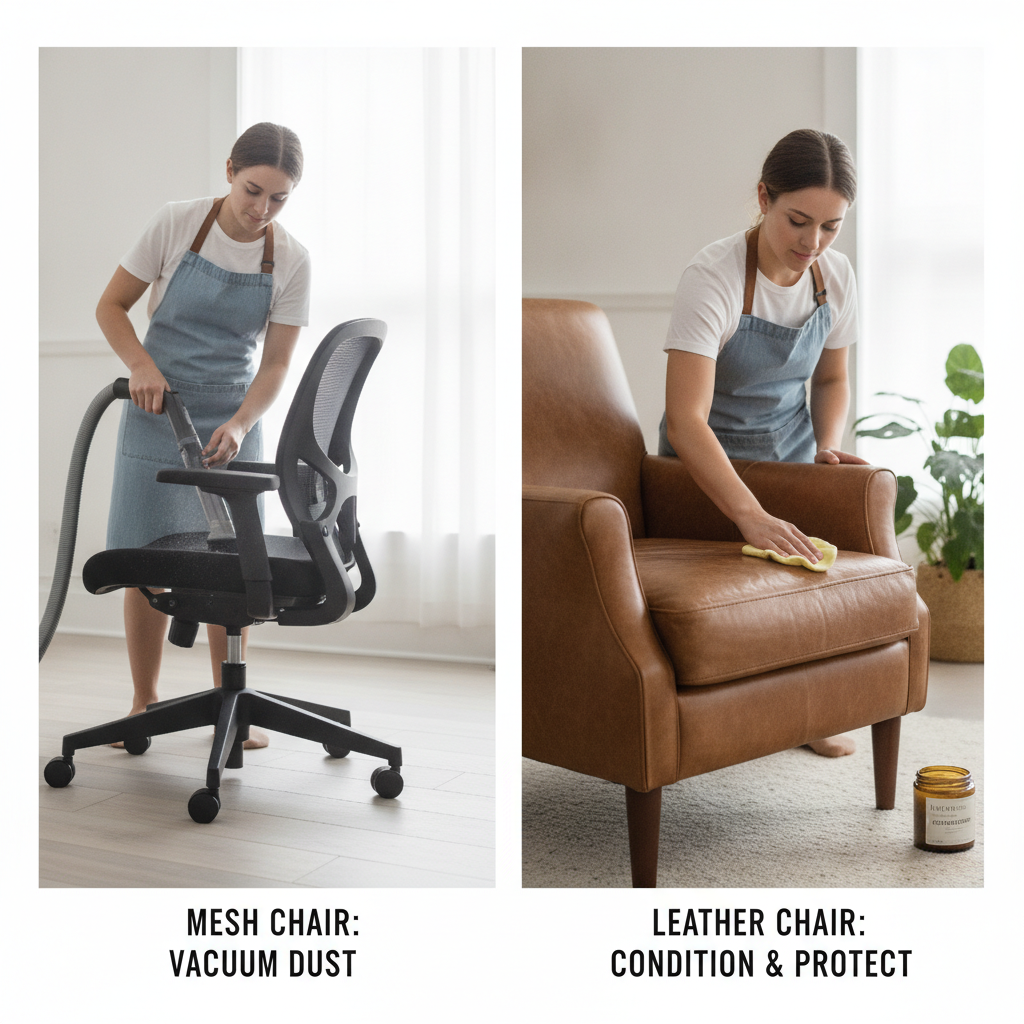
Mesh is relatively easy to maintain. Regularly vacuum the seat and back with a brush attachment to remove dust and debris. For spills, use a damp cloth with a small amount of mild soap, then wipe with a clean, water-dampened cloth and allow it to air dry.
Maintenance for Leather Chairs
For PU leather, wipe it down weekly with a dry or slightly damp microfibre cloth. Avoid harsh chemical cleaners, which can accelerate cracking. For genuine leather, use a dedicated leather cleaner and conditioner every 6 to 12 months to keep it supple and prevent it from drying out.
Addressing Common Wear and Tear
Regularly check and tighten any bolts on the armrests and mechanism. Lubricate moving parts if they begin to squeak. Check the castors for tangled hair or debris that may prevent them from rolling smoothly.
Choosing an Office Chair Supplier in Kenya
Your relationship with your supplier is as important as the chair itself. A reliable partner ensures quality and provides support when you need it.
Factors When Choosing a Supplier
Look for a supplier with a proven track record and positive client testimonials. A good supplier will be knowledgeable about ergonomics and can guide you to the right product for your team's specific needs and budget.
Warranty and After-Sales Support
A trustworthy supplier will offer a comprehensive warranty, typically covering the mechanism and frame for two to five years. Inquire about their process for handling warranty claims and the availability of spare parts like gas lifts and castors.
The Importance of Local Showrooms and Trials
An office chair should be tested before purchase. It is best to visit our store or other showrooms in Nairobi to test different models in person. Some suppliers offer trial chairs for your office, allowing your team to evaluate comfort and function in their actual work environment.
Impact of Import Duties and Local Assembly on Pricing
The final price of an office chair in Kenya is influenced by several logistical factors. Understanding these helps you interpret price differences between suppliers.
Most quality office chairs are imported as components and assembled locally. The price reflects import duties, VAT, and shipping costs. Local assembly can help reduce final costs compared to importing fully assembled units.
The quality of local assembly can vary. A reputable supplier ensures its technicians are well-trained to assemble chairs to the manufacturer's specifications, ensuring stability and longevity.
Office Furniture Specialist's Recommendation
For most office environments in Kenya, a high-quality mesh task chair offers the best combination of ergonomic support, climate comfort, and long-term value. Its breathability is a decisive advantage that directly impacts daily employee comfort and focus.
PU leather provides an appealing executive look for a low initial cost, but its poor performance in heat and its tendency to peel make it a poor long-term investment. For boardrooms or senior executive offices where prestige is a priority, genuine leather is a viable option if the budget allows and the space has effective air conditioning. To find the right fit for your needs, you can explore our full range of product categories.
Need Office Chairs?
Browse our collection of office chairs at competitive prices. Fast delivery anywhere in Kenya.