Orthopedic vs Ergonomic Office Chairs: Kenya Specs (2026)
An orthopedic office seat in Kenya differs from a standard ergonomic model by including more intensive, specialised support features. These features include stronger lumbar systems, moulded high-density foam, and extensive back and seat adjustments.
This higher standard is detailed in Kenyan public-sector procurement specifications. For example, a 2026 Kisumu County Assembly tender for an orthopedic chair required an adjustable headrest, adjustable lumbar support, adjustable back height, a sliding seat, adjustable arms, and a multi-function mechanism. These requirements clearly separate an orthopedic chair from models that offer only general adjustability.
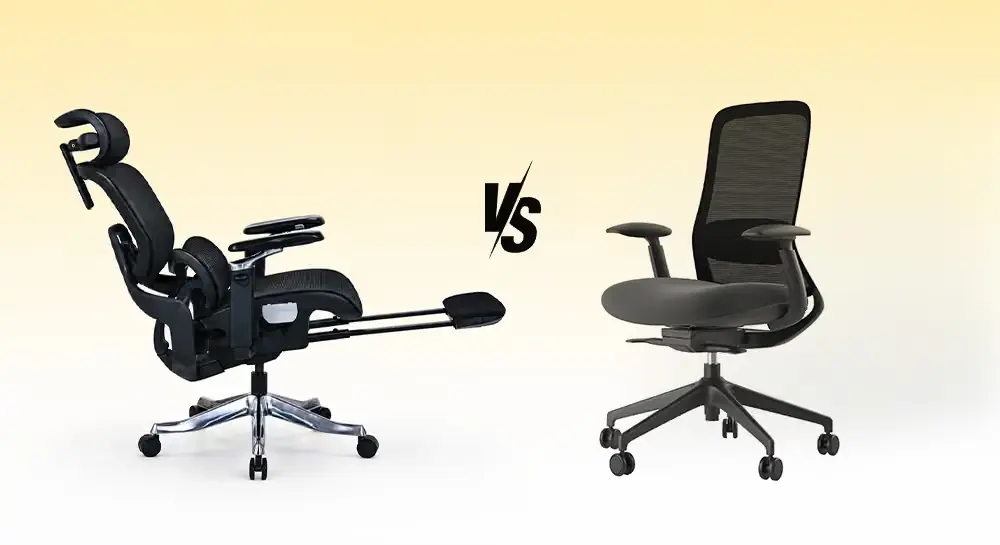
Core Distinctions Between Ergonomic and Orthopedic Office Chairs
Ergonomic and orthopedic office chairs serve different primary purposes, although the terms are often used interchangeably in Kenya. An ergonomic design philosophy focuses on fitting a chair to a wide range of users to promote good posture and efficiency. An orthopedic design provides targeted, intensive support for individuals with specific back, spine, or posture-related health conditions.
| Feature | Ergonomic Office Chair | Orthopedic Office Chair |
|---|---|---|
| Primary Goal | Preventative: Promotes good posture for the general user. | Supportive/Corrective: Provides targeted support for specific postural or spinal needs. |
| Adjustability | Focuses on core adjustments: seat height, back tilt, armrest height. | Offers extensive adjustments: seat depth, back height, multi-dimensional armrests, stronger lumbar support, and advanced tilt mechanisms. |
| Seat & Back | Uses standard density foam and mesh/fabric for comfort. | Uses high-density, moulded foam for firmer support and durability; the design may feature a more contoured backrest. |
| Target User | General office staff, home-office users without pre-existing conditions. | Users with back pain, recovering from injury, or those requiring enhanced spinal support for very long hours. |
For procurement teams in Kenya, the key distinction is that an ergonomic chair is a solid baseline for workplace wellness. An orthopedic office seat, however, is a specialised tool that addresses specific health requirements and meets a higher, more detailed standard of support and adjustability.
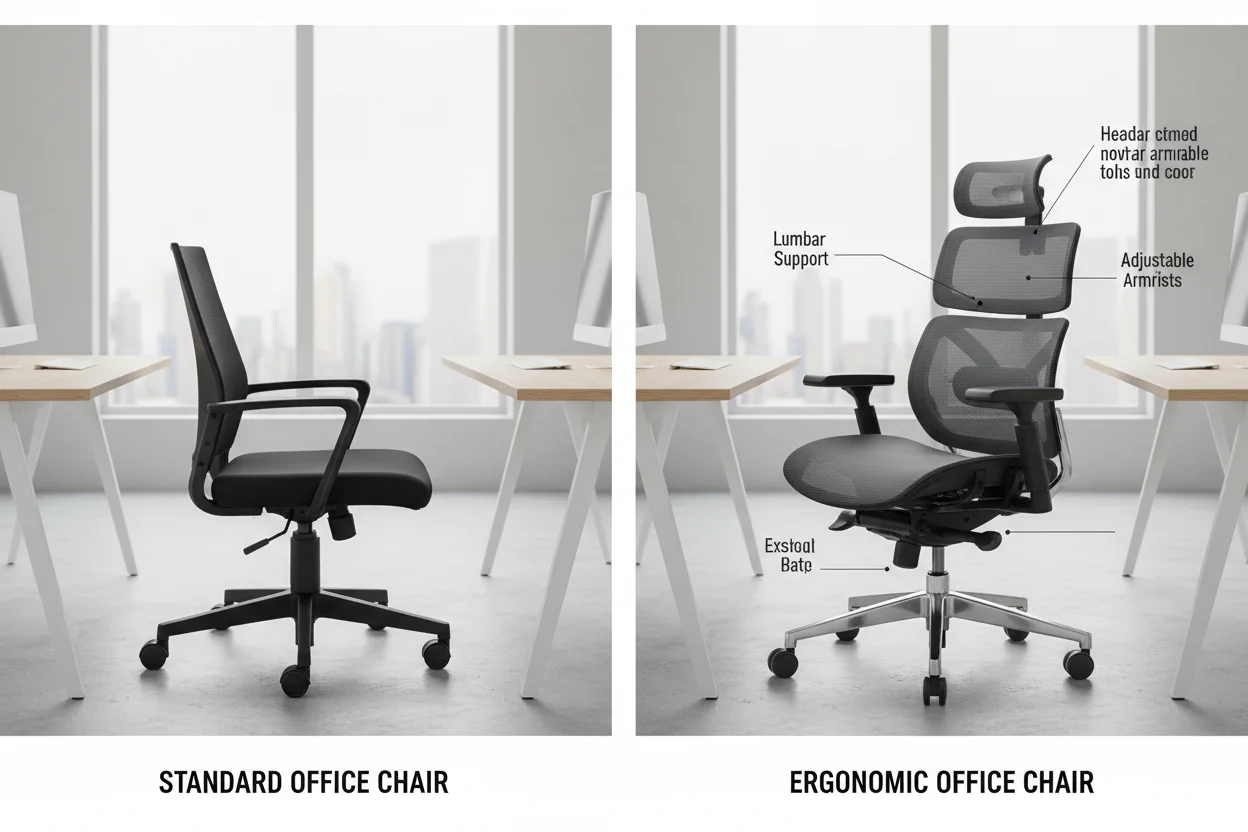
What Features Define an Orthopedic Office Chair by Kenyan Standards?
A true orthopedic office chair in Kenya is defined by a specific, verifiable set of features that go beyond general ergonomic labels. Public sector procurement tenders, such as the one from the Kisumu County Assembly in 2026, provide a clear benchmark for office managers. These specifications demand functional, high-performance components instead of marketing terms.
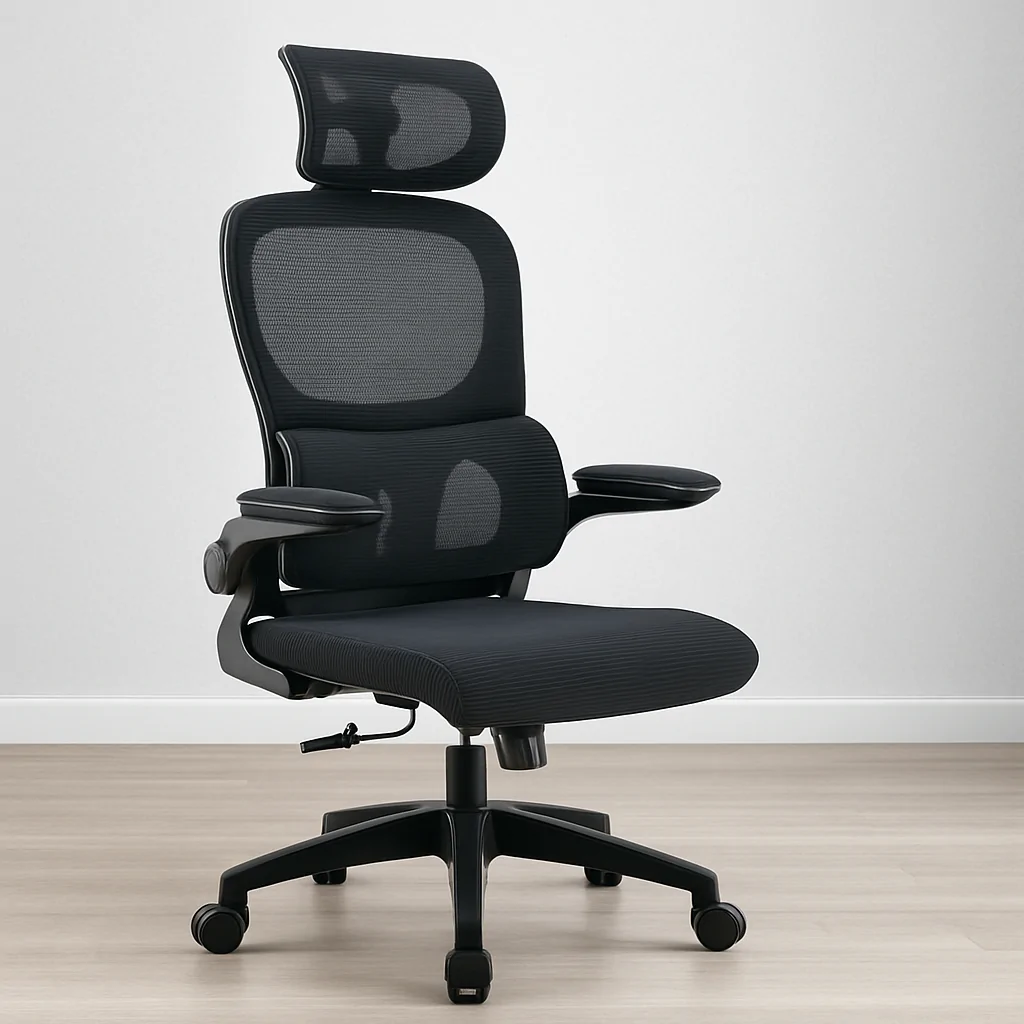
A chair meeting these local standards would typically include:
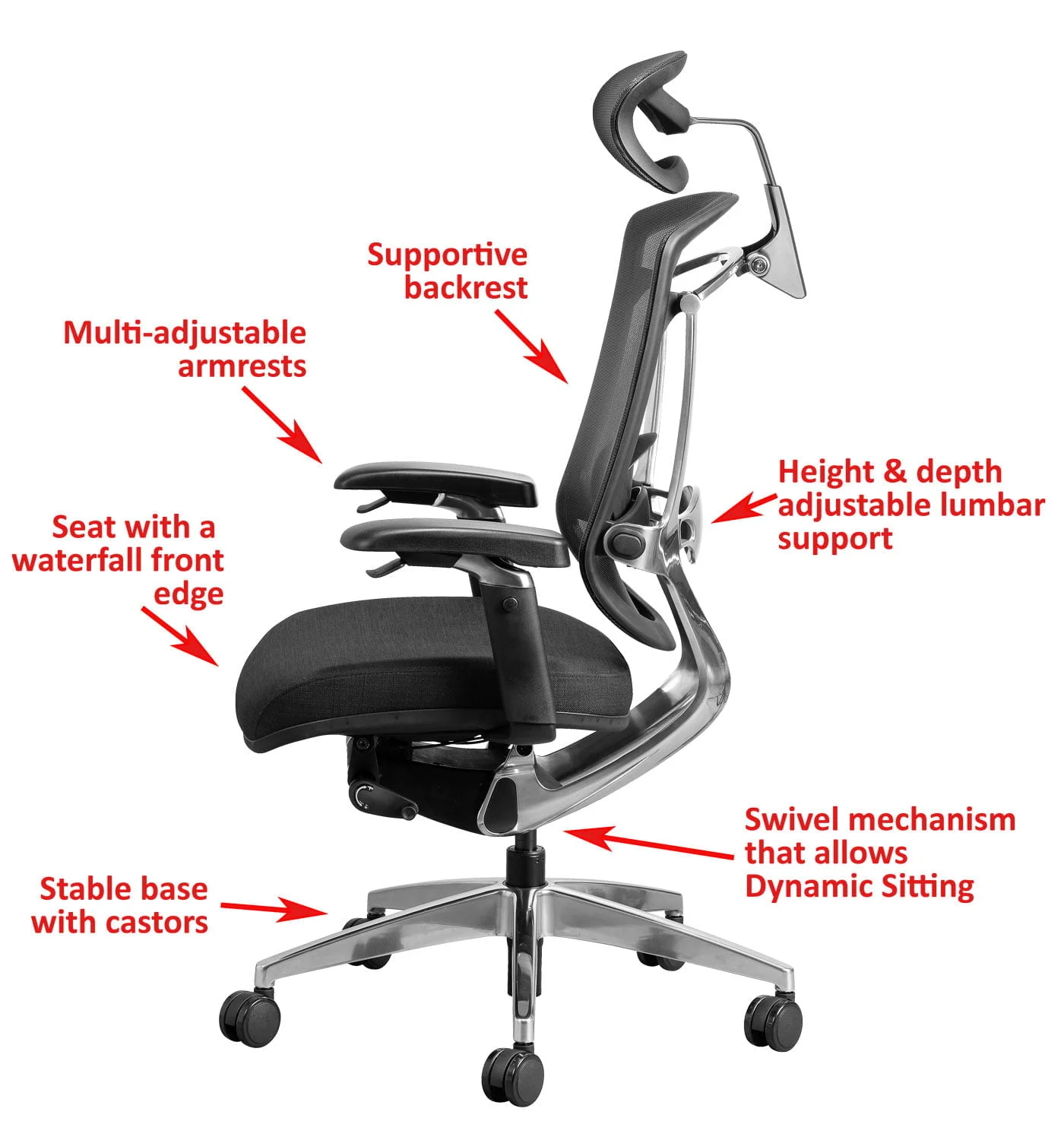
- Stronger, Adjustable Lumbar Support: A mechanism that allows the user to change the depth and height of the support to fit their specific spinal curve, rather than just a fixed curve in the backrest.
- Sliding Seat (Seat Depth Adjustment): This feature allows the user to change the depth of the seat pan to ensure proper thigh support without putting pressure on the back of the knees.
- Multi-Function Mechanism: A control system that allows the user to lock the chair in multiple recline positions and adjust the seat and backrest angles independently.
- Extensive Back Height Adjustment: The entire backrest can be moved up or down to position the lumbar support correctly in the user's lower back.
- High-Density or Moulded Foam: This foam provides firm, long-lasting support and resists compression better than standard foam, maintaining the chair's shape over years of use.
- Adjustable Headrest and Arms: Customisable support for the neck and shoulders that can be adjusted for height, angle, and position.
Kenyan SMEs are increasingly investing in employee wellness programmes, which increases the demand for chairs that meet these verifiable standards. Procurement decisions are shifting from buying a simple "chair" to investing in a tool for employee health and productivity. This context applies to businesses focusing on long-term workplace wellness strategies.
Chair Types and their Offers for Better Benefits for Specific Health Needs
Choosing between an ergonomic and an orthopedic chair depends entirely on the user's specific needs. Both types of chairs aim to improve the sitting experience, but they solve different problems.
An ergonomic chair works best for preventative care and general use. Most office workers in Nairobi or home-office users in Mombasa without chronic back pain find that a quality ergonomic chair with standard adjustments is sufficient. The chair encourages healthy posture, reduces the risk of musculoskeletal issues, and improves comfort. An ergonomic chair is the standard choice for outfitting an entire office with a general-use seating solution.
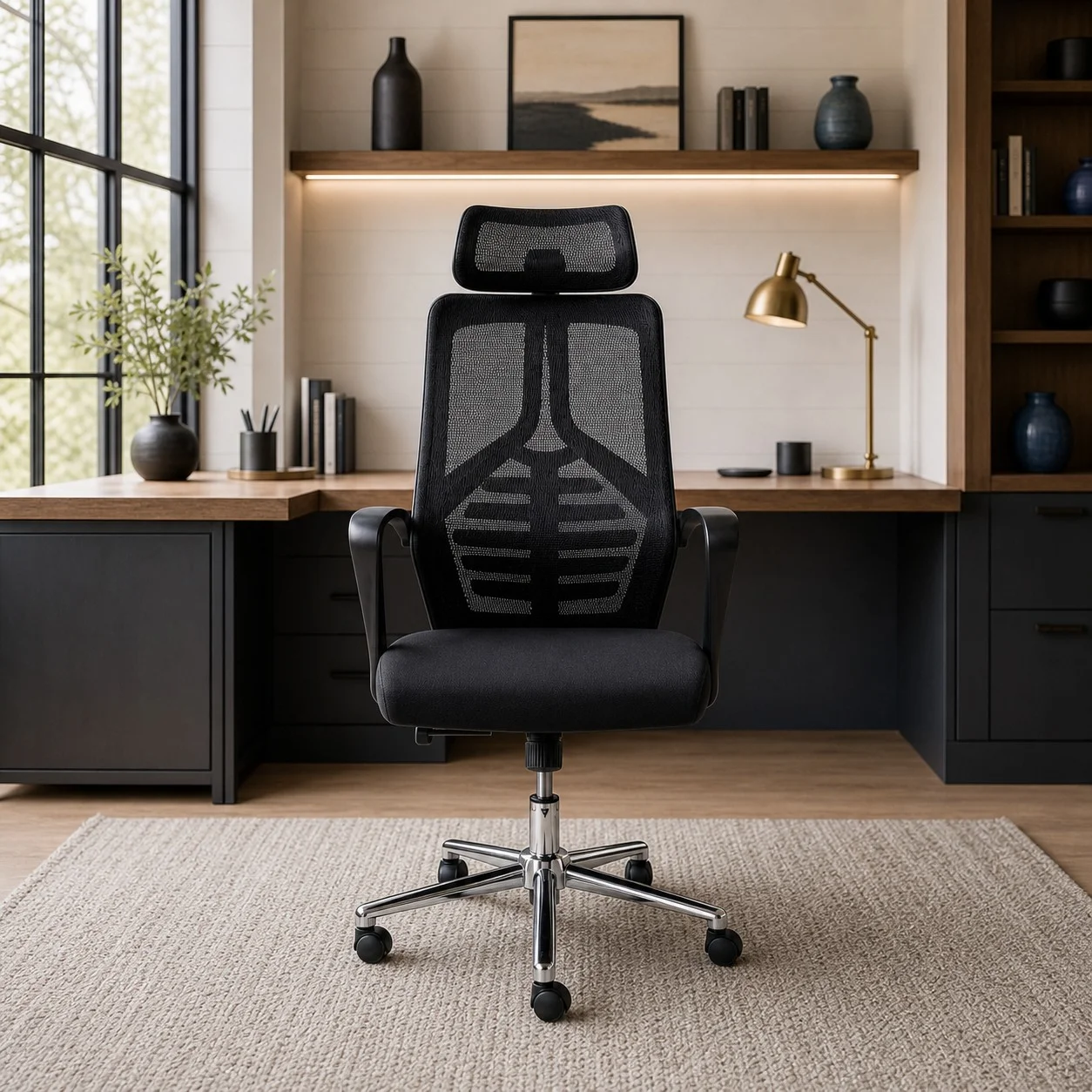
An orthopedic office chair provides targeted, corrective support. The chair is designed for individuals who experience lower back pain, sciatica, or other spinal conditions. Its specialised features, including enhanced lumbar support and seat depth adjustment, offer therapeutic benefits that can reduce discomfort. Providing an orthopedic chair for an employee with specific health needs is an investment in their well-being, which can help reduce absenteeism and improve focus for a Kenyan business.
What are the Key Factors When Buying an Orthopedic or Ergonomic Office Chair in Kenya?
Procurement managers and individual buyers in Kenya must evaluate several key factors beyond the marketing label. This practical evaluation of features against user needs and budget ensures the chair is a good long-term investment.
How to Match Chair Features to User Needs
The primary factor is the chair's fit for the user, considering their height, weight, and existing health conditions. Chairs for a general office need a wide range of adjustments to accommodate different body types. A user with lower back pain requires non-negotiable features like adjustable lumbar support and a seat slider, while a tall user needs back height adjustment.
Users should test-sit a chair before a final decision is made, especially before a large procurement order. This step confirms comfort and suitability for the intended purpose.
How to Assess Material Quality and Durability
Buyers should assess the quality of the chair's components to determine long-term value. A heavy-duty metal base provides more stability and longevity than a plastic one. High-density foam in the seat prevents the cushion from compressing and losing support after a few months of use.
Upholstery choice depends on the environment. Breathable mesh is well-suited for Kenya's warmer climates, while high-quality fabric offers good durability. The casters (wheels) must also be suitable for the specific office flooring, such as tile, wood, or carpet.
Why is Warranty and After-Sales Support Important?
An office chair is a mechanical product that requires service over its lifetime. A reliable Kenyan supplier offers a clear warranty covering key components like the gas lift, mechanism, and frame for a typical period of one to five years.
Buyers should ask about the availability of spare parts and the process for making a warranty claim. Strong local after-sales support protects the investment and minimises downtime, making it more valuable than a slightly lower price from a supplier with no service infrastructure.
Where to Find Reliable Orthopedic and Ergonomic Office Chair Suppliers in Kenya?
Reliable ergonomic and orthopedic office chair suppliers in Kenya include specialised furniture stores with showrooms in Nairobi and Mombasa, as well as established online retailers offering nationwide delivery. Top providers are identified by their product quality, transparent warranties, and verifiable after-sales support.
When vetting a supplier, ask direct questions about their service infrastructure. Key questions include how warranty claims are handled, if they stock spare parts for gas lifts and mechanisms, and if they offer assembly for deliveries outside major cities.
Buyers should select suppliers with a proven track record of serving other Kenyan businesses. Verifying a supplier's reputation by requesting client testimonials or business references is a recommended step. The chosen supplier must also offer logistical and payment flexibility, such as delivery to Eldoret or Kisumu and acceptance of corporate LPOs or M-Pesa payments.
What is the Expected Price Range for Quality Office Chairs in Kenya?
The price of office chairs in the Kenyan market reflects the chair's mechanical complexity, material quality, and warranty length. Understanding these price tiers helps procurement teams budget effectively and assess value.
- Basic Ergonomic Chairs: These models typically range from KES 15,000 to KES 30,000. They offer essential adjustments like seat height and basic back tilt, suitable for light home-office use.
- Mid-Range Ergonomic Chairs: Priced between KES 30,000 and KES 65,000, these chairs offer more adjustments, better materials, and longer warranties. This is the standard category for most corporate office environments.
- High-End Orthopedic Chairs: These specialised chairs start from KES 65,000 and can go significantly higher. The price reflects advanced mechanisms, high-density moulded foam, extensive adjustability, and strong construction for all-day use.
The initial cost of an orthopedic chair is higher than an ergonomic model. However, the orthopedic chair's durability and health benefits can provide a better return on investment over its lifespan for users with specific support needs.
How to Make an Informed Buying Decision for Ergonomic Chairs in Kenya
This final checklist helps buyers in Kenya evaluate options systematically. Answering these questions ensures the final choice is based on practical needs and long-term value, not marketing claims.
| Evaluation Factor | Key Question for Buyers |
|---|---|
| Primary Need | Is the chair for general preventative comfort (ergonomic) or targeted user support (orthopedic)? |
| Feature Verification | Does the chair have a multi-function mechanism, seat slider, and adjustable lumbar support? |
| User Testing | Is a demo model available for user testing before a bulk purchase? |
| Long-Term Value | Does the warranty period and material quality justify the initial cost? |
How to Secure Your Office Chair Investment with a Kenyan Provider
Securing an office furniture investment requires selecting a Kenyan provider who guarantees long-term value through strong after-sales support. Buyers should take these three steps before finalising a large purchase to protect their assets.
- Verify the Warranty in Detail: Ask for a written copy of the warranty and clarify what it covers (e.g., mechanism, gas lift, casters) and what the claim process entails. A reputable supplier will provide this information transparently.
- Request Local Business References: Ask the supplier for contacts at other Kenyan companies they have supplied. Speaking to a current client is the most effective way to gauge their reliability and product quality.
- Confirm Logistics and All-in Costs: Ensure the final quotation includes all associated costs, such as delivery to your specific location and on-site assembly. Confirm lead times based on local stock availability to plan your office setup accordingly.
Need Office Chairs?
Browse our collection of office chairs at competitive prices. Fast delivery anywhere in Kenya.