How to Adjust Office Chair Tilt Tension for Better Support
Adjusting an office chair's tilt tension controls the recline resistance, not the chair's locking position. The tension dial manages comfort and should not be used to fix a broken tilt lock mechanism. Understanding this function is a foundational part of achieving correct ergonomic support in a Kenyan office or home setup.
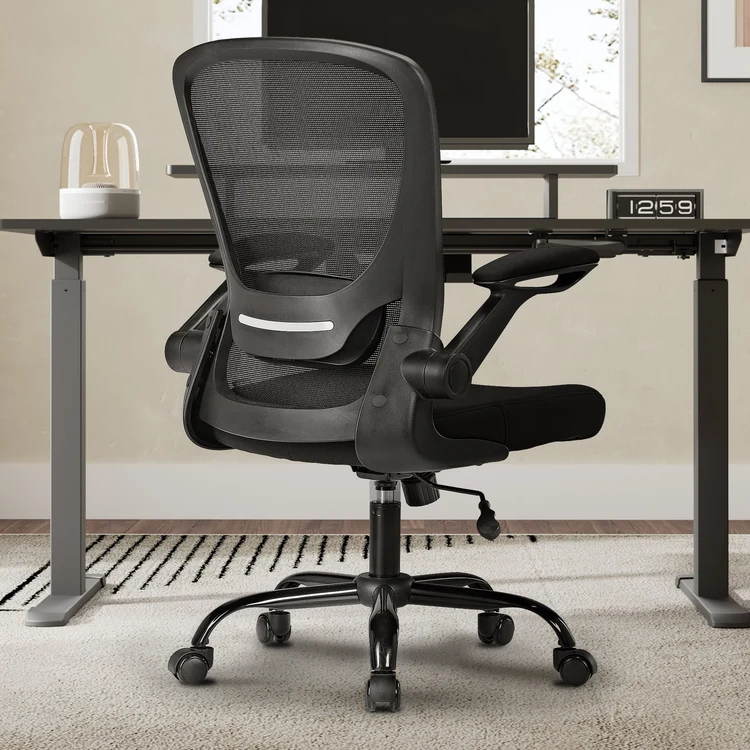
What is Office Chair Tilt Tension and How Does It Differ from a Tilt Lock?
Tilt tension specifically manages the amount of force required to lean the backrest backwards. This adjustment allows users to personalise the chair's recline to match their body weight and preference for dynamic movement.
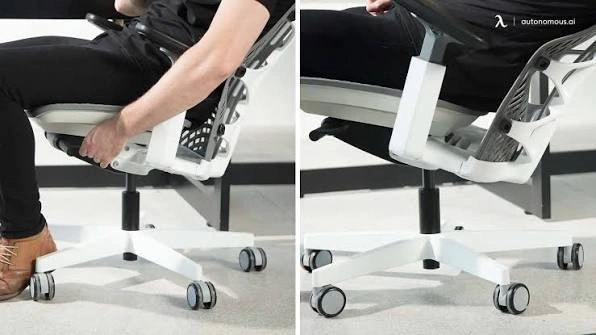
The tilt tension control is a large knob, usually found under the seat. Tightening this knob by turning it clockwise increases recline resistance, while loosening it counter-clockwise makes reclining easier.
A tilt lock is a lever that fixes the backrest in a specific position, preventing it from reclining. The tilt lock function is binary; it either allows the chair to tilt or locks the backrest in place.
The tilt lock does not affect the resistance you feel when the chair is reclining. This distinction between tension and lock mechanisms is central to the correct use of office furniture in any professional setting.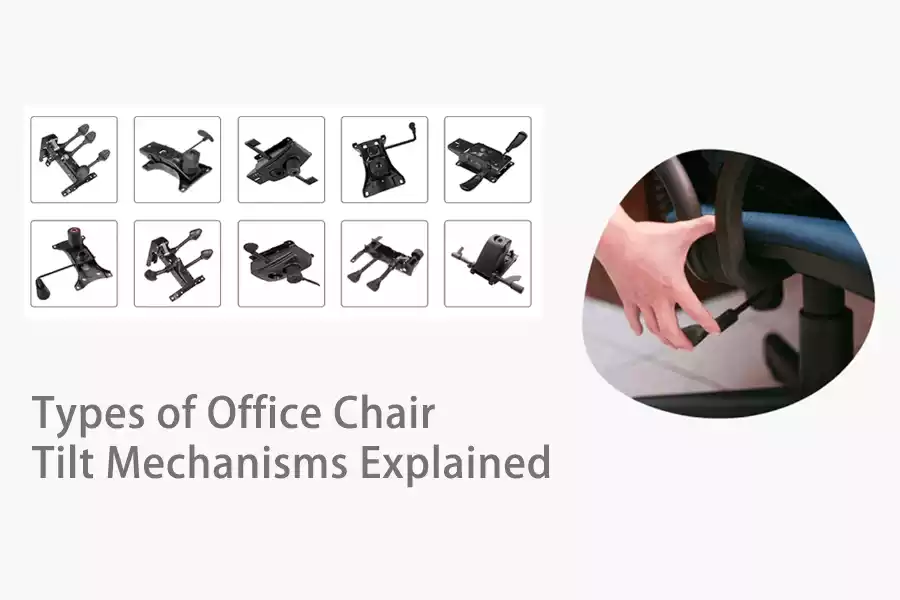
How to Adjust Your Office Chair's Tilt Tension
Where to Find the Tilt Tension Dial
The tilt tension control is a large, round knob located directly beneath the seat pan, near the front or centre of the chair's underside. The control should not be mistaken for the smaller levers that manage seat height or the tilt lock.
The knob's design allows for access while seated, but making large adjustments can be easier when standing next to the chair.
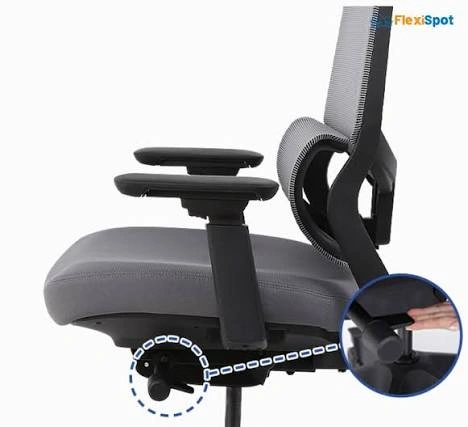
How to Turn the Dial for Desired Resistance
To increase recline resistance, turn the tension knob clockwise (to the right). To decrease resistance and make reclining easier, turn the knob counter-clockwise (to the left).
Users may need to turn the knob several full rotations to achieve significant changes in tension. These adjustments should be made gradually to find the most supportive setting.
Testing Your New Tilt Tension Setting
To test the setting, sit squarely in the chair with your feet flat on the floor and lean back. The ideal tilt tension supports your back through the entire recline without requiring forceful pushing.
The recline should not feel so loose that the backrest offers no support. The final adjustment is correct when the recline feels both smooth and supportive for your body weight.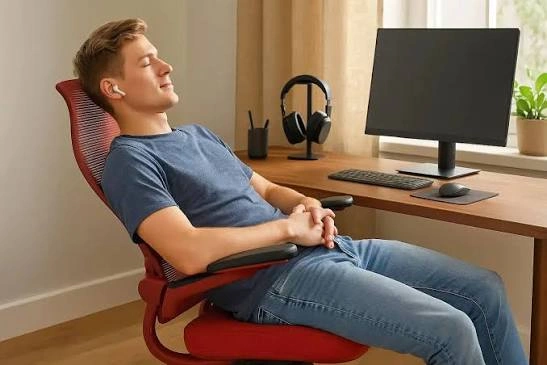
How to Determine the Ideal Tilt Tension for Your Body and Work Style
The ideal tilt tension setting is a personal adjustment based on body weight and work style. The goal is to achieve 'balanced reclining', where the chair supports movement without feeling resistant or loose.
Heavier individuals typically need to increase tension by turning the knob clockwise to get adequate support. Lighter individuals usually need to decrease tension by turning the knob counter-clockwise to enable the recline function.
A good starting point is a tension level that allows you to recline comfortably while your feet remain flat on the floor.
Work habits influence the ideal setting. A looser tension supports frequent, dynamic movement for users who often lean back.
A firmer setting provides more stability for users who prefer a mostly upright posture. This type of adjustment promotes healthy posture by encouraging subtle changes in position.
Benefits of Correctly Adjusted Office Chair Tilt Tension for Kenyan Workplaces
Correct recline resistance encourages 'dynamic seating', allowing a user to move and shift position fluidly. This movement improves blood circulation and reduces muscle fatigue from static postures.
Dynamic seating leads to better spinal alignment during recline. This provides consistent lumbar support and reduces strain on the user's back and shoulders.
A well-adjusted chair helps users maintain focus by reducing discomfort-related distractions. Teaching this simple adjustment improves employee well-being and productivity for businesses across Kenya.
What Is the Difference Between Office Chair Tilt Tension and a Tilt Lock?
Tilt tension controls how much force is needed to recline, while the tilt lock determines if the chair can recline at all. This functional difference is central to diagnosing chair problems and making cost-effective procurement decisions.
Users often mistake the function, tightening the tilt tension knob to its maximum to try and lock a faulty backrest. This approach only makes the recline stiff and places unnecessary stress on the tension mechanism.
This misdiagnosis has direct financial consequences for a Kenyan office. A chair that reclines too easily requires a simple, free tension adjustment.
A chair that will not lock in any position indicates a broken tilt lock mechanism, which is a mechanical failure. The tension knob cannot solve this issue; the chair requires professional repair or a full replacement.
Knowing the difference between these two mechanisms prevents wasted time on incorrect fixes. This knowledge allows procurement managers to assess accurately whether a chair needs a simple adjustment or a new investment.
Troubleshooting Common Office Chair Recline and Tilt Issues
- The chair will not recline at all: Check that the tilt lock lever is not engaged, as this is the most frequent cause. If the lock is disengaged and the chair still will not lean back, the tilt tension is likely too high. Turn the tension knob counter-clockwise several full rotations to loosen it.
- The chair reclines too easily or feels loose: This symptom indicates the recline resistance is too low for your body weight. Sit in the chair and turn the tilt tension knob clockwise until you feel a comfortable level of support as you lean back.
- The chair makes a grinding or squeaking noise when reclining: This noise usually points to a need for lubrication within the mechanism, not an adjustment issue. Dust and debris, common in some Kenyan environments, can also accumulate and cause noise.
- The chair will not stay locked in position: This issue indicates a failed tilt lock mechanism where internal components are worn or broken. Adjusting the tilt tension cannot correct this mechanical failure.
When to Seek Repair or Invest in a New Ergonomic Chair in Kenya
Deciding between repairing a faulty chair and buying a new one is a practical financial decision. An assessment is needed if simple troubleshooting fails to resolve an issue like a broken tilt lock.
The availability of replacement parts is an important factor in the Kenyan market. Authorised dealers in Nairobi can often source and fit new mechanisms for high-end, reputable ergonomic brands.
Sourcing parts for budget-friendly imported chairs is more challenging. Budget chairs may use proprietary components that are difficult to find locally, and their plastic parts can degrade over time.
The cost of attempting a custom repair on a budget model can often approach the price of a new, more reliable chair.
The chair's age and overall condition should inform the decision. Investing in a new ergonomic chair is a sensible long-term solution if the gas lift is failing, the upholstery is torn, and the tilt lock is broken.
A new, quality chair includes a warranty and full functionality. This purchase provides better value and ergonomic support for workplace health and productivity. browse new ergonomic chairs contact us for office chair repair
Comparing Office Chair Tilt Tension and Tilt Lock Functions
| Feature | Tilt Tension | Tilt Lock |
|---|---|---|
| Primary Function | Controls the resistance (force) of the recline | Locks the chair's backrest in a set position |
| Control Type | Large, round knob under the seat | Small lever, usually on the side |
| User Goal | Personalise recline comfort for body weight | Fix the chair in an upright or reclined angle |
| Failure Symptom | Recline is too easy or too difficult | Chair will not stay in a locked position |
Shop Office Chairs in Kenya
Browse our collection of office chairs at competitive prices. Same-day delivery within Nairobi and nearby areas, and delivery across Kenya.