Headrest Office Chair for Active Work in Kenya: Not Essential (2026)
A headrest on an office chair is not a primary ergonomic feature for active, upright keyboarding. The main benefit of a headrest is realised during periods of recline, rest, or reading. This distinction helps office managers in Kenya avoid misconceptions and invest in features that support active desk work.
A headrest provides support to the neck and head when leaning back, taking calls, or resting. This support allows the neck and shoulder muscles to relax completely, which is not possible without a headrest. During active computer work, however, correct posture involves balancing the head above the spine, not against a support.
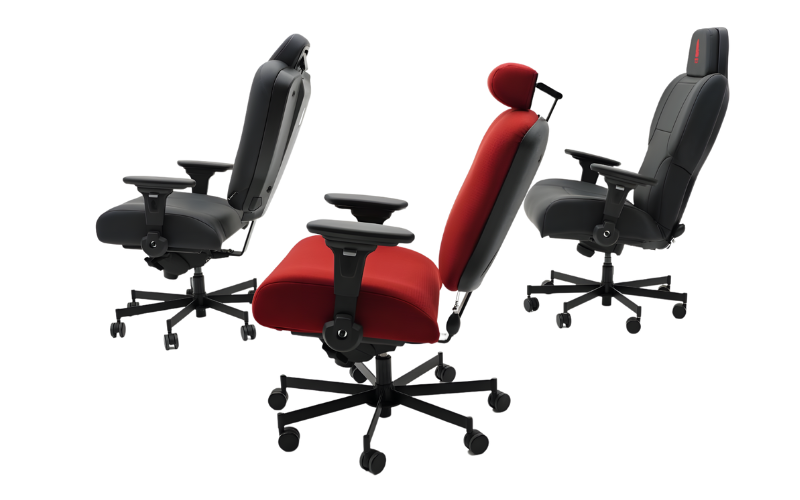
When are office chair headrests actually useful?
An office chair headrest offers its greatest value when a user is not actively typing in an upright position. The headrest's purpose is to support the head and neck, reducing strain on the cervical spine in relaxed postures. Understanding these specific use-cases helps procurement teams in Kenya select chairs that support a full range of daily activities.
Primary scenarios where a headrest is beneficial include reclining to think, participating in long video calls, or taking short breaks. In these moments, leaning back allows the headrest to cradle the head and relax the neck muscles. This support is most valuable for roles that involve significant time in contemplative or reclined postures.
What ergonomic chair features are more important than a headrest?
Specific ergonomic features offer more significant benefits than a headrest for sustained periods of computer work. Procurement teams in Nairobi and nationwide should prioritise these core components to support user health and productivity. A focus on these elements helps prevent neck pain and promotes correct spinal alignment during active desk work.
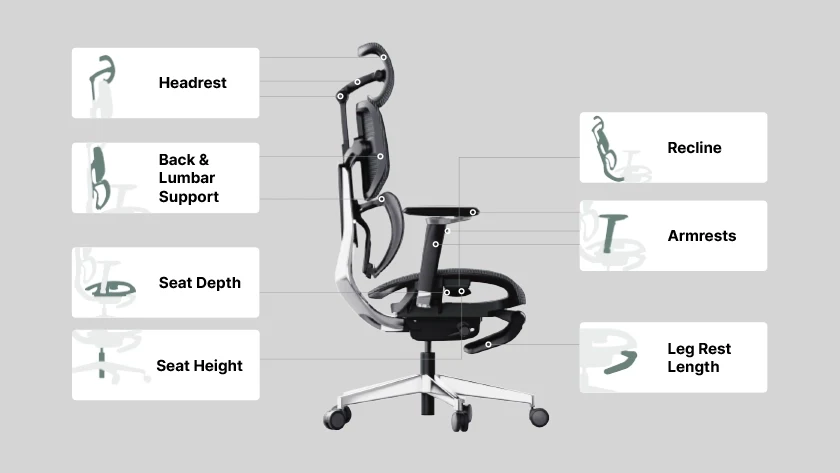
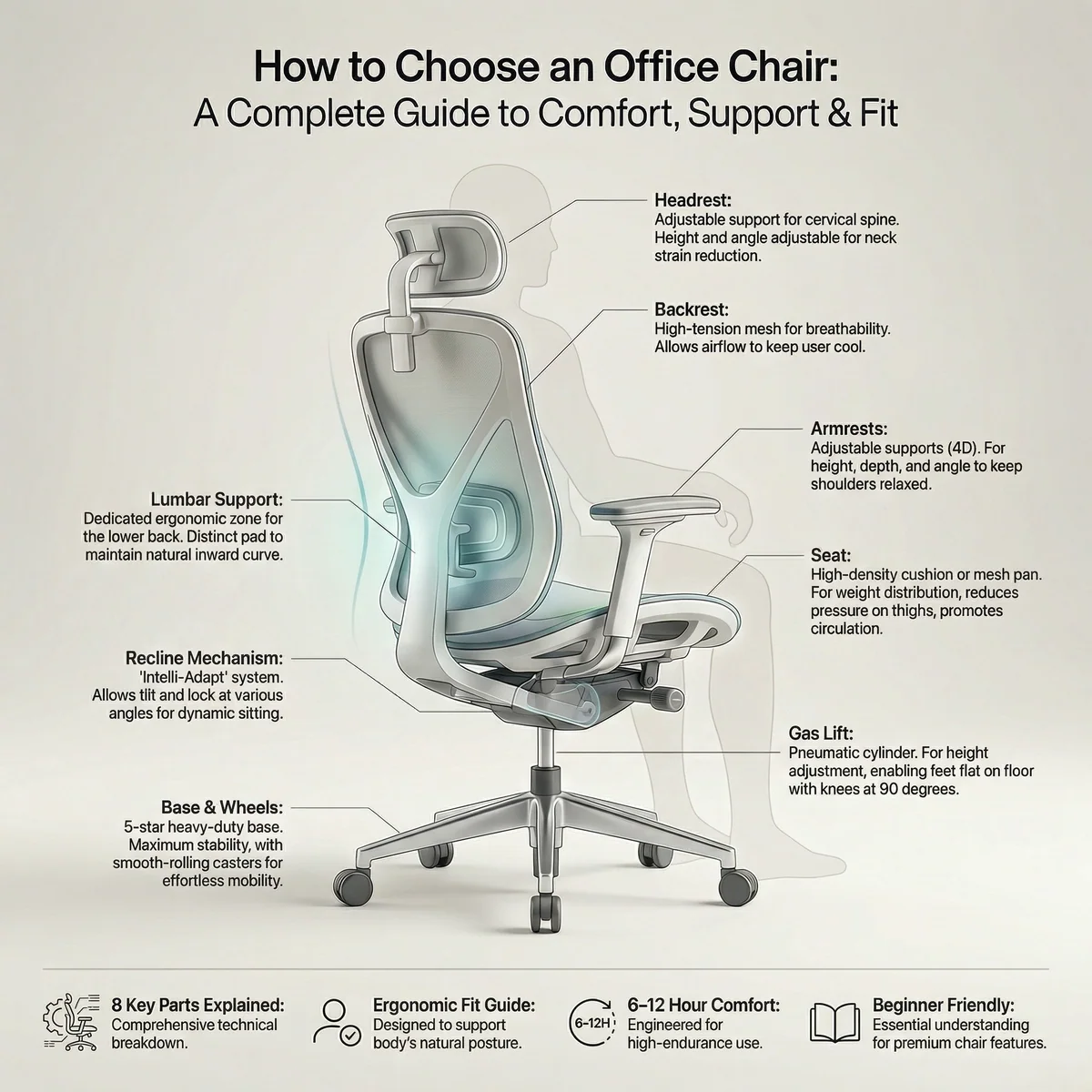
Key features for active work include robust lumbar support, ideally with adjustable height and depth. Adjustable seat depth provides proper thigh support without cutting off circulation. Adaptable armrests with height, width, and pivot adjustments alleviate strain on the shoulders and neck. A quality synchronous tilt mechanism, which moves the backrest and seat together, encourages dynamic sitting. In Kenya's climate, a breathable mesh backrest also improves comfort during long hours.
Why are adjustable headrests better than fixed models?
An adjustable headrest provides customisation for height and tilt, allowing precise positioning to support the user's cervical curve during recline. This adaptability is key for accommodating a diverse workforce with varying body heights and sitting preferences. This feature is a common requirement for office-wide procurement in Kenya.
A fixed headrest is a one-size-fits-all component that rarely fits anyone perfectly. An incorrectly positioned fixed headrest can fail to provide neck support or push the head into an uncomfortable forward position. The modest additional cost of an adjustable headrest is a sound investment in user satisfaction and true ergonomic function.
How can a poorly designed headrest negatively impact posture?
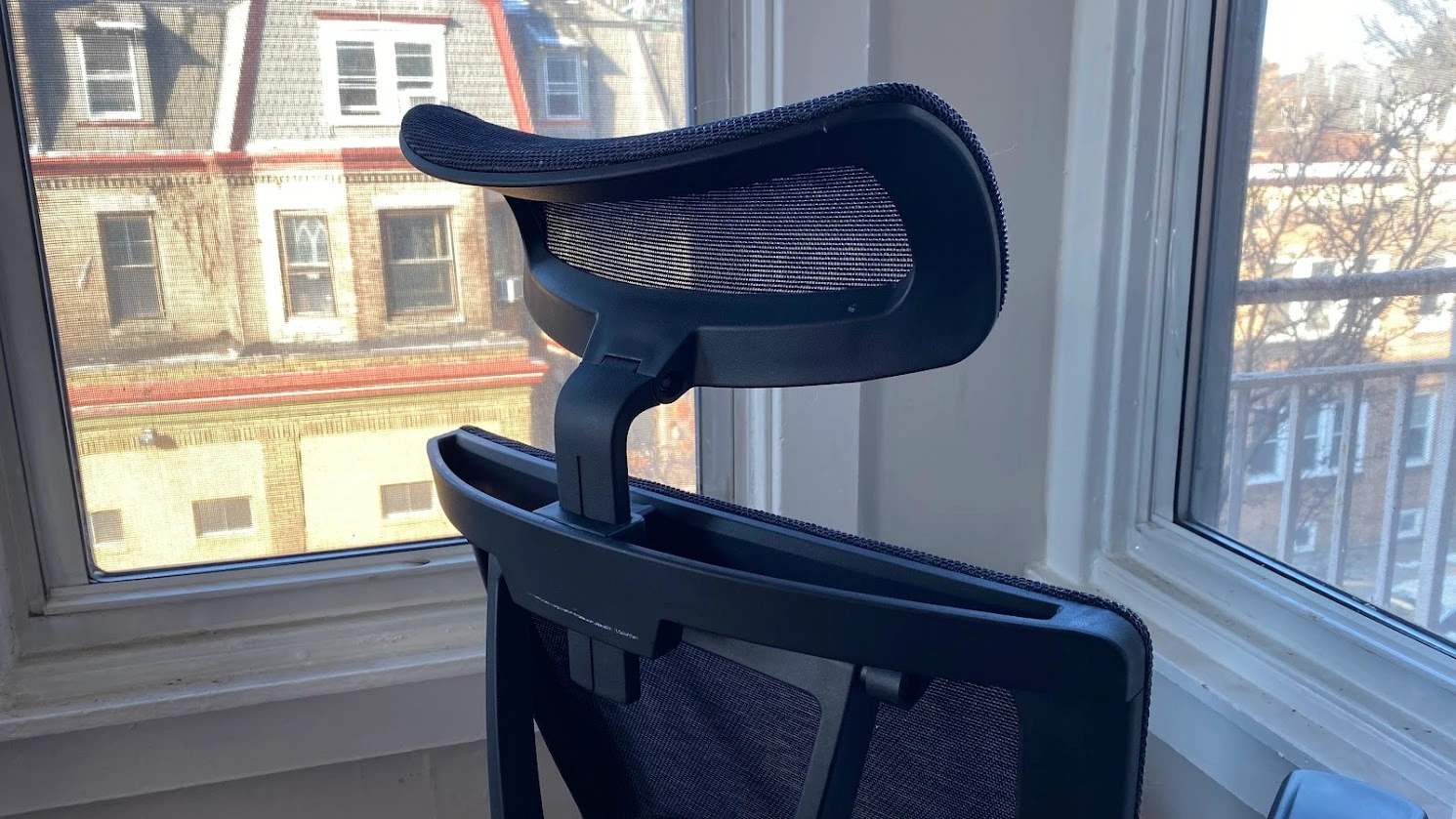
A poorly designed or improperly positioned headrest can be detrimental to posture. The most frequent issue is a fixed headrest that juts too far forward. This design forces the user's head into a 'forward head posture,' creating strain on the neck, shoulder, and upper back muscles.
This forward push from a bad headrest can disrupt the natural alignment of the spine. The poor positioning can also interfere with the user's line of sight to their monitor, causing them to slouch. Kenyan buyers should know that a chair with no headrest is better than one with a non-adjustable headrest that compromises healthy posture.
What is an ergonomic checklist for buying office chairs in Kenya?
Kenyan procurement teams should use a practical checklist to evaluate office chairs for prolonged use. Prioritising core adjustability ensures a chair supports diverse users. Here are the features to scrutinise and the questions to ask suppliers:
- Adjustable Lumbar Support: This feature helps prevent lower back pain. It should adjust for both height and depth. Question: "Is the lumbar support height and depth adjustable, or is it a fixed curve?"
- Seat Depth Adjustment: A seat slide mechanism allows the user to sit fully back while maintaining a gap behind the knees for circulation. Question: "Does this chair have a seat slide mechanism, and what is its adjustment range?"
- 3D or 4D Armrest Adjustability: Armrests that move up/down, forward/back, and pivot in/out reduce shoulder and neck strain. Question: "Are the armrests 3D or 4D adjustable? Can you demonstrate the full range of motion?"
- Synchronous Tilt Mechanism: This mechanism encourages movement while keeping the user supported. Question: "Is this a synchronous tilt or a simple back-tilt? How many locking positions does it have?"
- Breathable and Durable Materials: A breathable mesh back is often superior to leather in Kenya's warm climate for long-term comfort. Question: "What is the durability rating of the mesh? What does the warranty cover regarding materials?"
Which chair types benefit most from a headrest?
The relevance of a headrest depends on the chair type and its intended use. Executive chairs frequently come with integrated, high-back headrests. This design reflects their use for contemplation and reclining, where such a feature is useful.
Task chairs, designed for active computer work, are less likely to include a headrest as a standard feature. A headrest is typically an optional add-on for these models. For roles that demand a constant upright posture, such as data entry, a headrest offers minimal utility and may not be a worthwhile expense. The procurement decision should be based on the primary function of the role.
Can you retrofit a headrest to an existing office chair in Kenya?
Retrofitting a headrest onto an office chair not designed for one is often impractical. The main issue is structural integrity, as many chair backrests lack the strength to support a headrest securely. Drilling into the chair frame can compromise the product's warranty and safety.
Aftermarket clamp-on or bolt-on headrests exist, but sourcing a compatible model in the Kenyan market can be difficult. A poor fit can lead to instability or incorrect ergonomic positioning. The cost of a quality aftermarket headrest, plus the risk of damage, often makes buying a new, purpose-built chair a more sensible investment.
What is a common procurement mistake regarding office chair headrests?
A significant pitfall for procurement teams in Kenya is the misconception that a headrest is a hallmark of an "ergonomic chair." This belief can lead to purchasing a chair with a cheap, fixed headrest over a chair that excels in core adjustable features like lumbar support and seat depth.
Prioritising the superficial presence of a headrest over functional ergonomic components is a false economy. A poorly designed headrest provides little benefit, whereas proper lumbar and arm support offers constant, active benefit throughout the workday. The wisest procurement strategy allocates the budget to features that support active work postures first.
How can a company assess its need for office chair headrests?
Office managers should assess the actual work habits of their employees to make an informed decision. A simple internal survey can reveal how much time staff spend in active keyboarding versus reclining postures. The data can inform a chair specification that matches real-world use-cases.
A team of programmers, for example, needs a high-quality task chair with excellent lumbar and armrest adjustability. A manager who spends significant time on calls may benefit from a chair with a reliable recline mechanism and an adjustable headrest. Arranging for trial periods of different chair models can provide direct user feedback before a large purchase.
How should teams in Kenya source ergonomic office chairs?
Teams should partner with reputable office furniture suppliers in Kenya who understand workplace ergonomics. A quality supplier will be able to explain the tangible benefits of each adjustment feature. The due diligence process helps ensure the investment genuinely enhances employee well-being.
[Contact us for office chair procurement]
Supplier Due Diligence Checklist
- Verify Warranties: Ask for specific details on the warranty period for the chair's frame, mechanisms, and gas lift. A 3-5 year warranty indicates good build quality.
- Inquire about Certifications: Ask if the chairs meet international durability standards like BIFMA, which offers an extra layer of quality assurance.
- Confirm After-Sales Service: Check if the supplier offers delivery, professional assembly, and post-purchase support.
- Request a Trial: Before a large purchase, ask for a sample chair to trial in the office. Direct user feedback is the most reliable way to ensure a chair meets team needs.
| Feature | Primary Use Case | Procurement Priority for Active Work |
|---|---|---|
| Adjustable Headrest | Supporting the head during recline, calls, or rest. | Low |
| Adjustable Lumbar Support | Maintaining the natural curve of the lower spine. | High |
| Seat Depth Adjustment | Ensuring proper thigh support and circulation. | High |
| 4D Armrests | Reducing strain on shoulders, neck, and wrists. | High |
| Synchronous Tilt | Encouraging dynamic movement and supported recline. | Medium to High |
Need Office Chairs?
Browse our collection of office chairs at competitive prices. Fast delivery anywhere in Kenya.